
Vol. 1 · No. 37 · FreeSeptember 10

THE COUNTIO CHRONICLE

The World's Growing Library of Actionable Knowledge
Home·Editorial·Home Ownership
Beginner7 min read

July 2026 · Volume 1 · Issue 29

Creating an Outdoor Space You'll Actually Use

Why most outdoor spaces go unused — and how to design one that draws you outside through comfort, purpose, and a clear connection to indoor life.

Published July 18, 2026
outdoor livingpatio designoutdoor comfortgarden designentertaining

Most homeowners have an outdoor space they rarely use. It looked promising when they moved in, but it has become a place to store the bins or hang laundry. The problem is rarely the space itself. It is that the space was never designed for actual use. Creating an outdoor area you will genuinely spend time in requires thinking less about aesthetics and more about how you live — when you go outside, what you do there, and what would make staying outside easier than going back in.

Creating an Outdoor Space You'll Actually Use

Start With Purpose

Before buying furniture or planting anything, answer one question: what will you do in this space? Read, eat, entertain, garden, play with children, sit quietly with a coffee? Each purpose demands a different layout, different furniture, and a different relationship to shade, shelter, and the house. A space designed for three purposes serves none of them well.

Choose a primary purpose and design around it. Secondary uses can overlap, but the space should have a clear reason to exist. If you cannot articulate it in a sentence, you are not designing — you are decorating.

An outdoor space that serves everyone serves no one. Decide what it is for, and everything else follows.

The Indoor-Outdoor Connection

The most-used outdoor spaces are the ones easiest to reach from indoors. If stepping outside requires unlocking a stiff door, navigating a narrow passage, or crossing an unused area, you will not bother. The transition should be effortless — a wide door that opens fully, a step that is easy to manage, and a clear sightline from inside so the space feels like an extension of your living area.

Think about what you need to carry in and out. Food, drinks, books, cushions, a phone. A small table or shelf near the door makes transporting these things easier. If the kitchen is on the opposite side of the house from the patio, consider how you will carry plates and glasses.

Comfort Is Not Optional

The reason most outdoor spaces go unused is discomfort. Hard seating without cushions, no shade from afternoon sun, nowhere to set a drink, inadequate lighting for evening use. Each of these is a small friction that, accumulated, makes staying inside the easier choice.

Invest in seating you would actually want to sit on for an hour. Provide shade — a pergola, umbrella, or awning — for when the sun is strongest. Ensure every seat has a surface within arm's reach to set down a cup or plate. Add lighting that allows the space to function after dusk, because the most pleasant hours outdoors are often in the evening.

People do not avoid their outdoor spaces because they dislike the outdoors. They avoid them because the spaces are not comfortable enough to compete with the sofa.

Shelter and Privacy

An outdoor space needs protection from the elements to be usable more than a few weeks a year. Wind is the most common killer of outdoor comfort — a screen, hedge, or wall on the prevailing-wind side transforms a space. Privacy matters equally; if you feel observed, you will not relax. Fences, tall plants, and lattice screens create a sense of enclosure that makes the space feel like a room rather than a stage.

Consider rain. A covered portion — even a small one — means you can use the space during light showers and that furniture stays dry. This single addition can extend your outdoor season by months.

Design for the Senses

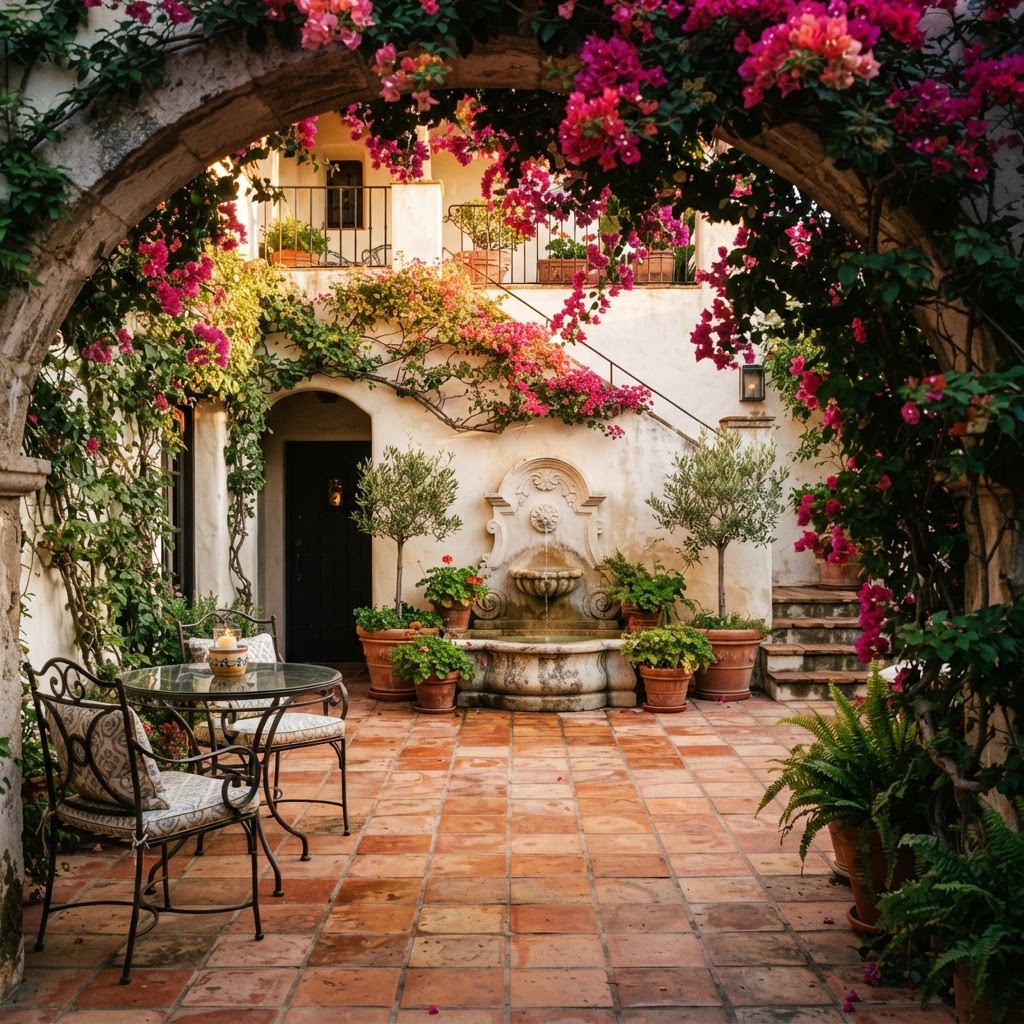
The spaces people love engage more than sight. Add fragrance with herbs and flowers near seating. Include sound with a small water feature or wind chimes. Vary textures underfoot — smooth stone, warm timber, soft gravel. These sensory layers are what make a space feel alive and inviting rather than staged and sterile.

The Test

You will know your outdoor space works when you choose it over the sofa. Not because you should, but because it is genuinely the more pleasant option. That shift does not happen by accident. It happens when comfort, purpose, shelter, and connection are all addressed. Design for how you actually live, and the space will earn its place in your daily routine.