
Vol. 1 · No. 42 · FreeOctober 23

THE COUNTIO CHRONICLE

The World's Growing Library of Actionable Knowledge
Home·Guide·Home Ownership
Beginner8 min read

July 2026 · Volume 1 · Issue 29

Building New Home Routines That Last

A new home is a blank canvas for habit. Here is how to use the moving transition to build routines that serve you for years — not just survive the first week.

Written By The Countio Editorial Team

Published July 18, 2026
routinesnew-homehabitssettlinglifestyle

A new home is more than a new address. It is a rare opportunity — a moment when your environment changes so completely that old habits lose their anchors and new ones can be formed without the friction of the familiar. The households that settle fastest are not the ones who unpack quickest. They are the ones who use the disruption of moving to build new routines intentionally, rather than letting routines form by accident. This is how to make your new home a foundation for habits that last.

Building New Home Routines That Last

The Habit Window

Moving creates what behavioural scientists call a habit discontinuity — a break in your environmental cues that disrupts automatic behaviours. In your old home, you reached for the kettle in the same spot every morning, sat in the same chair, opened the same cupboard. In your new home, those cues are gone. This window, which lasts roughly the first six to eight weeks, is when new habits are easiest to form and old habits are easiest to break. The households that use this window deliberately build routines that serve them for years.

A new home is a blank canvas for habit. Paint deliberately, or the old patterns will reassert themselves.

The Morning Routine

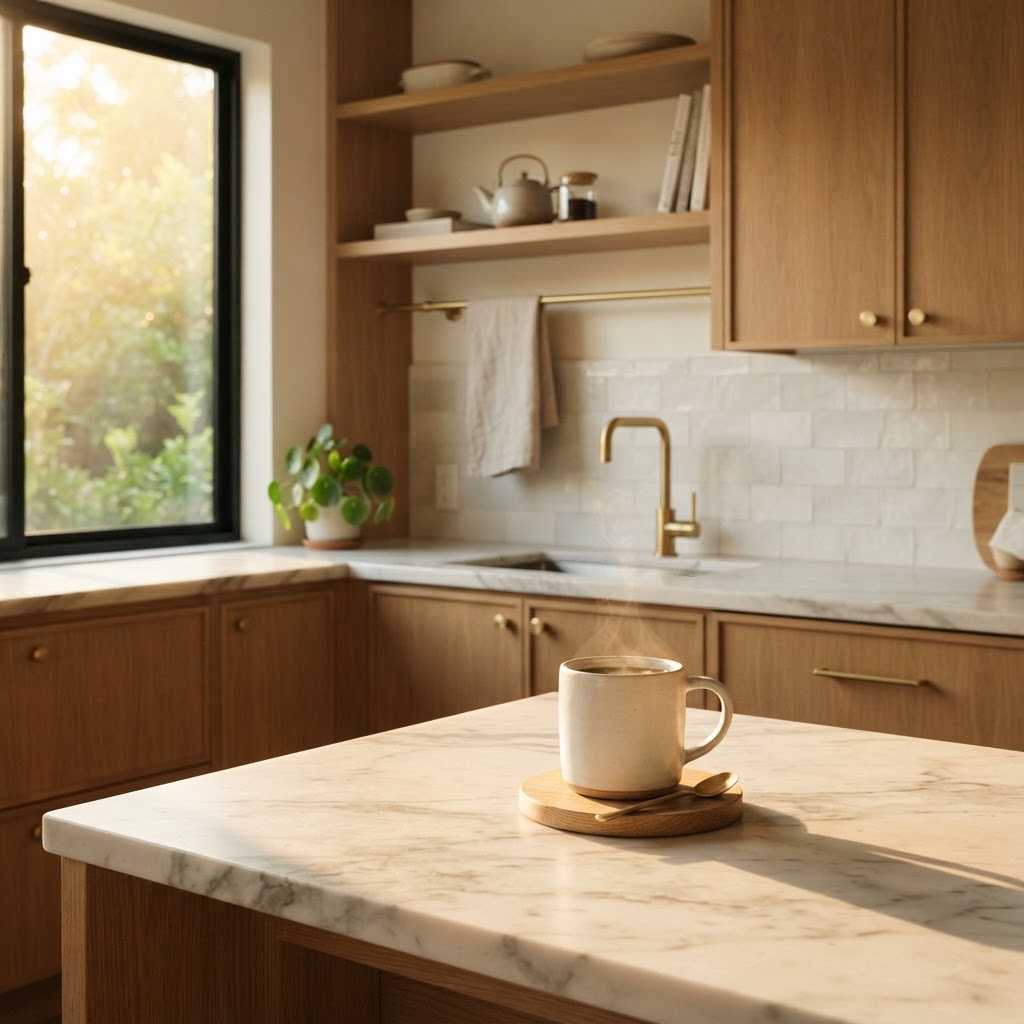
Your morning routine is the foundation of your day, and a new home is the ideal time to redesign it. Decide what you want your mornings to look like — not what they looked like in your old home, but what you want them to be. Do you want to wake earlier? Exercise before work? Eat breakfast at a table instead of on the couch? Design the routine, then set up your new home to support it. Place your alarm clock across the room. Set up the coffee machine the night before. Put your workout clothes by the bed. The environment shapes the behaviour, and in a new home, you control the environment.

The Evening Routine

The evening routine is the second pillar of daily life, and it is the one most often left to drift. In a new home, design your evening with intention. Where do you eat? Where do you relax? Where do you work, if you work from home? Separate these functions spatially if you can — a space for eating, a space for relaxing, a space for sleeping. This separation, which is hard to establish in an existing home, is natural in a new one because you are arranging everything from scratch. Use this opportunity.

The Weekly Reset

Every home needs a weekly reset — a designated time when you clean, organise, and prepare for the week ahead. In a new home, establish this routine immediately. Choose a day and time — Sunday afternoon works for many households — and use it to reset the kitchen, do laundry, tidy living spaces, and plan the week. When you establish this routine in the first weeks of a new home, it becomes as automatic as the morning routine. When you delay it, it becomes a chore you never quite adopt.

Routines formed in the first six weeks of a new home become permanent. Routines deferred rarely form at all.

The Maintenance Schedule

A home requires ongoing maintenance, and a new home is the time to establish the maintenance habit. Create a simple schedule: weekly tasks (cleaning, laundry, waste bins), monthly tasks (deep cleaning specific rooms, checking filters, testing alarms), and seasonal tasks (gutter clearing, boiler service, garden maintenance). When you establish this schedule in the first month and follow it, maintenance becomes a routine rather than a crisis. Households that skip this step often discover maintenance only when something breaks.

The Social Routine

A home is not just a private space — it is a social one. In a new home, establish your social routines deliberately. When do you invite people over? How often? What kind of hosting do you want to do — dinners, casual drinks, weekend brunches? Set up your home to support the social life you want, not just the functional life you need. A dining table that seats four invites different gatherings than a breakfast bar for two. Choose intentionally.

The Financial Routine

A new home often means new financial obligations — a mortgage, different utility costs, council tax, insurance. Establish a financial routine immediately. Set up a monthly budget review — sit down on the same day each month, review your household expenses, and adjust. Automate what you can — bills, savings, mortgage payments. Track your household spending separately from personal spending if you share the home. A financial routine established in the first month prevents the financial drift that catches many new homeowners off guard months later.

The Settling Timeline

Routines take time to establish. In the first two weeks, everything feels new and effortful. By the first month, the basic routines are becoming automatic. By the third month, the home feels familiar and the routines feel natural. By the sixth month, the home is truly yours — not just occupied, but inhabited. Do not rush this process. The goal is not to feel settled by week two. The goal is to build routines that, by month six, you no longer have to think about. That is what a home becomes: a place where the routines are so embedded that life flows without friction.

A home is not the walls. A home is the routines you build inside them. Build them well.

When Routines Drift

Even the best-established routines drift over time. The key is to recognise the drift early and correct it. If the weekly reset starts slipping, do not abandon it — reschedule it. If the morning routine falls apart after a holiday, restart it immediately rather than waiting for a natural moment. Routines are not fragile, but they are not permanent either. They require occasional attention, like a garden. The households that maintain good routines over years are not the ones who never drift — they are the ones who notice the drift and correct it quickly.

Continue Your Planning
Further Reading

The First Week in Your New Home

The truck has left. The boxes are everywhere. Here is how to turn a house of cardboard into a home in seven days — without losing your mind.

Your First Apartment Survival Guide

Your first apartment is a crash course in adulthood. Here is what you actually need, what you do not, and how to make a small space feel like home.

Setting Up Utilities the Right Way

Water, gas, electricity, internet — the invisible infrastructure that makes a house habitable. Here is how to set it up without gaps, delays, or cold showers.

The Complete Moving House Guide

Every stage of a house move, from the first decision to the last unpacked box — a comprehensive roadmap for movers who refuse to let chaos win.

Creating a Weekly Home Reset Routine

Forty-five minutes a week that prevent weekend-consuming projects and keep your home quietly in order.

The Beginner's Guide to Home Maintenance

If you have just taken responsibility for a home, start here. The essential toolkit, the core habits, and the annual milestones that keep everything running.

Preparing Your Garden for Every Season

A year-round framework for keeping your garden healthy through spring awakening, summer growth, autumn wind-down, and winter dormancy — without reactive scrambling.

Creating an Outdoor Space You'll Actually Use

Why most outdoor spaces go unused — and how to design one that draws you outside through comfort, purpose, and a clear connection to indoor life.

Safe DIY Outdoor Projects for Beginners

A grounded introduction to outdoor DIY — choosing the right first project, understanding tools and safety, and building skills without injury or expensive mistakes.

Starting a Gardening Routine That Lasts

How to build a gardening practice that survives enthusiasm, bad weather, and busy weeks — by starting small, observing closely, and working with nature's pace.

Creating a Home That Reduces Stress

Your home is either contributing to your stress or helping you recover from it. Here is how to build a space that actively calms your nervous system — through light, sound, subtraction, and the five zones every restful home needs.

Small Habits That Make Home Life Easier

Motivation is unreliable. Habits are not. Here are the small, repeatable actions that quietly transform a chaotic home into one that runs itself — from the two-minute reset to the surface rule.

Creating Healthy Morning Spaces

The first hour of your day is shaped by the room you wake up in. Here is how to design morning spaces — from bedroom to kitchen — that set a calm, intentional tone for everything that follows.

Making Your Home More Comfortable

Comfort is not a purchase. It is a layered practice — sensory, social, personal, and seasonal. Here is how to make your home genuinely comfortable, not just visually appealing.

Creating Weekend Reset Rituals

Weekends drift when they have no shape. Here is how to build weekend reset rituals — the Friday close, the Saturday reset, and the Sunday slowdown — that restore your home and your energy for the week ahead.

Why Great Homes Run on Systems, Not Motivation

Motivation is a feeling. Systems are infrastructure. The homes that feel effortless do not rely on anyone feeling inspired to maintain them — they rely on systems that run whether you are motivated or not.