
Vol. 1 · No. 42 · FreeOctober 23

THE COUNTIO CHRONICLE

The World's Growing Library of Actionable Knowledge
Home·Editorial·Home Ownership
Beginner7 min read

July 2026 · Volume 1 · Issue 29

Creating a Home That Reduces Stress

Your home is either contributing to your stress or helping you recover from it. Here is how to build a space that actively calms your nervous system — through light, sound, subtraction, and the five zones every restful home needs.

Published July 18, 2026
stress reductioncalm homewellbeingsensory designminimalismhome environmentmental healthrecovery space

Your home is either contributing to your stress or helping you recover from it. There is no neutral position. Every surface, every light source, every pile of unsorted mail sends a signal to your nervous system — and most of us are living in environments that are quietly, continuously shouting.

Creating a Home That Reduces Stress

The Architecture of Calm

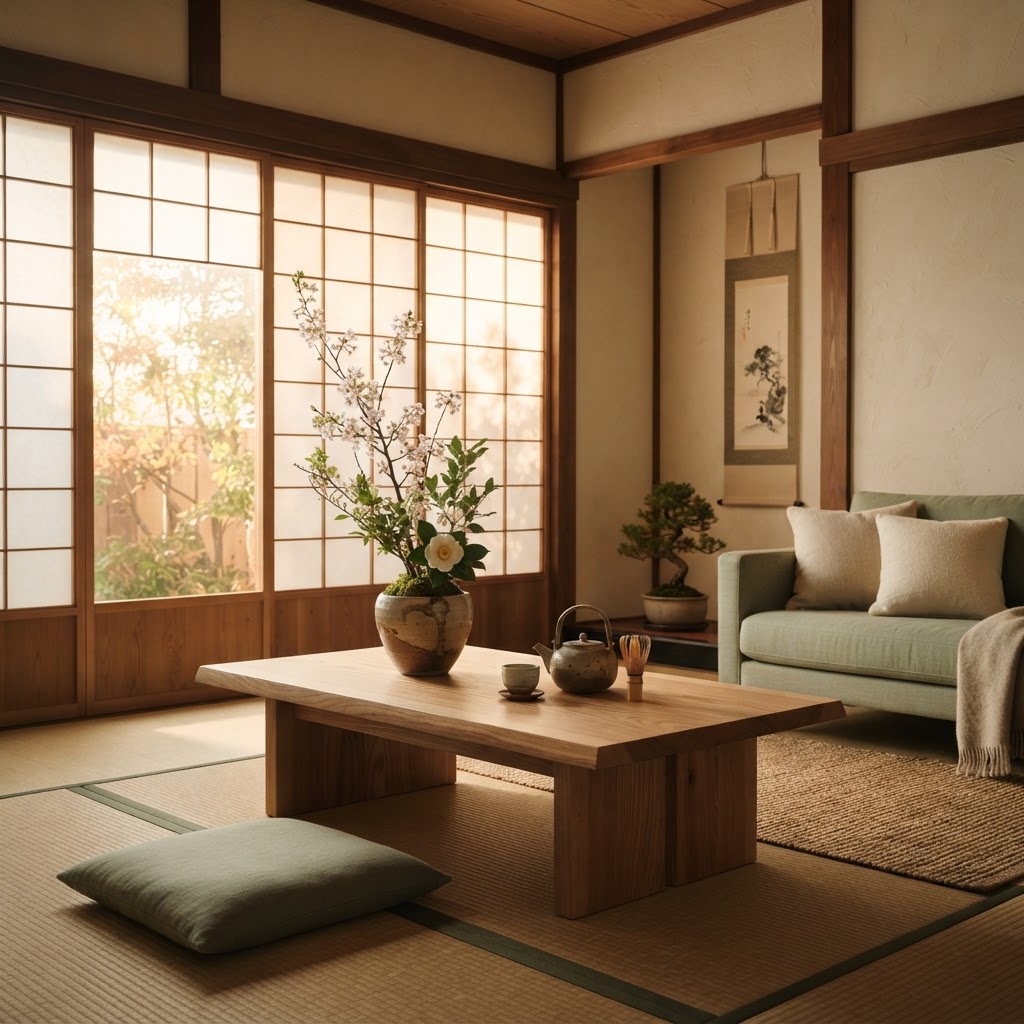
Stress reduction is not a feature you add to a home. It is the cumulative result of hundreds of small decisions about what stays, what goes, where things live, and how spaces feel when you enter them. The most relaxed homes are not the largest or the most expensively furnished. They are the ones where every element has been chosen with a kind of quiet intention.

The goal is not to create a showroom. It is to create a recovery space — a place where your nervous system can downshift from the vigilance that modern life demands.

Sensory Design: What Your Home Tells Your Nervous System

Your brain processes environmental information long before you consciously notice it. Cluttered surfaces raise cortisol. Harsh overhead lighting triggers alertness. Piles of unfinished tasks — the laundry, the stack of mail, the project you abandoned — create a low-grade cognitive hum that never fully stops.

The question is not whether your home looks calm. The question is whether your body feels calm in it.

This is why two people can live in the same space and experience it completely differently. The visual environment is only part of the story. Sound, temperature, air quality, and even smell shape your physiological response to a room.

The Five Stress-Reducing Zones Every Home Needs

Not every room needs to be serene. But every home benefits from dedicated zones that serve specific calming functions:

  • The transition zone. An entryway that allows you to shed the outside world — keys down, coat hung, shoes off. This is where decompression begins.
  • The quiet corner. A single chair, a lamp, something to read. Not a room — a corner. A place where no task lives.
  • The reset room. One space — often the bedroom — that is kept deliberately minimal. No work, no screens, no clutter. Just rest.
  • The gathering space. A table where people sit together. The act of shared meals is one of the most reliable stress reducers we have.
  • The outdoor link. A window, a balcony, a doorstep. Any connection to natural light and air breaks the indoor loop that amplifies stress.

Light, Sound, and Air: The Invisible Architecture

Most stress-reduction advice focuses on what you can see. But the most powerful environmental factors are the ones you cannot:

Light: Replace harsh overheads with layered, warm-toned sources. Use task lighting where you work and ambient lighting where you rest. The color temperature of your bulbs matters more than the fixtures they sit in.

Sound: Hard surfaces amplify noise. Rugs, curtains, upholstered furniture, and bookshelves absorb it. If your home echoes, it is also amplifying your stress.

Air: Stale air creates sluggishness. Open windows daily, even briefly. Add plants if you can keep them alive — the act of caring for something living is itself calming.

The Discipline of Subtraction

The most stressed homes are not the ones with too little — they are the ones with too much. Every object you own demands a small amount of cognitive energy: to see, to ignore, to maintain, to feel guilty about not using. The cumulative weight of hundreds of unused objects is a constant, invisible tax on your attention.

This is why subtraction is the most powerful stress-reduction tool in the home. Not buying a new lamp — removing the three broken ones. Not adding storage — removing what you were storing. Not reorganizing — releasing.

A calm home is not built. It is revealed — one removed item at a time.

Your Home as a Recovery Space

You cannot control the stress that the world delivers to your door. But you can shape what happens once you cross the threshold. A home that reduces stress is not a luxury. It is the infrastructure that makes everything else — work, relationships, health, ambition — sustainable.

Start with one zone. Make it genuinely calm. Then let that standard spread, room by room, until your home is no longer part of the problem — but part of your recovery.

Continue Your Planning