
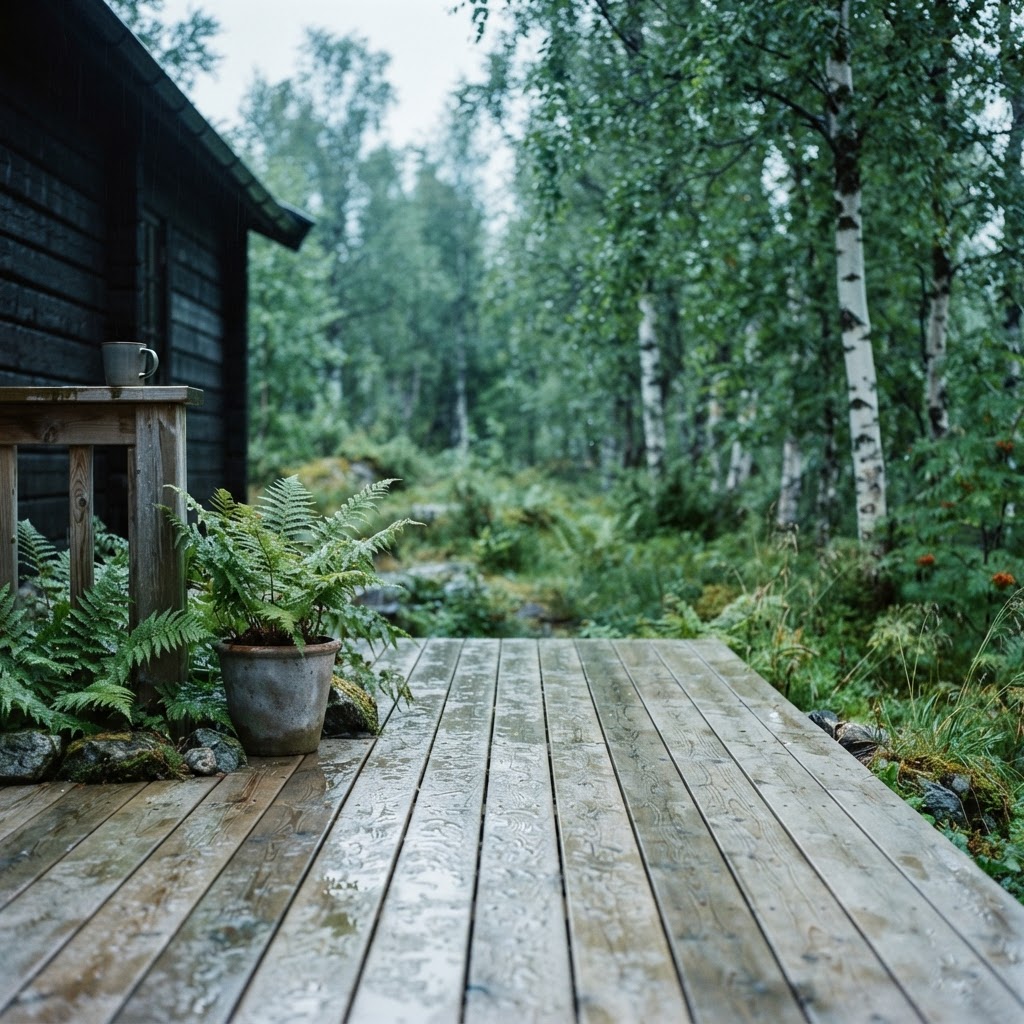
Spring: Clean and Inspect
After winter, your deck or patio needs a thorough inspection before you start using it again. Sweep away debris, leaves, and dirt that accumulated over the colder months — these trap moisture against the surface and accelerate decay. Check for loose boards, protruding nails, cracked pavers, and any movement in the structure.
For timber decks, probe soft spots with a screwdriver. Any wood that gives easily may have rot and needs replacing. Tighten loose fasteners, replace rusted screws, and check that railings are secure — a wobbly railing is a safety issue, not a cosmetic one. Give the surface a proper clean with a deck cleaner or mild detergent and a stiff brush. Avoid pressure washers on high settings; they can damage wood fibres and force water into joints.
A deck inspection takes twenty minutes. Replacing a rotted joist takes a weekend. Choose the twenty minutes.
Summer: Protect and Enjoy
Summer is when your patio and deck get the most use, and also when they take the most abuse. Sun, foot traffic, spilled food, and rain all take their toll. Sweep regularly to prevent dirt buildup, and clean spills promptly — especially oily food and red wine, which stain porous surfaces permanently.
If you have not sealed or stained your timber deck in the last two years, summer is the time. Clean the surface thoroughly, let it dry completely, then apply a quality sealer or stain. This is the single most important thing you can do to extend a timber deck's life. The sealer repels water, blocks UV damage, and prevents the cracking and splitting that leads to splinters and rot.
For stone or concrete patios, check for weed growth in joints and remove it before roots widen the gaps. Re-sand joints if needed to prevent pavers from shifting.
Autumn: Prepare for Rest
As the outdoor season winds down, autumn is your preparation window. Clear all furniture, planters, and debris from the surface — anything left in place over winter traps moisture and stains the surface beneath it. Move containers to a sheltered area or raise them on feet so they do not sit in standing water.