Practicing Gratitude Together
Gratitude is not a feeling. It is a practice — and when practiced together, it becomes a shared lens that transforms how a family sees its life.

Strengthening Relationships Across Distance
Distance does not end relationships. Neglect does. The relationship across distance is not the relationship across proximity, but it can be just as deep, if it is maintained.

Growing Through Life's Transitions
Life transitions are not just changes to navigate. They are opportunities to grow — the moments when the person you were becomes the person you are becoming.

The Little Things That Matter Most
The big moments are remembered. The little things are felt — every day, in the accumulation, in the texture of daily life that defines what a relationship actually is.
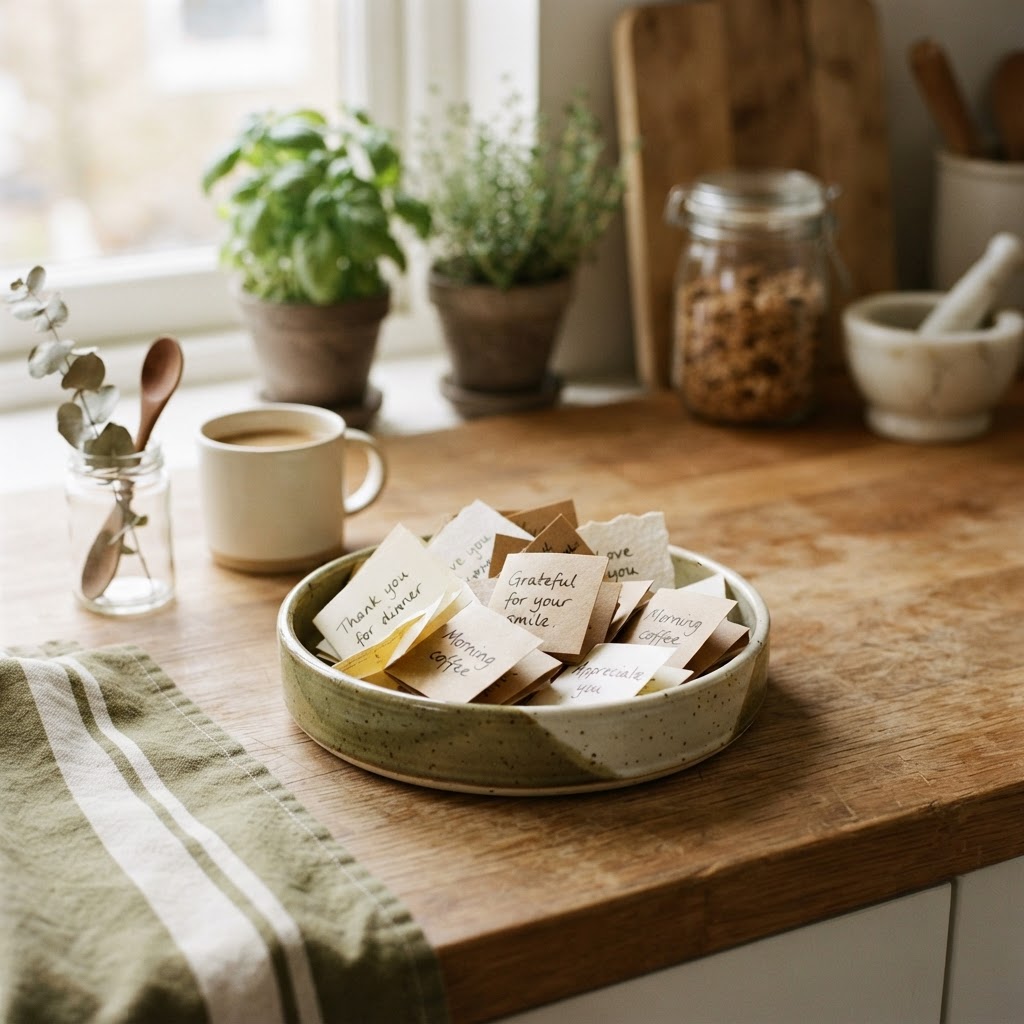
Relationships That Grow Stronger Over Time
The strongest relationships are not the ones that start strong. They are the ones that are built — through consistent investment, through difficulty, and through the choice to keep growing together.

Better Conversations Every Day
Good conversation is not a talent. It is a practice — the daily, deliberate effort to exchange ideas, share experiences, and connect through words.

Balancing Work and Family
Work-family balance is not a problem to be solved. It is a tension to be managed — the ongoing negotiation between two important, competing demands.
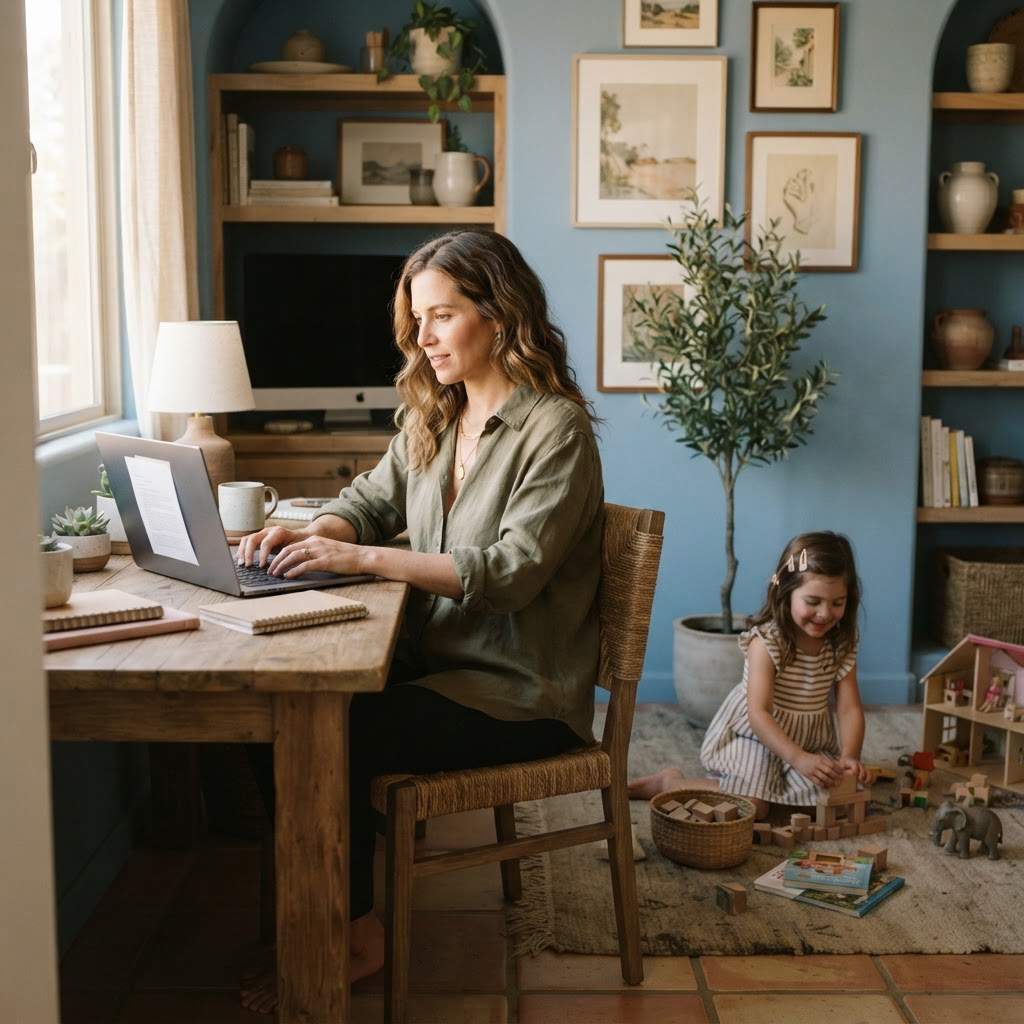
Spending Quality Time Intentionally
Quality time is not what is left over. It is what is chosen — the deliberate, present engagement with the people who matter, in the time that is available.
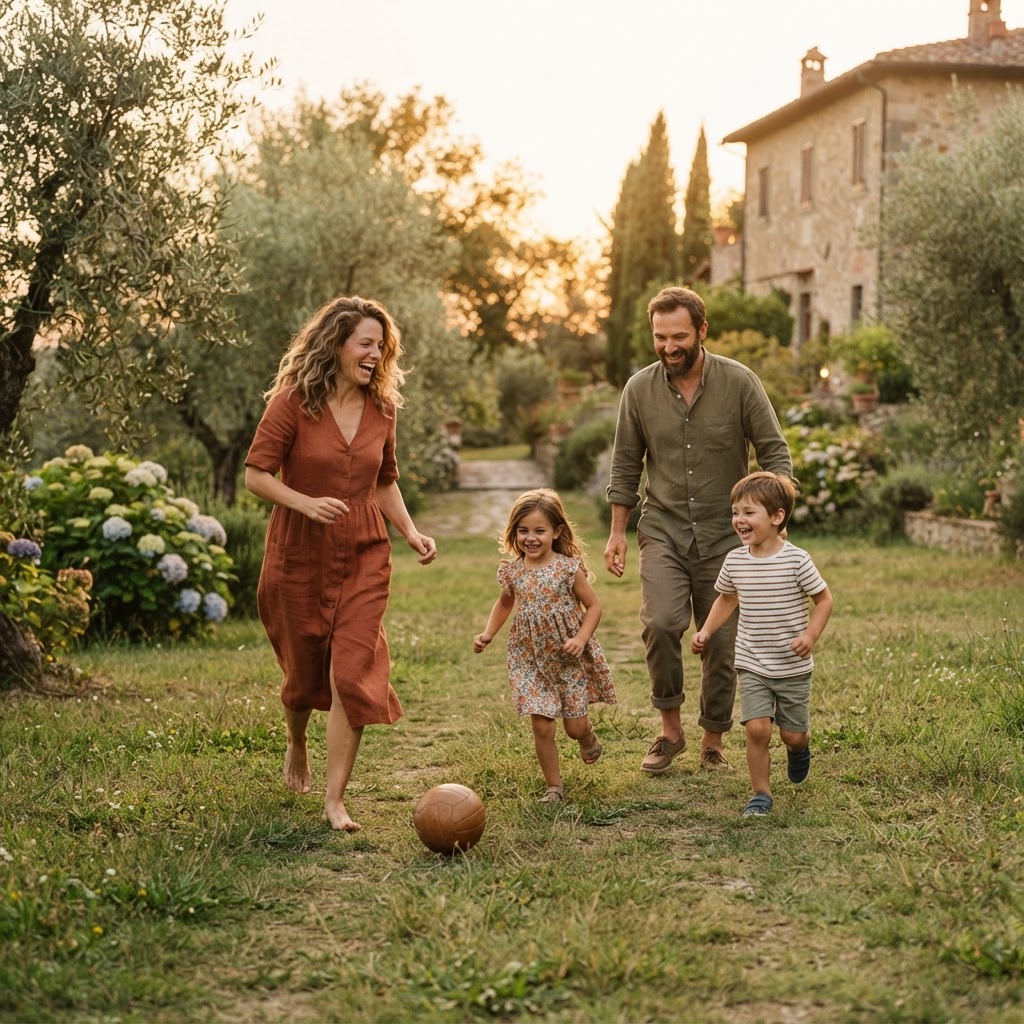
Reconnecting After Busy Seasons
Busy seasons strain relationships, not because the love fades but because the connection does. The reconnection is not automatic. It is a practice that must be chosen.

Supporting Loved Ones Through Difficult Times
Supporting someone through difficulty is not about having the right words. It is about being the right presence — the person who is there, without trying to fix what cannot be fixed.

Preparing for Major Life Changes
Major life changes cannot be prevented. But they can be prepared for — not by predicting the specific change, but by building the foundation that any change requires.
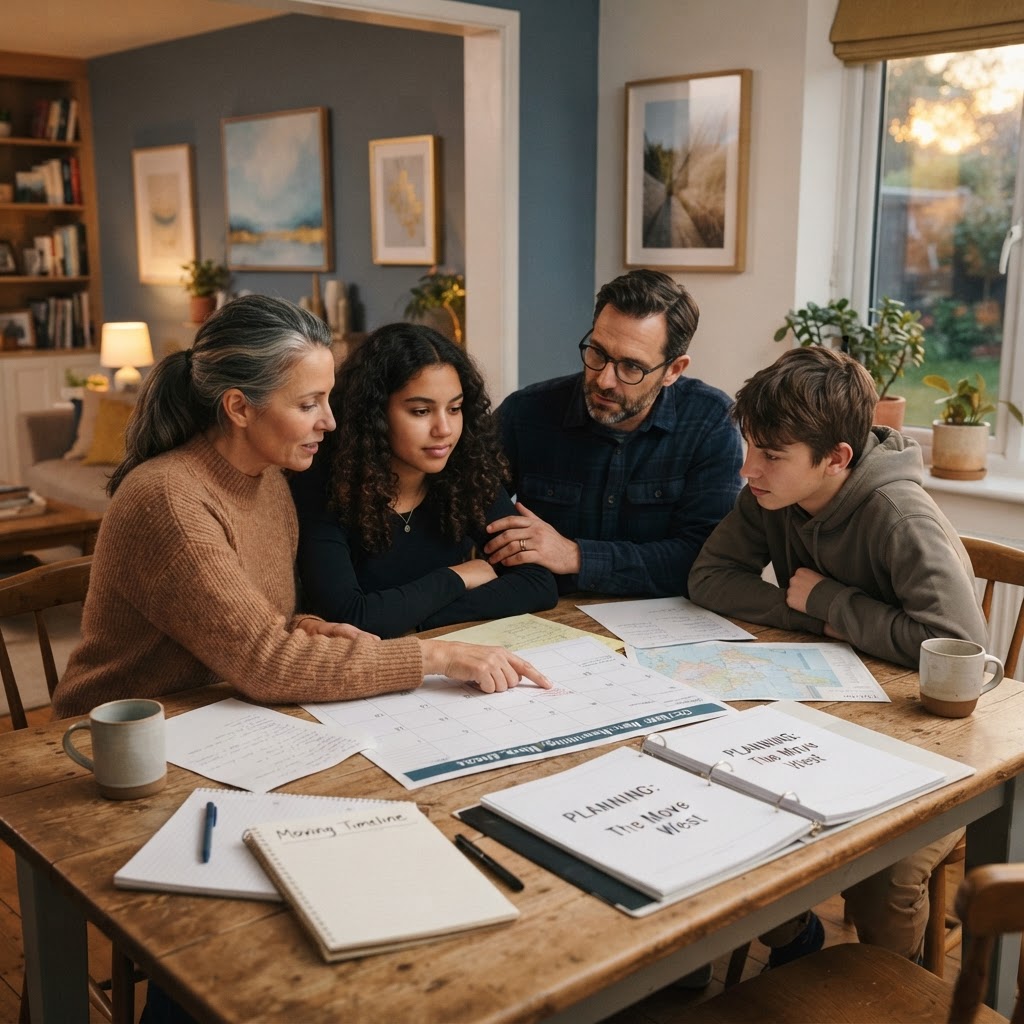
Creating Comfortable Shared Spaces
A shared space is not just a room. It is an environment that shapes how the people within it interact, relax, and connect — every hour of every day.

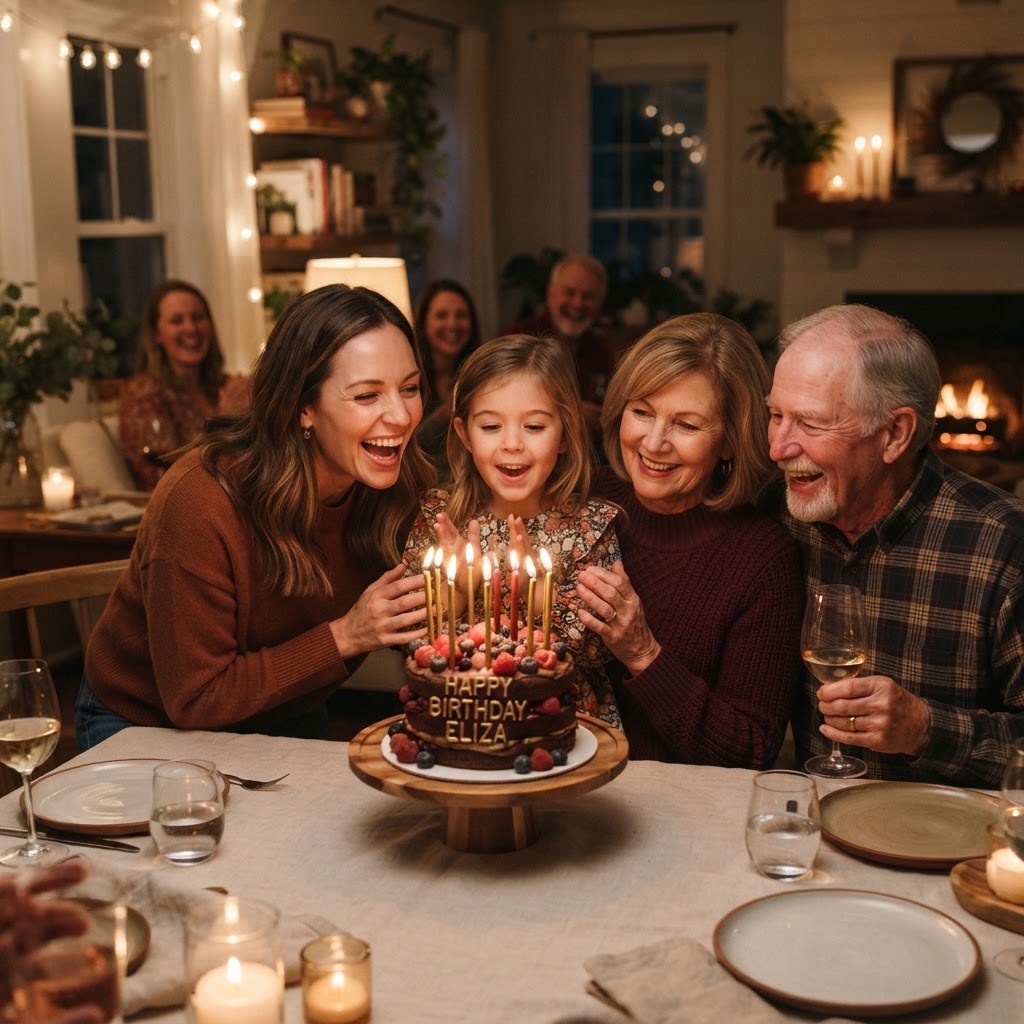
Celebrating Milestones Meaningfully
A milestone is not just a date. It is a marker — a moment that says, this matters, this changed, this is worth remembering. The celebration is how the family marks it.
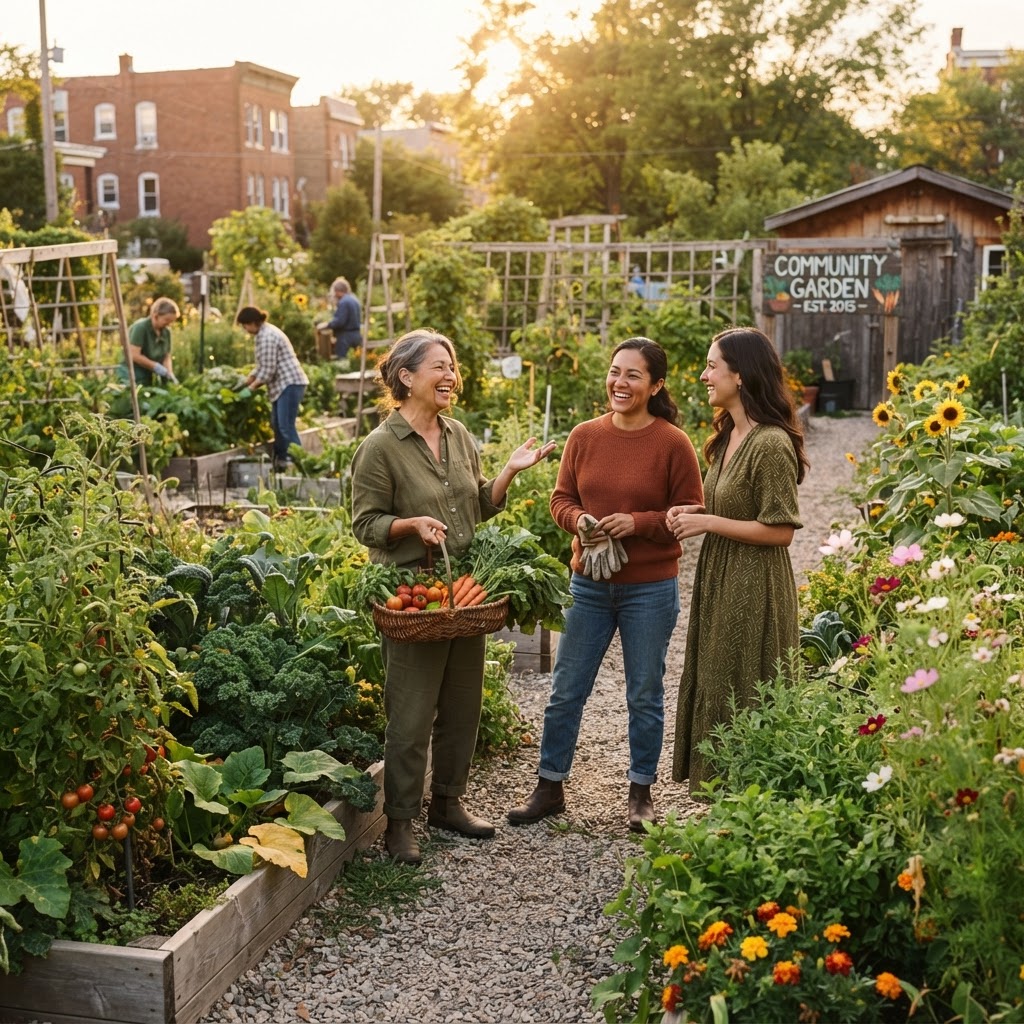
Building Strong Community Connections
Community is not something you find. It is something you build — through the deliberate practice of showing up, contributing, and connecting with the people around you.
Creating Lasting Memories
Memories are not what happen to you. They are what you notice, what you repeat, and what you choose to preserve. The family that creates memories does so intentionally.

Organizing Family Finances Together
Family finances are not one person's responsibility. They are a shared endeavor, and the transparency of managing them together strengthens both the finances and the relationship.

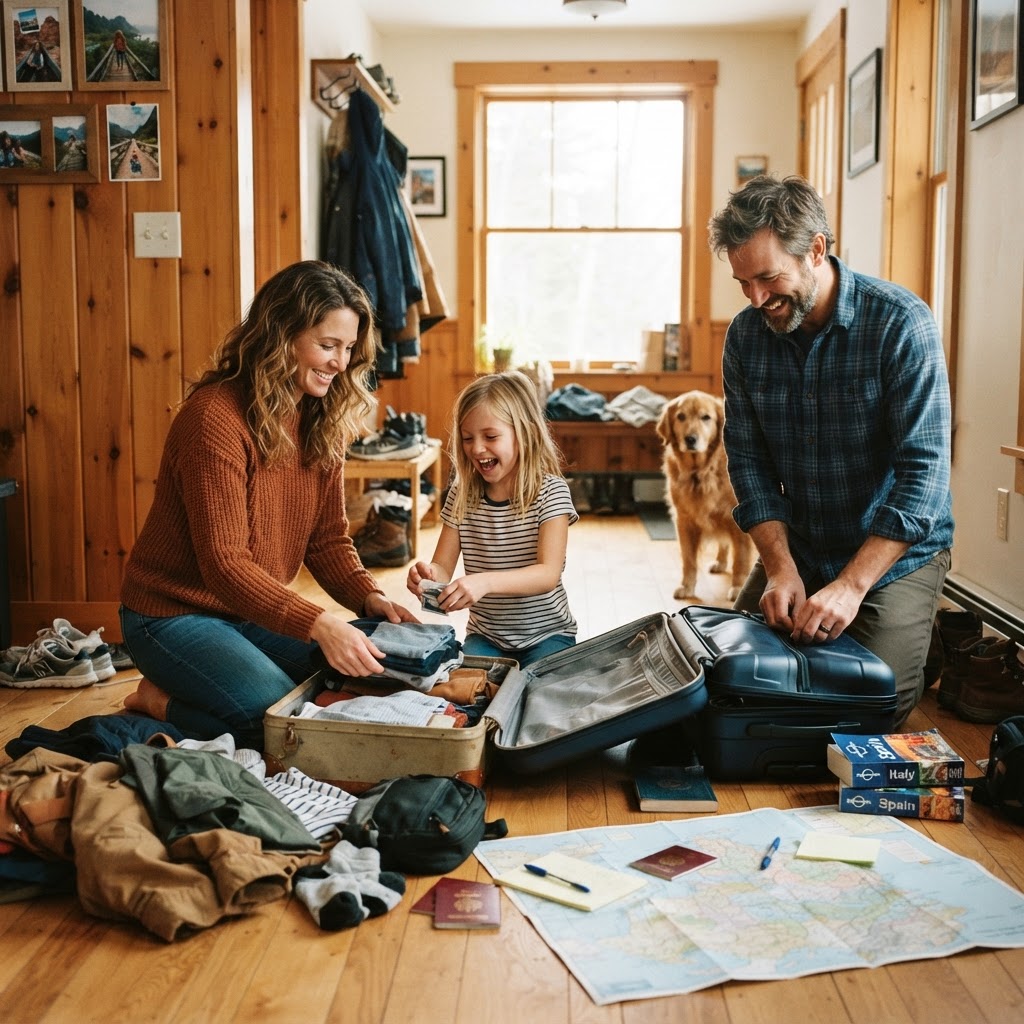
Planning Family Vacations Without the Stress
A family vacation should be a source of joy, not stress. The stress comes not from the destination but from the planning — and the planning can be managed.
Managing Household Responsibilities
A household runs on the tasks that keep it functioning. The question is not whether they get done. It is how — fairly, sustainably, and without resentment.

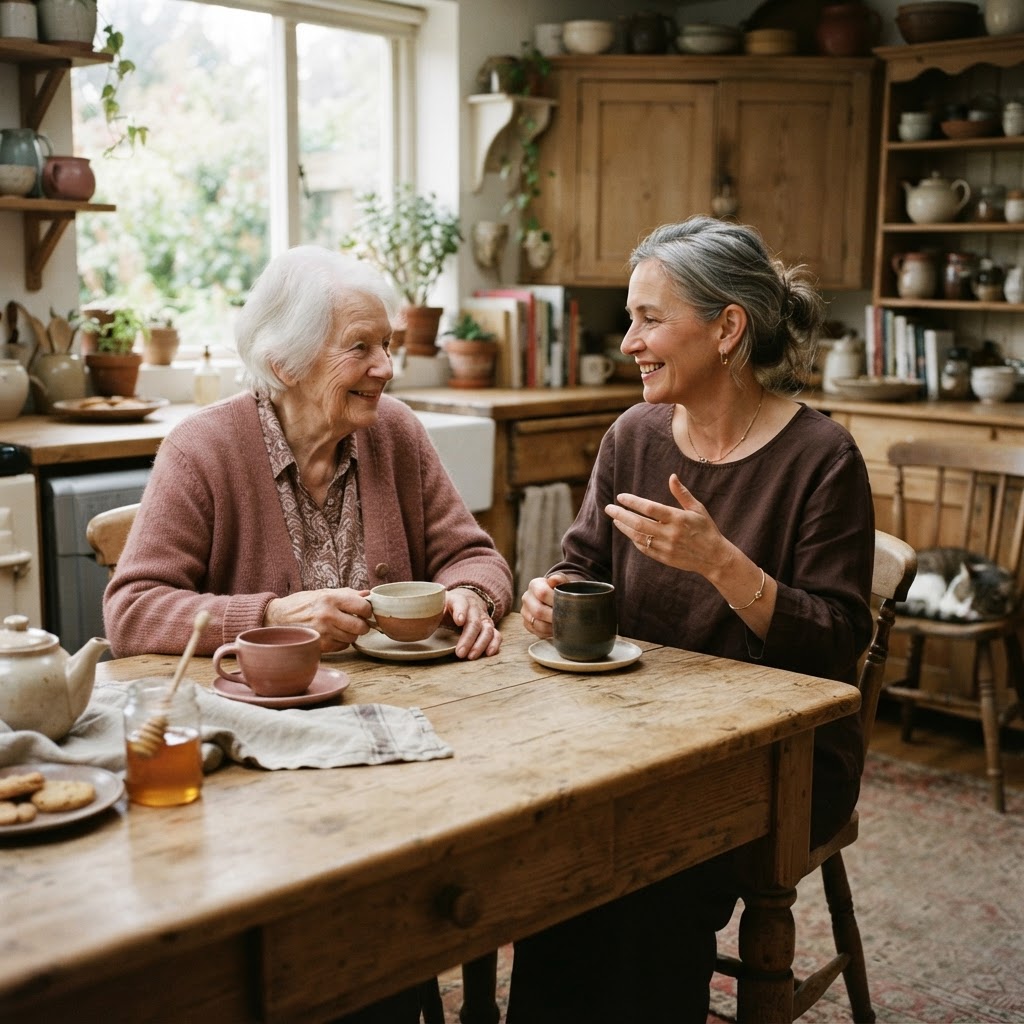
Supporting Aging Parents
Supporting aging parents is not a burden to be endured. It is a relationship to be navigated — with love, respect, and the honesty that the changing circumstances require.
Welcoming New Family Members
Welcoming a new family member — by birth, adoption, marriage, or partnership — is not just an event. It is a transformation of the family itself.

Creating Healthy Screen Time Habits
Screen time is not the enemy. The absence of boundaries around it is. The goal is not elimination. It is the intentional management of a powerful technology.

Preparing Children for Independence
The goal of parenting is not to raise a child. It is to raise an adult. Every practice, every lesson, every boundary is ultimately in service of the person the child is becoming.

Supporting Learning at Home
Learning is not what happens at school. It is what happens everywhere. The home is the most important learning environment a child will ever have.
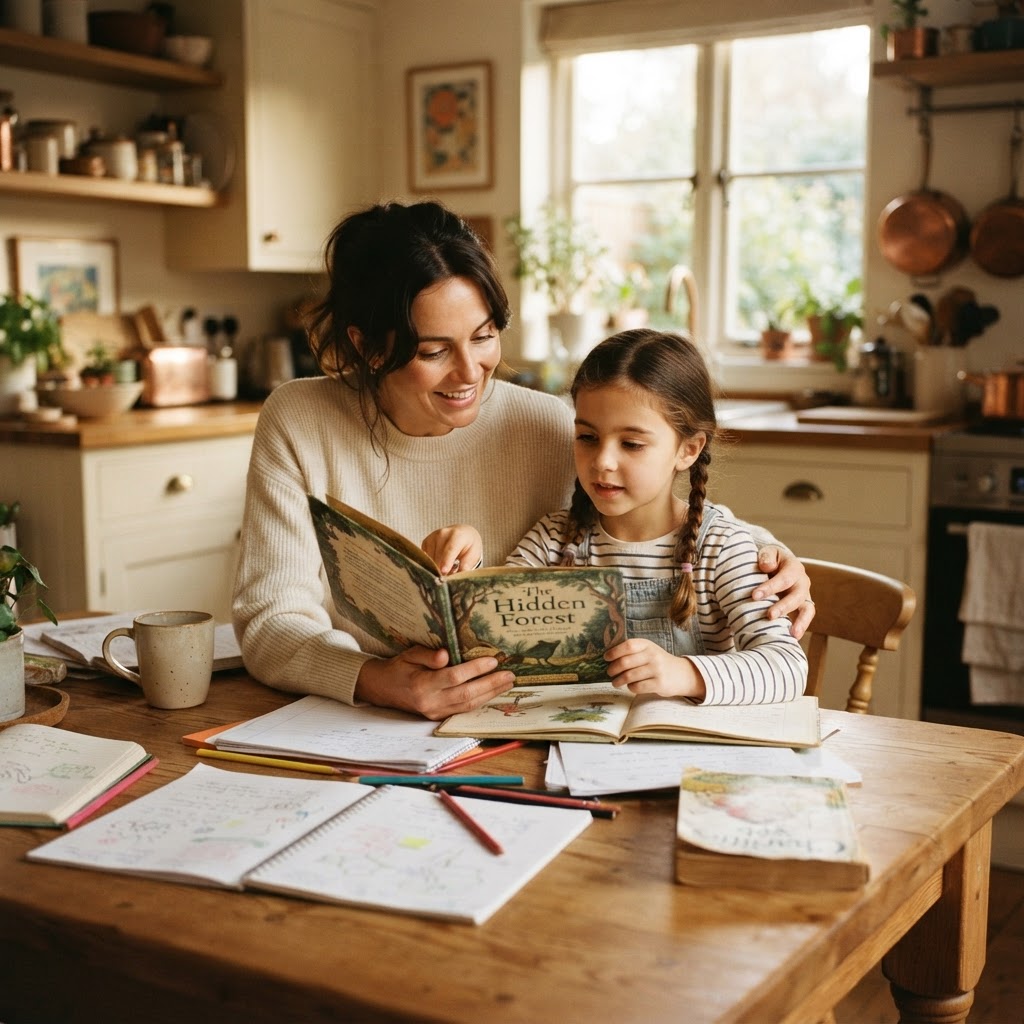
Building Emotional Intelligence Together
Emotional intelligence is not a soft skill. It is the foundation on which all other skills rest. And it is not taught. It is modeled, practiced, and built together.
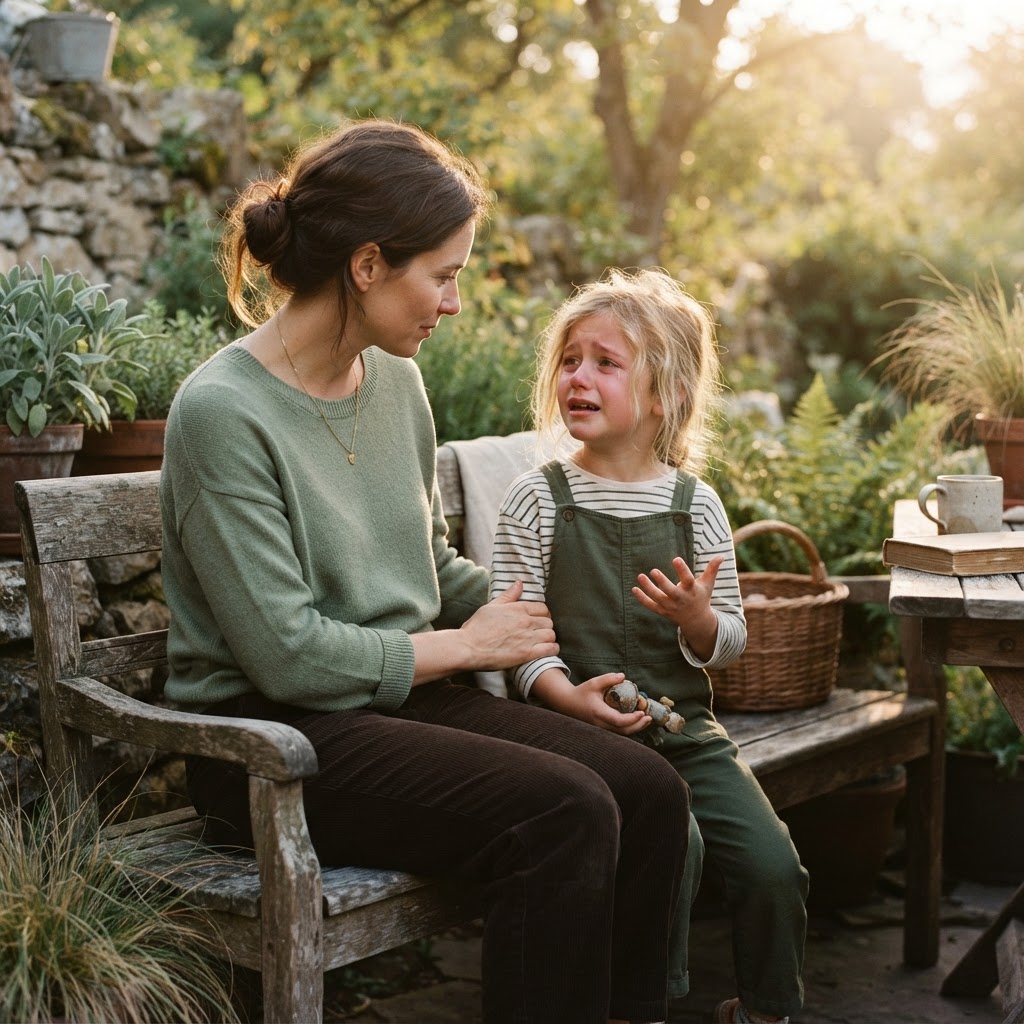
Raising Resilient Kids
Resilience is not the absence of struggle. It is the ability to struggle, fail, and recover. The goal is not to protect children from difficulty. It is to prepare them for it.

Parenting With Consistency
Consistency is not about rigidity. It is about reliability — the predictability that gives children the security from which they can explore, learn, and grow.
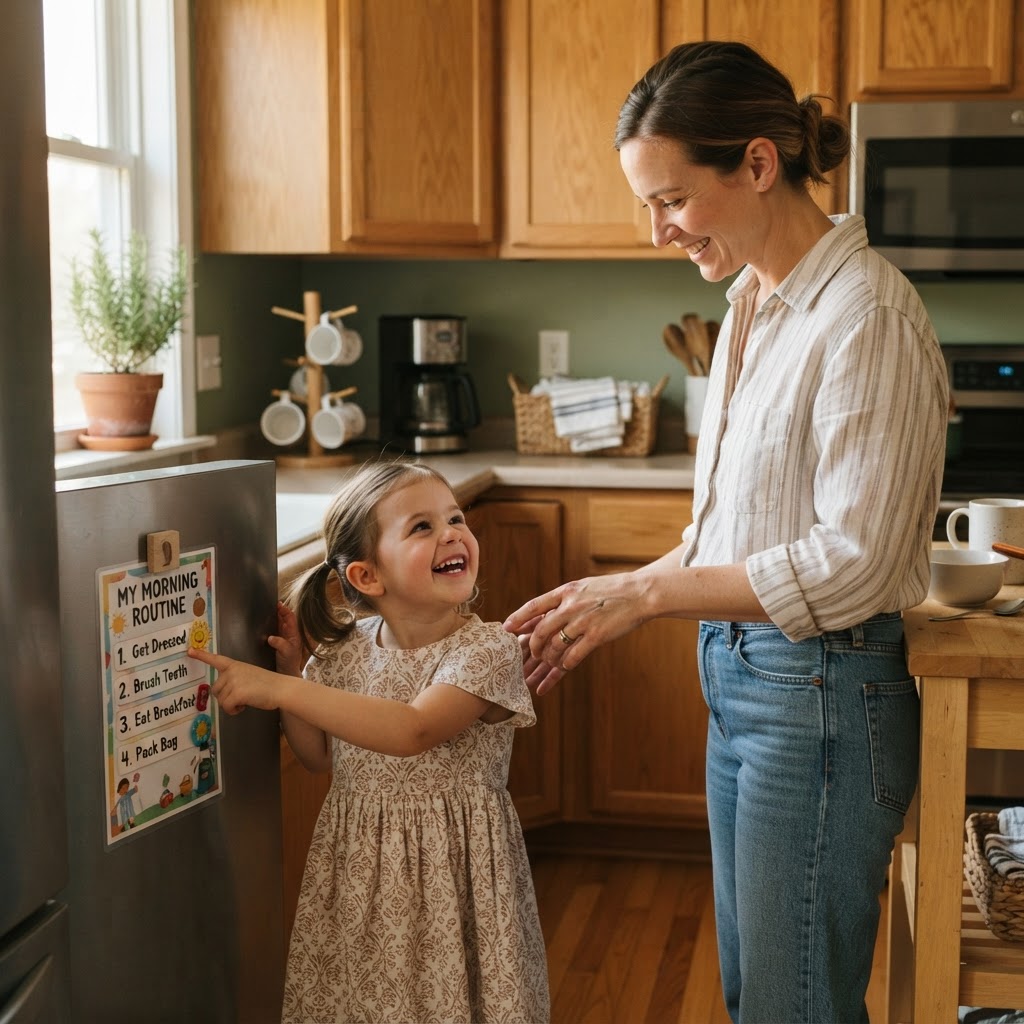
Creating Positive Daily Routines for Children
A child's daily routine is not a schedule. It is a framework of security — the predictable structure that makes each day manageable, meaningful, and safe.

Helping Children Build Confidence
Confidence is not given to a child. It is built by the child — through the experiences of trying, struggling, and succeeding, with the support that allows the struggle without preventing it.
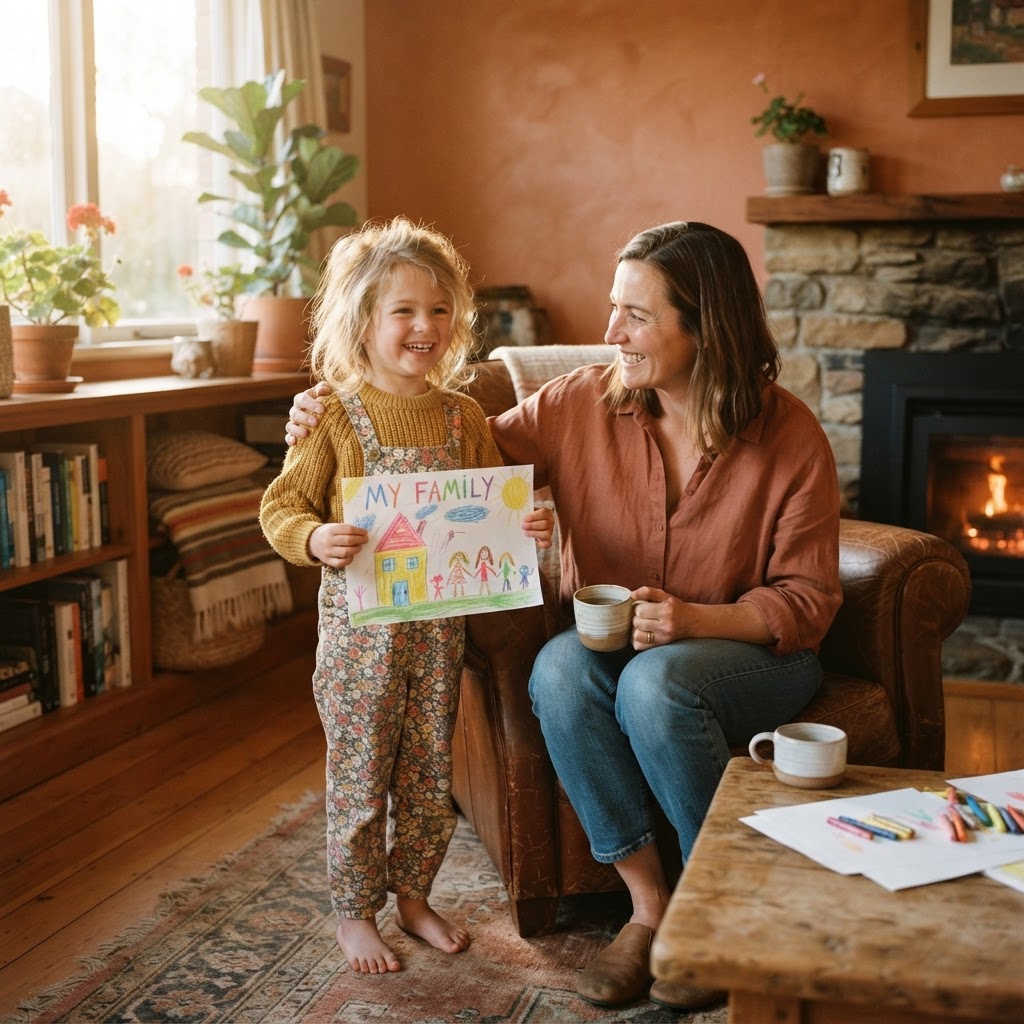
Encouraging Responsibility at Every Age
Responsibility is not taught through lectures. It is developed through practice — the gradual, age-appropriate transfer of real responsibility from parent to child.
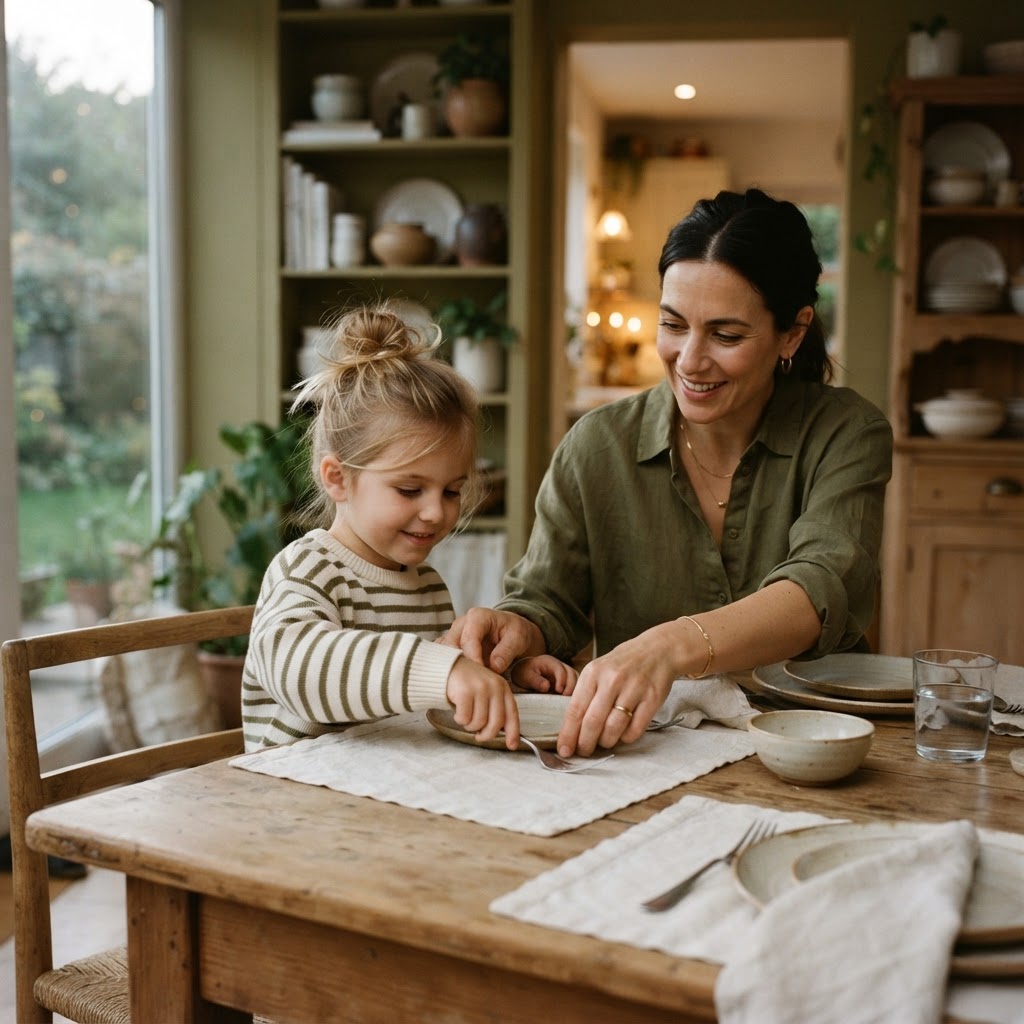
Teaching Problem Solving Naturally
Problem solving is not a subject to be taught. It is a skill to be practiced — developed through the everyday encounters with challenges that the child is allowed to face, with guidance but without rescue.
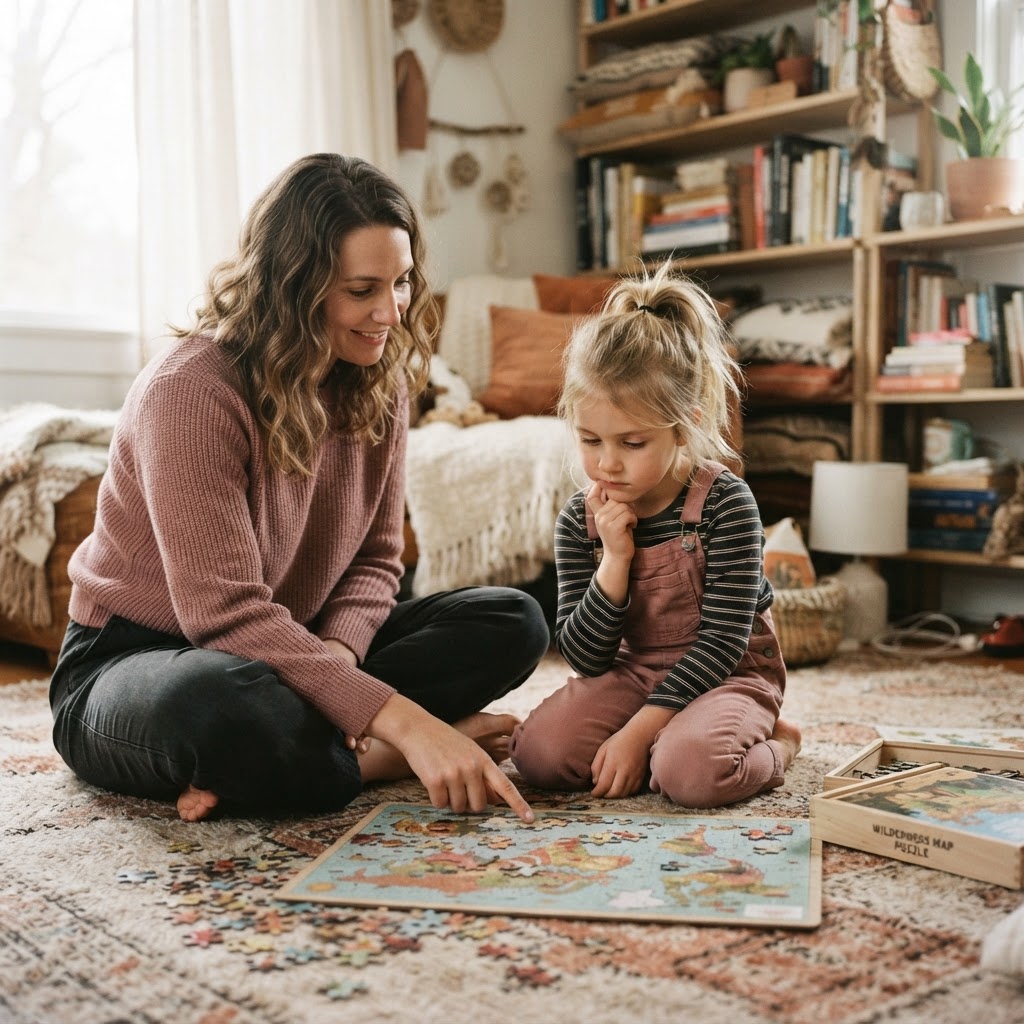
Growing Together Through Change
Change is the only constant in relationships. The skill is not avoiding it. It is navigating it together — so the change strengthens rather than separates.

Supporting Each Other During Stress
Stress is not a personal problem. It is a relationship event. How you support each other through it determines whether the stress strengthens or strains the bond.

Maintaining Strong Friendships
Friendships do not fade because of distance or time. They fade because of neglect. The maintenance is not optional. It is the friendship.

Building New Relationships With Confidence
Building new relationships is not a talent you either have or lack. It is a skill — the practice of showing up, being genuine, and allowing connection to develop at its own pace.

Healthy Boundaries That Strengthen Relationships
Boundaries do not push people away. They create the structure within which genuine closeness is possible. Without them, relationships do not deepen. They dissolve.

Better Communication Starts With Listening
The most important communication skill is not speaking. It is listening — the willingness to truly hear what the other person is saying, before the response.

Resolving Conflict Respectfully
Conflict is not a sign of a failing relationship. It is a feature of every relationship. The skill is not avoiding it. It is resolving it without damage.

Strengthening Trust in Everyday Life
Trust is not built through grand gestures. It is built through small, consistent actions — the daily choices that demonstrate reliability, honesty, and care.

Showing Appreciation More Often
Appreciation is not a feeling. It is a practice — the deliberate, consistent expression of the value you see in the people around you, before it goes unseen.
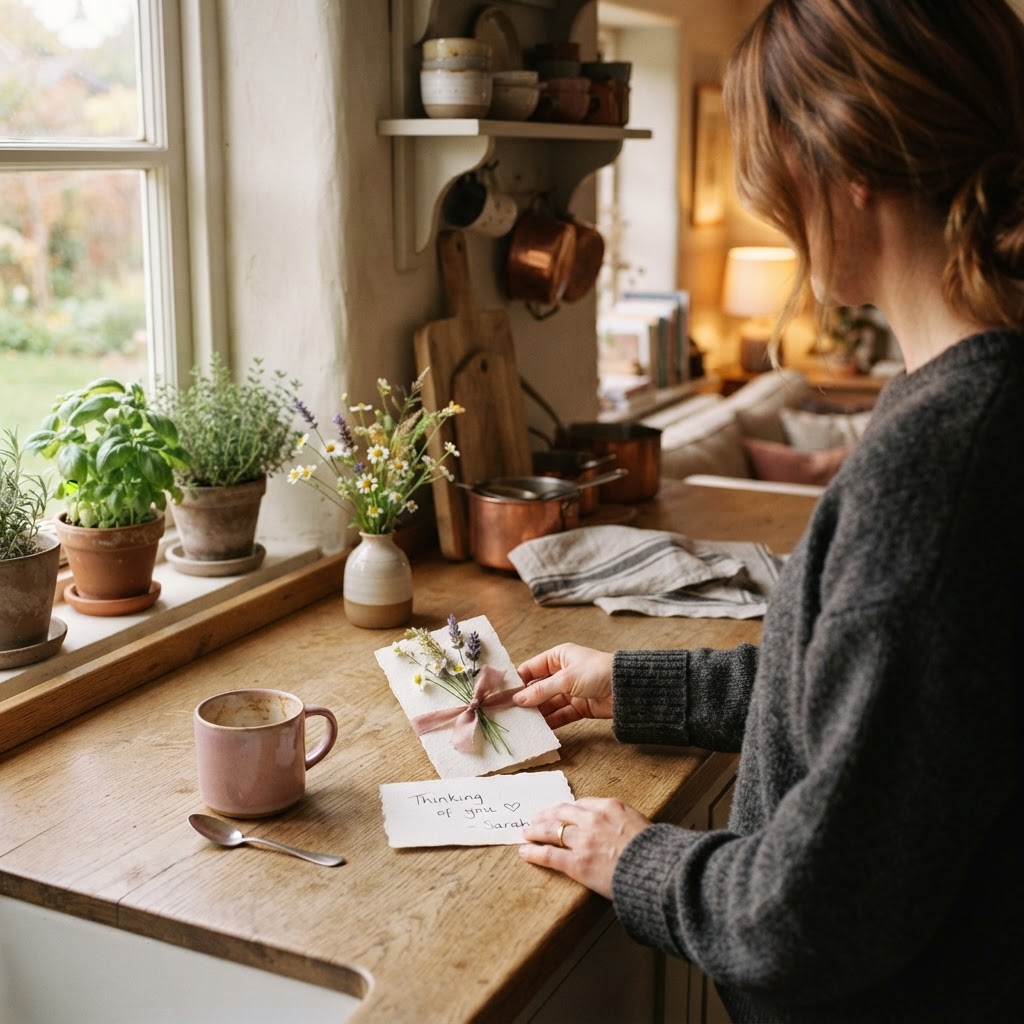
Building Healthy Relationships Over Time
A relationship is not built once. It is built continuously — through the daily choices, practices, and investments that, over years, create something that endures.

Sharing Responsibilities Fairly
Fairness in sharing responsibilities is not about counting tasks. It is about recognizing the invisible work, the mental load, and the different capacities that each person brings.

Supporting Children Through Everyday Life
Supporting a child is not about managing their life for them. It is about building the foundation — emotional, practical, relational — from which they manage it themselves.
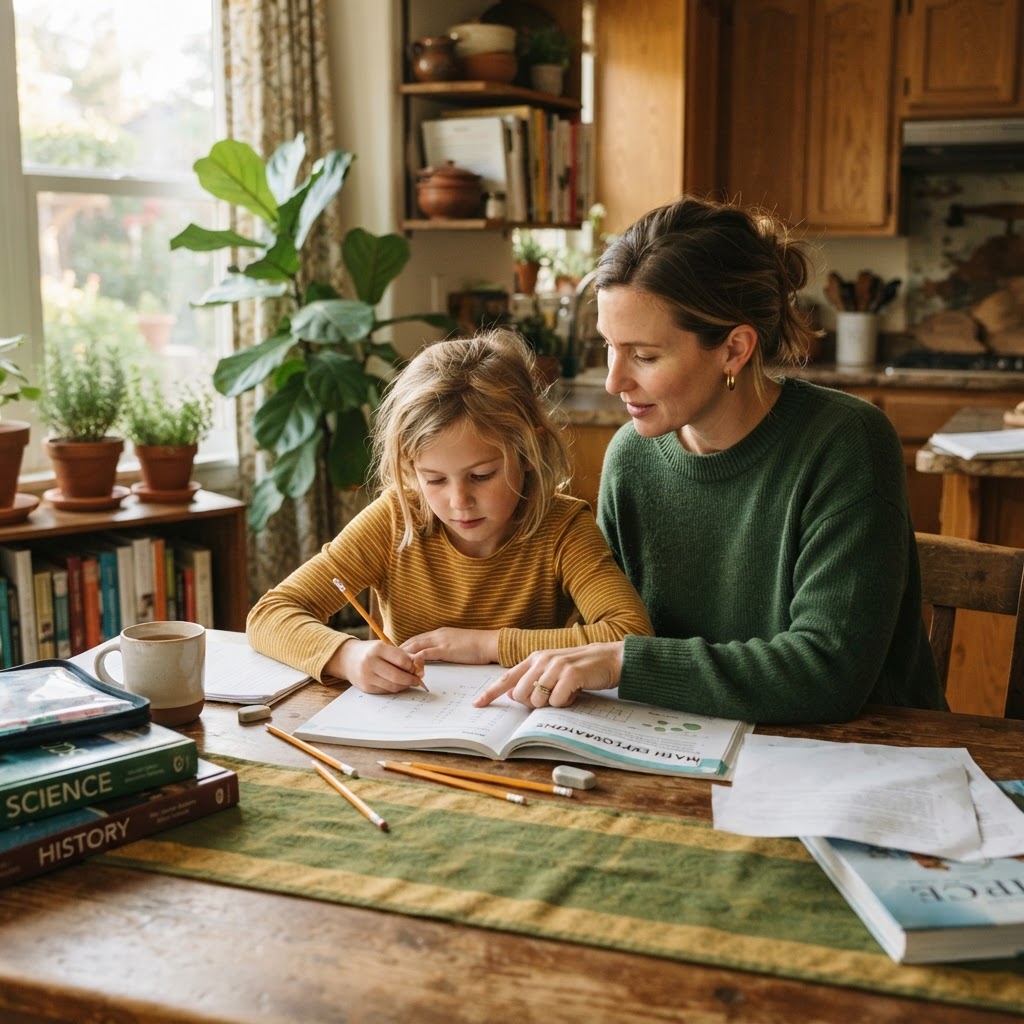
Creating Meaningful Family Traditions
Traditions are the rituals that give a family its identity. They are not about the event. They are about the meaning — the repeated practices that say, this is who we are.
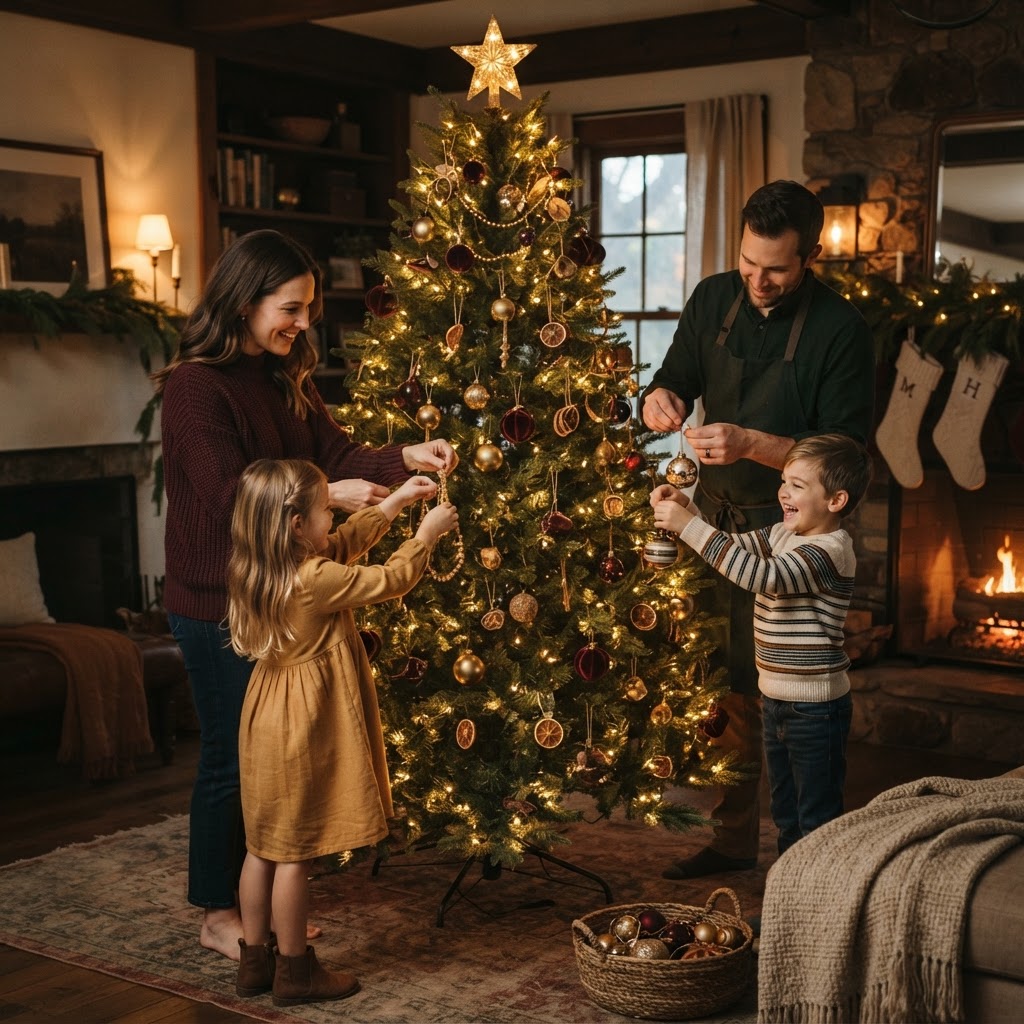
Balancing Individual Needs Within a Family
A family is not a single organism. It is a collection of individuals, each with their own needs, and the health of the family depends on the balance between the collective and the personal.

Building a Family Culture That Lasts
A family culture is not what you say about your family. It is what your family does — the shared values, practices, and ways of being that are lived, not declared.
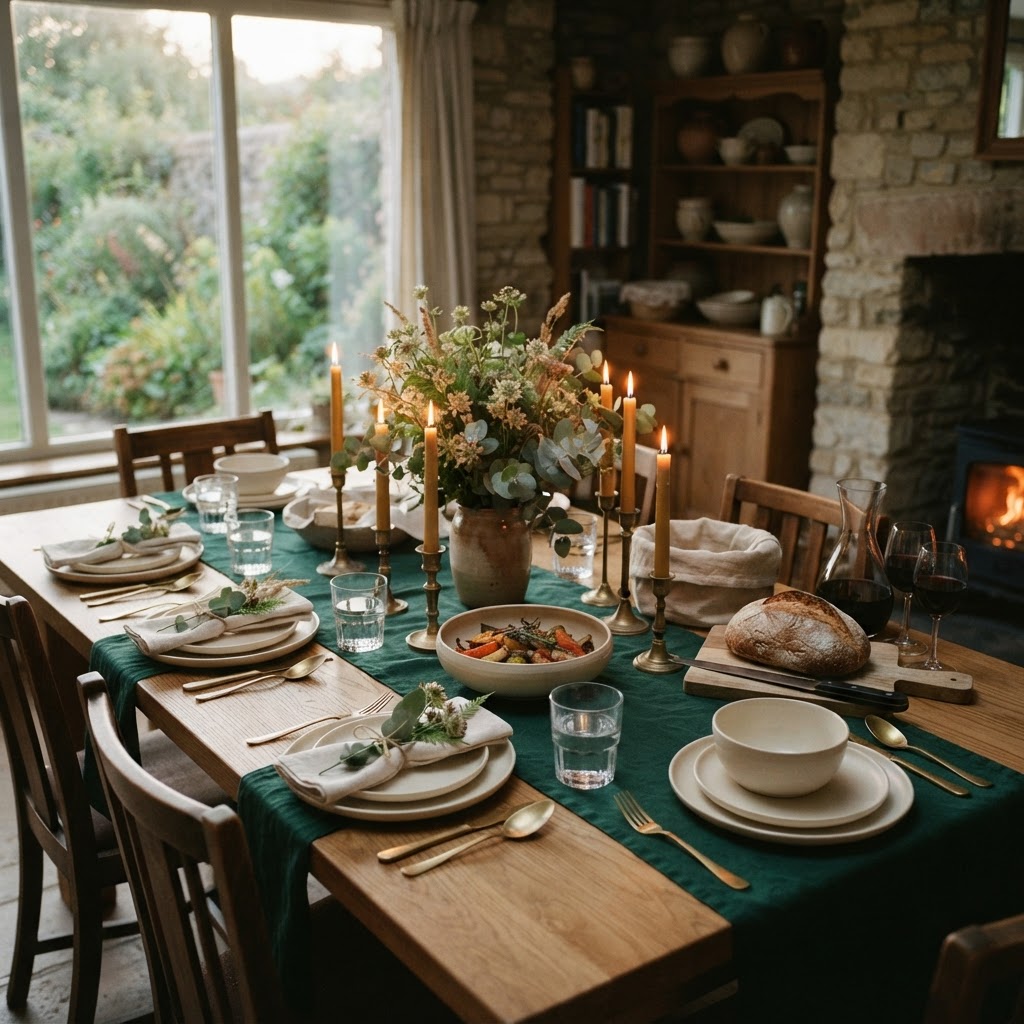
Building Strong Family Routines
Routines are not about rigidity. They are about reliability — the structures that make family life predictable enough to feel safe and flexible enough to feel free.
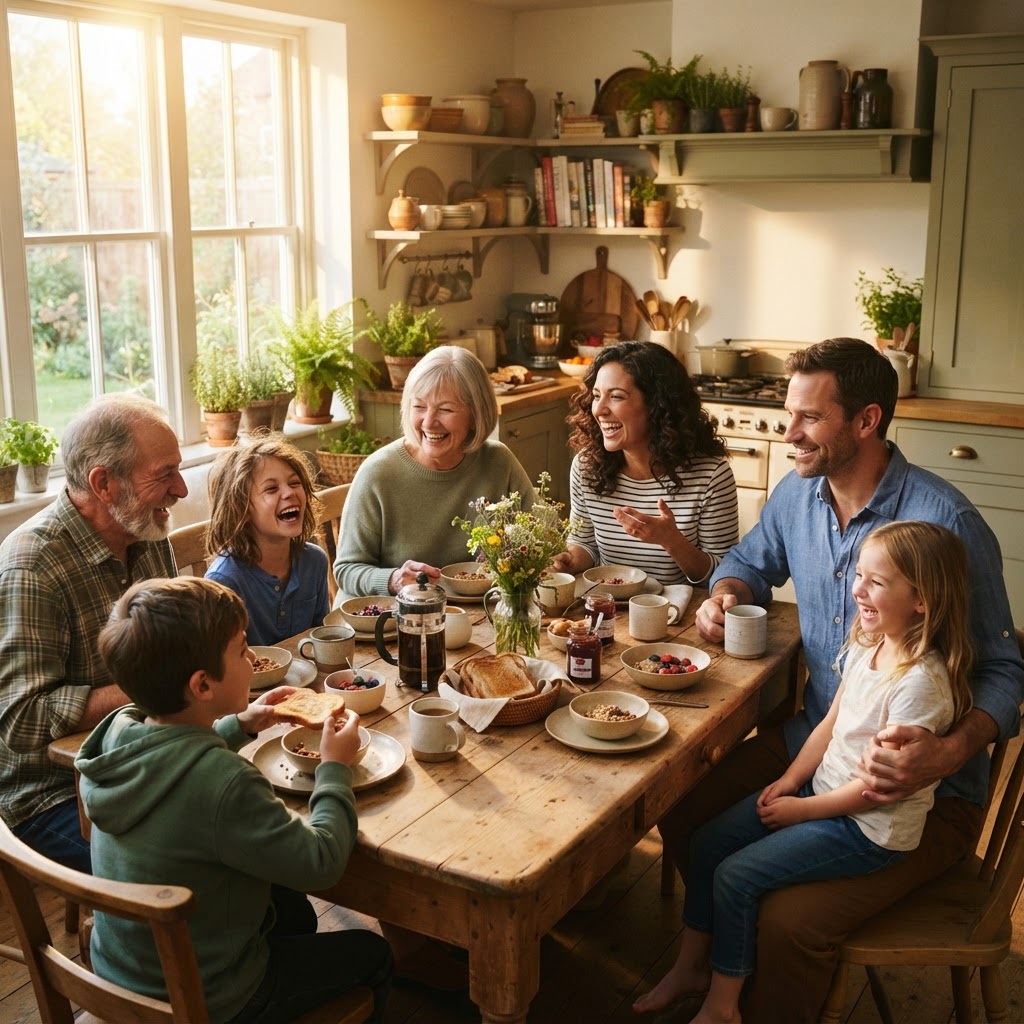
Small Habits That Bring Families Closer
Family closeness is not built through grand gestures. It is built through small, consistent practices — the daily habits that create connection one moment at a time.
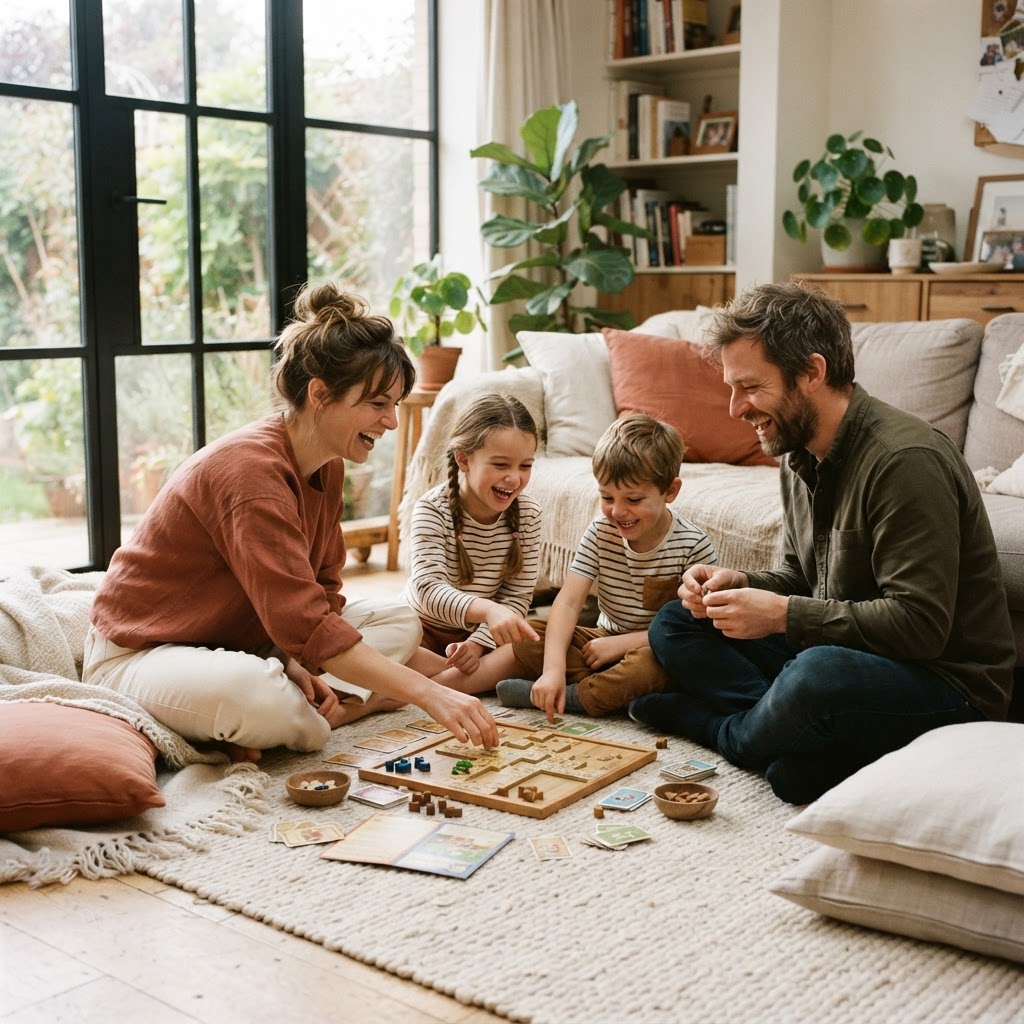
Creating a Home That Supports Family Life
A home is not just a place to live. It is an environment that either supports or undermines the family life that happens within it — every single day.

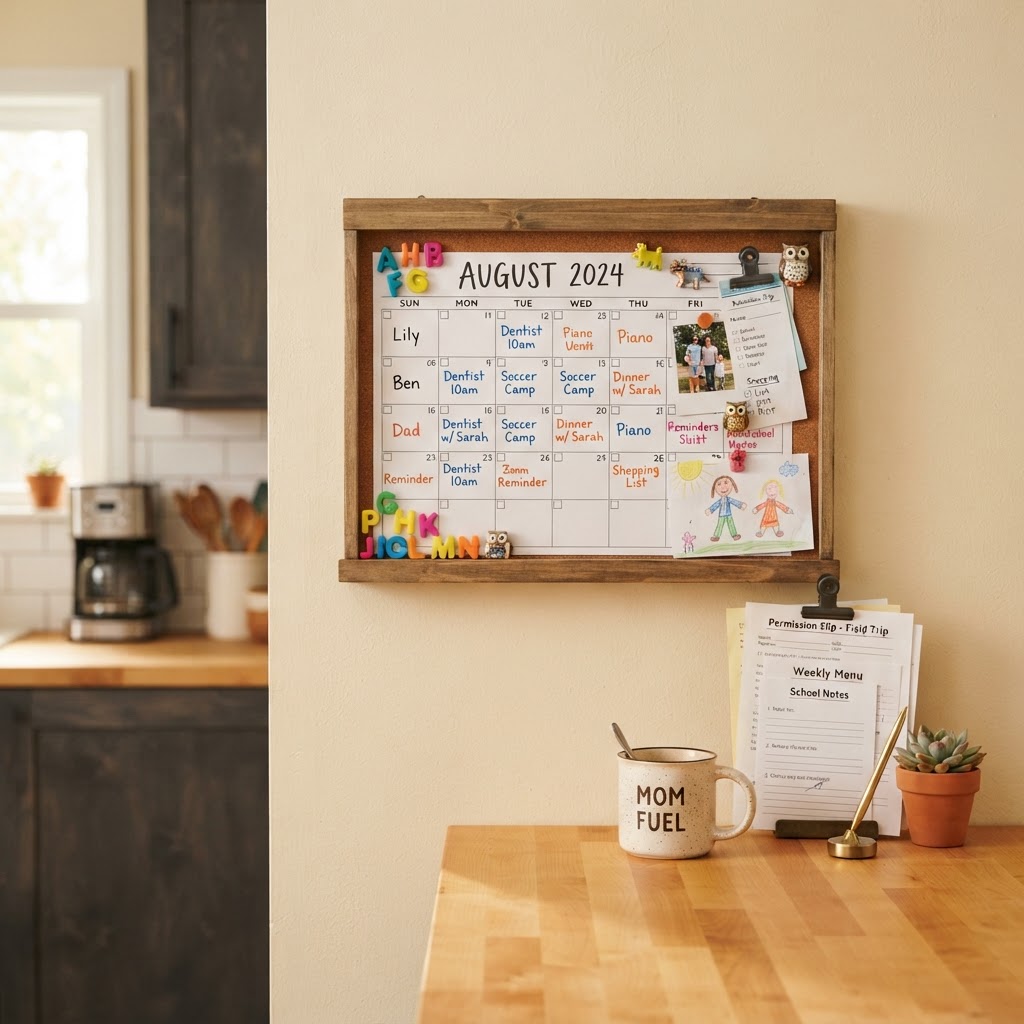
Managing Busy Family Schedules
A busy family schedule is not a sign of a full life. It is often a sign of an unexamined one. The goal is not to do more. It is to do what matters.
Family Meetings That Actually Work
A family meeting is not a business meeting. It is a practice of connection — a regular, intentional time to align, solve, and connect as a family.