
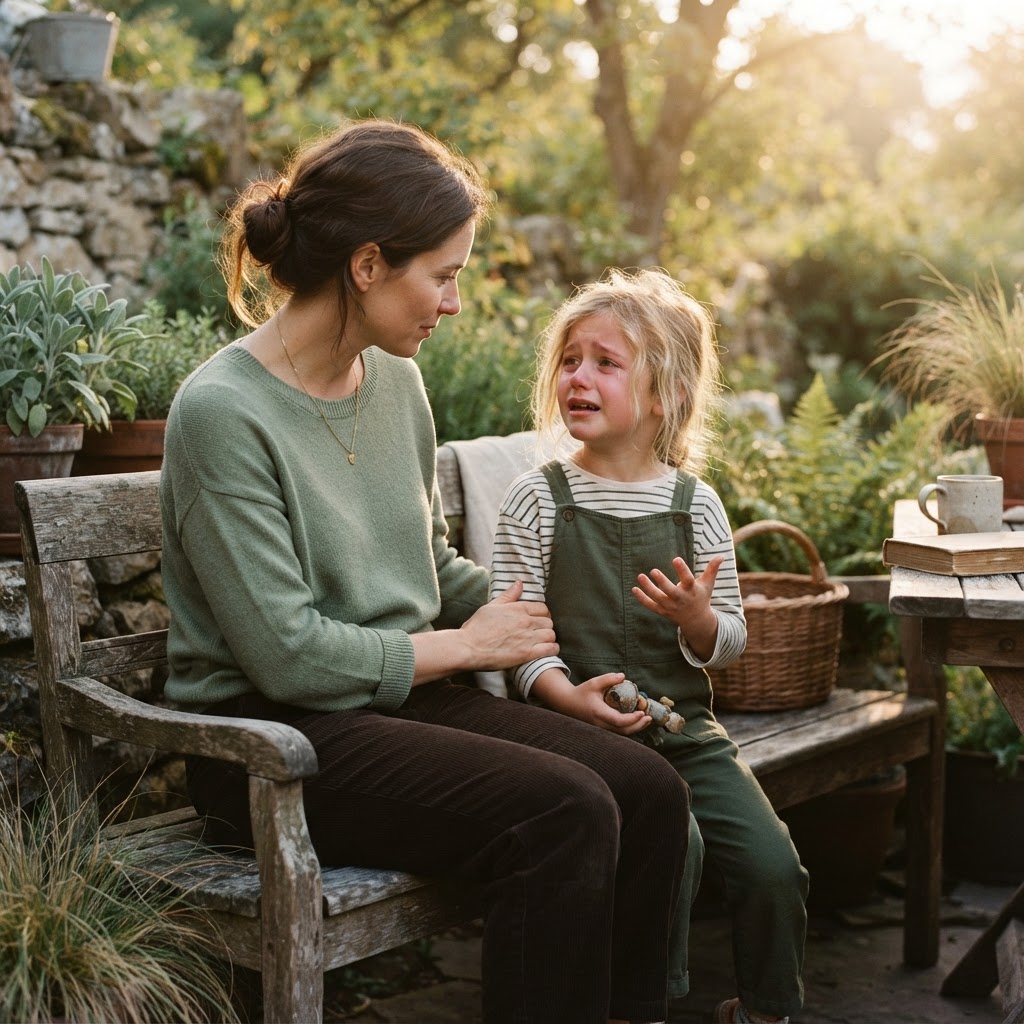
The Foundation of Everything
Emotional intelligence is the foundation of everything else — not because other skills are unimportant, but because the effective use of any skill requires the emotional regulation, self-awareness, and social awareness that emotional intelligence provides. The child who is academically gifted but cannot manage frustration, cannot collaborate, and cannot handle the social dimensions of group work is limited in their academic achievement, because the academic work, in real-world contexts, requires the emotional capabilities that the academic gift does not provide. The child who is physically talented but cannot handle competition, cannot work with a team, and cannot manage the emotions of performance is limited in their athletic achievement, because the performance, in real-world contexts, requires the emotional capabilities that the physical talent does not provide. The understanding that emotional intelligence is foundational, not supplementary, changes the priority: it is not something to address if time allows. It is something to address first, because without it, all other skills are limited in their application, and with it, all other skills are enhanced in their effectiveness. The family that recognizes this — that treats emotional intelligence as a core developmental priority, not an optional add-on — provides a foundation that supports every other aspect of the child's development.
Emotional intelligence is not the soft skill. It is the hard foundation. Without it, every other skill is a house on sand. With it, the house stands.
Naming Emotions
The most fundamental practice for building emotional intelligence is the naming of emotions — the ability to identify and articulate what one is feeling, which is the prerequisite for managing it. The child who can name their emotions — 'I am frustrated,' 'I am disappointed,' 'I am excited' — has the foundation for managing them, because the naming creates the awareness that allows the management. The child who cannot name their emotions experiences them as undifferentiated distress, which cannot be managed because it cannot be specifically identified. The parent's role in developing this ability is the consistent naming of emotions — both the child's ('it looks like you're feeling frustrated') and their own ('I'm feeling a bit overwhelmed right now'). This naming, done regularly and naturally, builds the child's emotional vocabulary and their ability to identify what they are feeling, and the identification, once developed, is the foundation for all other emotional intelligence — the management, the expression, and the understanding of others' emotions. The practice is simple but powerful: name emotions, consistently and accurately, and the naming, maintained over years, builds the emotional literacy that is the foundation of emotional intelligence.
Modeling Emotional Regulation
Beyond naming, the most powerful teacher of emotional intelligence is the parent's modeling — the demonstration, through the parent's own behavior, of how emotions are managed. The child who sees the parent manage frustration calmly, handle disappointment with resilience, and express anger appropriately learns, through observation, how these emotions are managed. The child who sees the parent lose control, suppress emotions, or express them inappropriately learns, through the same observation, a different lesson. This modeling is not about perfection. It is about the visible, daily practice of managing emotions — including the mistakes, the repairs, and the gradual improvement that characterize real emotional life. The parent who models emotional regulation honestly — who acknowledges their own emotional challenges, who demonstrates the practices they use to manage them, and who repairs the inevitable moments when the regulation fails — provides a model that is both aspirational and realistic, and the model, observed over years, teaches the child not just the ideal of emotional regulation but the real practice of it, including the struggles that are part of every person's emotional life.