
What Traditions Do
Traditions serve several functions in family life, and understanding them clarifies why they matter beyond the events themselves. First, traditions create identity — the shared practices that distinguish this family from others and give its members a sense of belonging to a specific group with its own ways. Second, traditions create rhythm — the recurring practices that mark the days, weeks, seasons, and years, providing the landmarks that give time structure and meaning. Third, traditions create connection — the shared experiences that bring family members together regularly, around practices that are meaningful and expected. And fourth, traditions create memory — the repeated experiences that, over years, accumulate into the shared history that family members carry with them, long after the specific instances are forgotten. These functions, taken together, explain why traditions are not decorative but foundational — they are the practices that give the family its character, its rhythm, and its shared story, and the families that maintain them are the families that have a sense of who they are and what it means to belong to each other.
Traditions are not the events. They are the meaning — the repeated practices that say, without words, this is who we are, this is what we value, and this is what it means to be part of this family.
Daily Traditions
The most powerful traditions are often the smallest — the daily practices that, repeated over years, become the invisible rituals that define the family's rhythm. These might include: the morning greeting (a specific way of saying good morning, a shared breakfast practice), the bedtime routine (the story, the conversation, the goodnight ritual), the dinner practice (the shared meal, the conversation format, the expression of gratitude), and the small, repeated phrases or gestures that the family uses to communicate care, humor, or connection. These daily traditions, because they are so frequent, have the most cumulative impact on the family's identity. The child who grows up with a consistent bedtime ritual, a shared dinner conversation, and a morning greeting carries these practices as part of their sense of what family means, and the practices, however simple, become the rituals that the child may eventually pass on to their own family. The daily tradition, because it is ordinary, is easy to overlook, but it is the most powerful — the practice that, repeated thousands of times, becomes the foundation of the family's shared identity.
Weekly and Seasonal Traditions
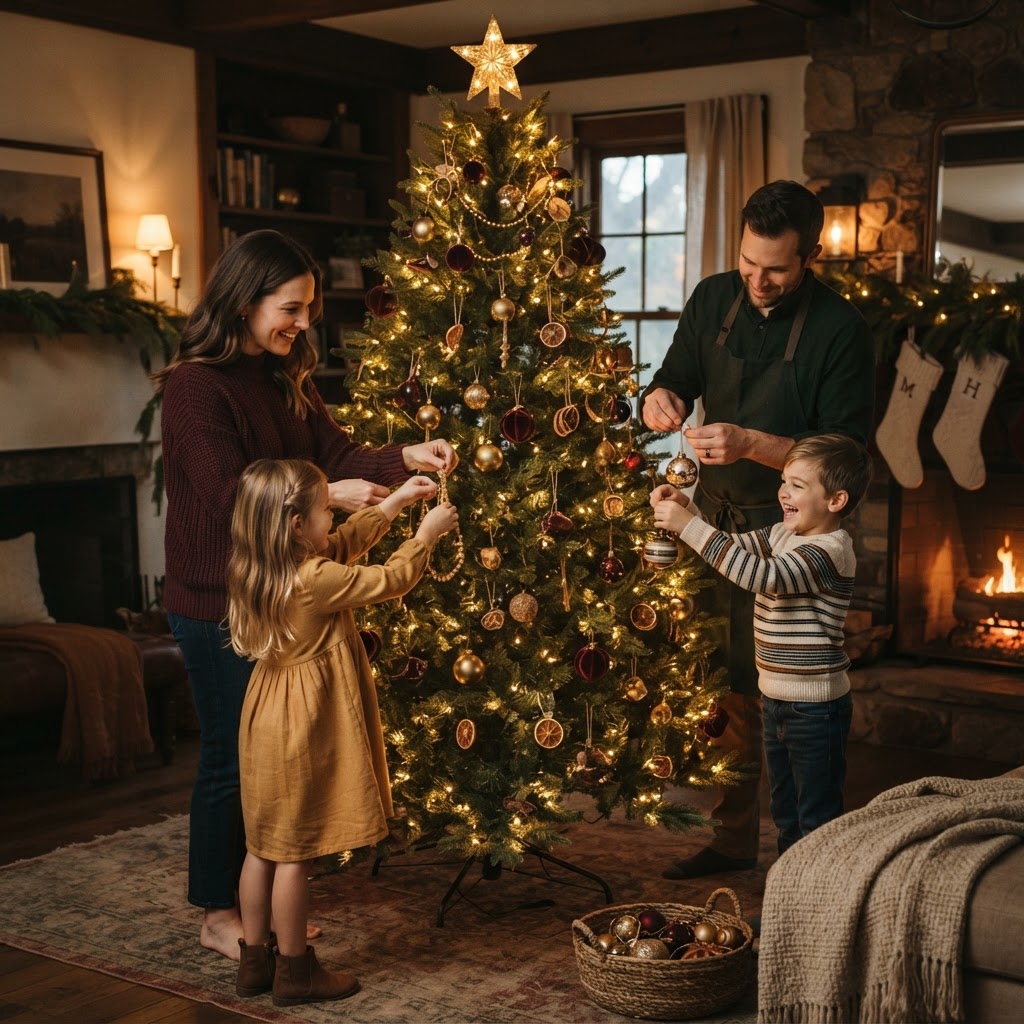
Beyond the daily, weekly and seasonal traditions provide the larger landmarks that mark the year and give the family's time a sense of progression and celebration. Weekly traditions might include: a weekend breakfast (pancakes on Saturday morning, a leisurely Sunday brunch), a family activity (game night, movie night, a walk or sport), or a weekly practice (the Sunday review of the week ahead, the Friday celebration of the week's end). Seasonal traditions mark the changing of the year: the first hike of spring, the summer trip, the autumn apple-picking, the winter holiday practices. These traditions, because they are less frequent than daily ones, are more deliberate — they require planning, anticipation, and maintenance — but they are also more memorable, providing the events that family members look forward to and remember long after they have passed. The weekly and seasonal traditions, combined with the daily ones, create a calendar of meaning — a year structured by practices that give time shape and significance, and that create the shared experiences that define the family's story.