
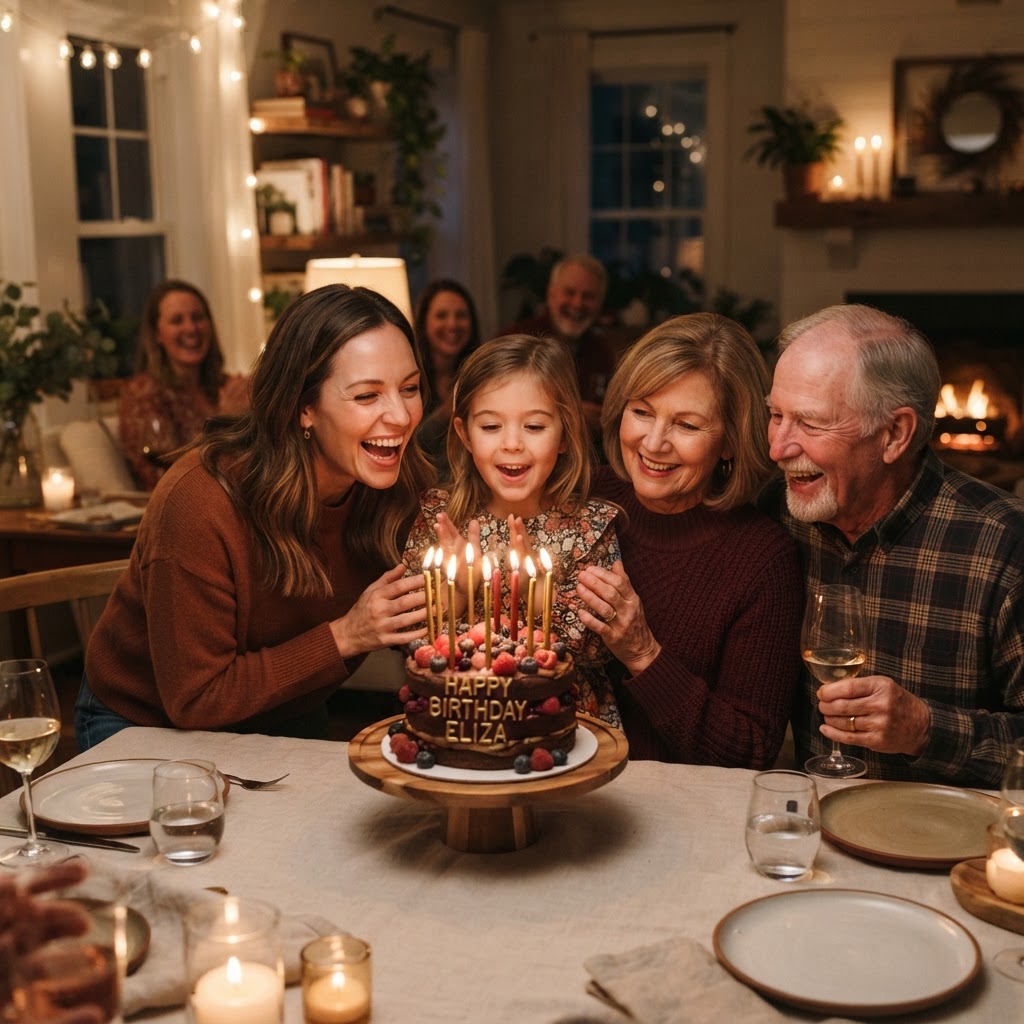
The Meaning, Not the Event
The most important shift in celebrating milestones meaningfully is the shift from the event to the meaning — the recognition that the milestone is significant not because of the celebration but because of what it represents, and the celebration is the family's way of acknowledging the significance. The birthday marks another year of life — the growth, the experiences, the person who is becoming. The anniversary marks another year of partnership — the commitment, the journey, the relationship that has endured. The graduation marks the completion of a stage — the effort, the learning, the transition to what comes next. The achievement marks the accomplishment — the work, the persistence, the success. Each milestone, when the meaning is acknowledged, is far more significant than the celebration of the date, and the celebration, when it is connected to the meaning, becomes a genuine acknowledgment rather than a routine observance. The family that makes this shift — that asks, for each milestone, what does this represent, and designs the celebration to acknowledge it — celebrates milestones that are genuinely meaningful, not just customary, and the meaning, created through the intention, is what makes the milestone memorable.
The milestone is not the party. It is the meaning. The celebration that forgets the meaning is just a date. The celebration that honors it is a memory that lasts.
Personal Over Elaborate
The most meaningful celebrations are often not the most elaborate. They are the most personal — the celebrations that reflect the person, the milestone, and the family's unique way of acknowledging significance. The birthday celebration that includes the person's favorite meal, a letter from each family member, and the sharing of memories is more meaningful than the elaborate party that, however impressive, does not reflect the person. The anniversary celebration that recreates the first date, includes the story of the relationship, and acknowledges the journey is more meaningful than the expensive dinner that, however fine, does not connect to the significance. The personal celebration, because it reflects the specific person and the specific milestone, is far more memorable than the generic celebration, however elaborate, because the personal elements are what make the celebration unique, and the uniqueness is what makes it a genuine acknowledgment rather than a routine observance. The family that prioritizes personal over elaborate — that asks, for each milestone, what would make this celebration genuinely meaningful for this person — creates celebrations that are remembered, not for their elaborateness but for their meaning.
Involving the Family
The meaningful celebration involves the family — not as attendees but as participants, contributing to the acknowledgment of the milestone and the creation of the moment. The involvement might include: each family member sharing a memory or appreciation, the collaborative preparation of a meal or activity, the creation of a collective gift (a book of letters, a video of memories, a shared project), or the participation in a ritual that the family has developed for milestones. The involvement, beyond making the celebration richer, reinforces the family's connection — the shared acknowledgment of a member's milestone is a moment of family unity, a statement that the family recognizes and celebrates its members' significant moments together. The involvement, maintained as a practice for each milestone, builds the family's tradition of celebration — the expected, valued practice that the family gathers, acknowledges, and celebrates its milestones together, and the tradition, built through consistent practice, becomes one of the family's defining characteristics.