
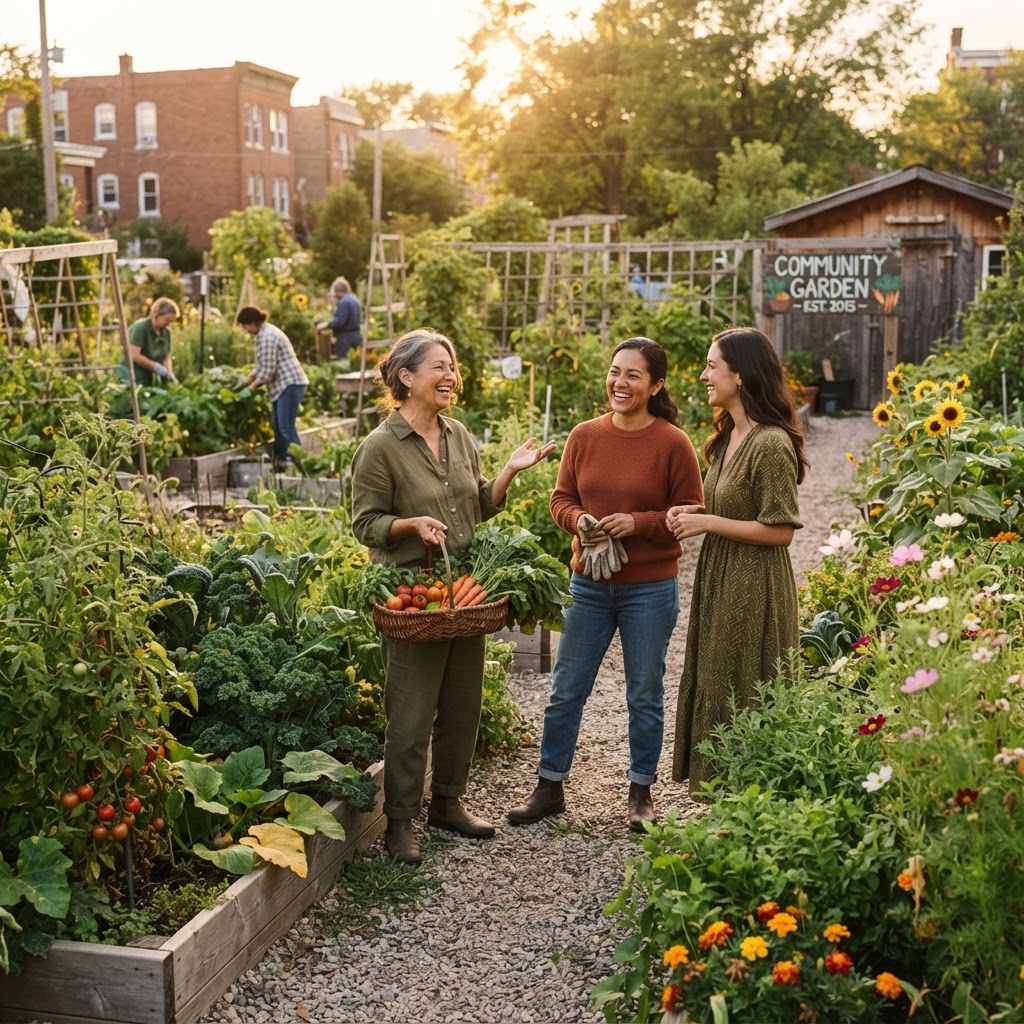
The Loss of Natural Community
The need for deliberate community building arises from the loss of the natural community that previous generations enjoyed. The neighborhood where children played together and parents knew each other, the extended family that lived nearby and provided support, the local institutions — church, club, association — that provided regular connection, and the workplace that provided social network — these natural communities, once standard, have eroded for many families, through mobility, the decline of local institutions, the rise of digital connection (which connects globally but often disconnects locally), and the busy schedules that leave little time for the incidental connection that builds community. The loss of natural community does not mean that community is unavailable. It means that community, once provided automatically, must now be built deliberately, through the intentional effort to connect with the people and institutions around the family. The understanding of this loss — and the recognition that community must be built rather than found — is the foundation of building strong community connections, because it shifts the family from the passive expectation that community will appear to the active practice of building it.
Community is not found. It is built — one conversation, one contribution, one showing up at a time. The family that waits for community to find them waits alone. The family that builds it has a network that lasts.
Showing Up
The most fundamental practice for building community is showing up — being present at the events, gatherings, and activities where community connections are formed. This includes: the neighborhood events (block parties, garage sales, community meetings), the school events (parent nights, school performances, volunteer opportunities), the local activities (farmer's markets, local festivals, community classes), and the recurring gatherings (religious services, club meetings, interest groups). The showing up does not require extroversion or social ease. It requires presence — the willingness to be in the spaces where community exists, to interact with the people who are there, and to allow the connections that may form to form. The family that shows up, consistently and over time, creates the presence that is the foundation of community — the family that is known, seen, and available for connection, and the presence, maintained through consistent showing up, is what allows the community to form around them.
Contributing
Beyond showing up, the practice that builds community most powerfully is contributing — the active effort to add value to the community, through the giving of time, skills, or resources. The contribution might include: volunteering at the school or community organization, helping a neighbor with a task, organizing a community event, sharing skills or knowledge, or contributing to community projects. The contribution, beyond building connection, establishes the family as a valued part of the community — the family that contributes is known not just for their presence but for their generosity, and the reputation, built through consistent contribution, creates a level of goodwill and connection that presence alone cannot produce. The contribution, to be sustainable, should be appropriate to the family's capacity — not so much that it overwhelms, but enough to be meaningful — and it should be consistent, because the consistent contribution, maintained over time, is what builds the reputation and the connections that characterize a family's community presence.