
Vol. 1 · No. 42 · FreeOctober 22

THE COUNTIO CHRONICLE

The World's Growing Library of Actionable Knowledge
Home·Guide·Home Ownership
Beginner6 min read

July 2026 · Volume 1 · Issue 29

Backyard Maintenance Made Simple

Straightforward maintenance principles that keep your backyard functional, safe, and inviting without consuming every weekend — built on rhythm, not reaction.

Published July 18, 2026
backyardlawn careoutdoor maintenancetreesshrubshardscapeweedsseasonal

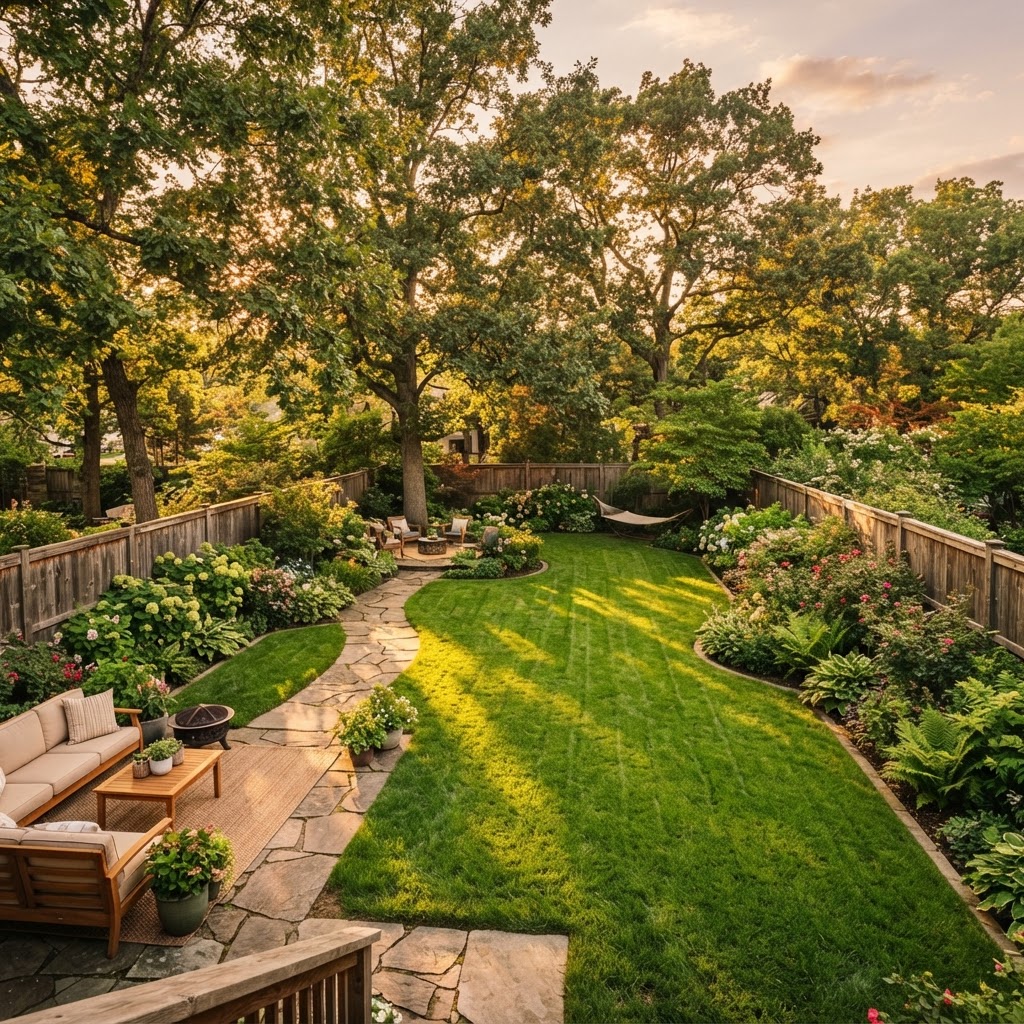
A backyard is a living system, and like any system it degrades without regular attention. But backyard maintenance does not need to be exhausting. The key is understanding which tasks matter, how often they truly need doing, and how to build a rhythm that keeps the space usable without turning every Saturday into a workday. This guide strips backyard care down to its essentials.

Backyard Maintenance Made Simple

Start With the Lawn

The lawn is the backbone of most backyards, and it sets the tone for everything else. Mow regularly but not too short — taller grass shades its own roots, retains moisture, and crowds out weeds. A height of three to four inches is ideal for most climates. Sharpen your mower blade twice a season; a dull blade tears grass rather than cutting it, leaving ragged tips that turn brown and invite disease.

Water deeply once or twice a week rather than daily. Deep watering encourages roots to grow downward, making the lawn more drought-resistant. Feed it in spring and autumn with a balanced fertiliser, and aerate compacted areas every couple of years to let air and water reach the roots.

The lawn does not need daily attention. It needs the right attention at the right time.

Trees and Shrubs

Inspect trees and shrubs each season for dead branches, disease, and structural issues. Prune in late winter when plants are dormant and you can see the structure clearly. Remove crossing branches, suckers, and anything dead or diseased. For large trees or high branches, call a professional — this is not a place to save money.

Mulch around trees and shrubs in a wide ring, but keep the mulch a few inches away from the trunk. Mulch piled against bark invites rot and pests. A two-to-three-inch layer suppresses weeds, retains moisture, and gradually feeds the soil as it breaks down.

Hardscape and Structures

Your fence, deck, shed, and pathways need attention too. Walk the perimeter each season and look for loose boards, rusting nails, shifting posts, and cracking concrete. Small repairs now prevent expensive replacements later. Clean decks and patios annually, and reseal wood surfaces every two to three years depending on exposure.

Check that drainage paths are clear. Water pooling near your home's foundation is a problem you want to solve before it becomes a flooded basement. Ensure gutters direct water away from the house, and that the ground slopes away from the foundation.

Pests and Weeds

Weeds are easier to prevent than to remove. A thick, healthy lawn and well-mulched beds leave no room for weeds to establish. When they do appear, pull them after rain when the soil is soft — you will get the roots out intact. For persistent problems, identify the weed and choose a targeted approach rather than blanket-spraying chemicals.

Inspect plants regularly for signs of pest damage. Most insect problems stay manageable if caught early. Encourage natural predators — birds, ladybirds, lacewings — by providing water, shelter, and a diversity of plants.

The Monthly Rhythm

Backyard maintenance becomes simple when it becomes routine. A monthly checklist — mow, inspect, weed, water, repair — takes less time than you think and prevents the backlog that turns maintenance into misery. Walk your yard once a month with a critical eye, handle what you find, and the space stays functional and inviting without ever becoming a burden.

The best-maintained backyards are not the ones worked on the hardest. They are the ones worked on the most consistently.
Continue Your Planning
Further Reading

The Ultimate Home Maintenance Calendar

A month-by-month framework for keeping your home in rhythm — the small, deliberate actions that prevent the large, expensive ones.

Seasonal Home Maintenance Explained

Every season writes its own signature on your home. Understanding what each one tests — and what it reveals — is the foundation of year-round care.

Prevent Expensive Repairs Before They Happen

The most expensive repair is the one you didn't see coming. A guide to the small inspections that prevent the large bills.

Preparing Your Yard for Summer

A practical late-spring checklist for getting your yard ready for months of heat, heavy use, and outdoor living — from lawn health to shade, water, and safety.

Outdoor Safety for Families

A comprehensive approach to making your yard, garden, and outdoor spaces safe for children, pets, and guests — covering hazards, boundaries, and emergency readiness.

Building Household Systems That Actually Last

Why most home systems fail — and how to design ones that survive real life, busy weeks, and growing families.

Creating a Weekly Home Reset Routine

Forty-five minutes a week that prevent weekend-consuming projects and keep your home quietly in order.

The First Week in Your New Home

The truck has left. The boxes are everywhere. Here is how to turn a house of cardboard into a home in seven days — without losing your mind.

Small Habits That Make Home Life Easier

Motivation is unreliable. Habits are not. Here are the small, repeatable actions that quietly transform a chaotic home into one that runs itself — from the two-minute reset to the surface rule.

Creating Weekend Reset Rituals

Weekends drift when they have no shape. Here is how to build weekend reset rituals — the Friday close, the Saturday reset, and the Sunday slowdown — that restore your home and your energy for the week ahead.

Why Great Homes Run on Systems, Not Motivation

Motivation is a feeling. Systems are infrastructure. The homes that feel effortless do not rely on anyone feeling inspired to maintain them — they rely on systems that run whether you are motivated or not.