
Vol. 1 · No. 37 · FreeSeptember 9

THE COUNTIO CHRONICLE

The World's Growing Library of Actionable Knowledge
Home·Practical Guide·Family
Beginner7 min read

July 2026 · Volume 1 · Issue 29

Outdoor Safety for Families

A comprehensive approach to making your yard, garden, and outdoor spaces safe for children, pets, and guests — covering hazards, boundaries, and emergency readiness.

Published July 18, 2026
outdoor safetychild safetypet safetyfamilyyard safetyplay equipment

An outdoor space should be a place of freedom, exploration, and play — particularly for children. But the same elements that make a yard exciting also introduce risks: water features, tools, chemicals, uneven ground, poisonous plants, and equipment that degrades over time. Outdoor safety for families is not about wrapping everything in cotton wool. It is about identifying genuine hazards, addressing them systematically, and then allowing children and pets to explore a space you have made reasonably safe. This guide covers the key areas to assess.

Outdoor Safety for Families

The Safety Walk

Begin with a slow, deliberate walk through your yard, seeing it from a child's height and a pet's perspective. What looks harmless to an adult may be a genuine hazard at ground level. Look for sharp edges, rusty nails, splintering wood, broken glass, uneven paving, and holes in the ground. Check fences for gaps that a small child or pet could squeeze through, and gates for latches that are too easy to open.

This walk should be repeated seasonally, because outdoor spaces change. Winter frost heaves pavers. Summer drought cracks timber. Autumn leaves hide tripping hazards. A regular safety walk catches problems before they cause injury.

Safety is not a one-time project. It is a habit of attention.

Water and Drowning Risk

Any body of water, however small, is a drowning risk for young children. Ponds, pools, water butts, and even deep puddles that collect in containers need attention. If you have a pond, consider fencing it, covering it with a rigid mesh, or filling it in while children are very young. Pools should be fenced with self-closing, self-latching gates that meet local safety standards.

Empty containers that can collect water — buckets, plant saucers, wheelbarrows — after rain, as even a few inches of water is enough to drown a small child. This also reduces mosquito breeding sites, which protects the whole family.

Tools, Chemicals, and Equipment

Garden tools, fertilisers, pesticides, and fuels must be stored securely. A locked shed or a high shelf in a garage keeps these out of reach of children and pets. Never leave tools lying in the grass — a rake hidden in long grass can cause a serious face injury. Put tools away after every use, not just at the end of a project.

When using power tools or chemicals, ensure children and pets are inside or in a separate area. Read chemical labels carefully and follow safety instructions precisely. Store chemicals in their original containers, never in food or drink containers that could be mistaken for something safe.

The shed lock is not paranoia. It is the cheapest safety equipment you will ever buy.

Plants and Toxicity

Many common garden plants are toxic if eaten, and some cause skin reactions on contact. Identify every plant in your yard and research its toxicity. Plants like foxglove, oleander, lily of the valley, and daffodil bulbs are poisonous. Berries on some shrubs are attractive to children but harmful if ingested.

If you have young children or pets, consider removing the most dangerous plants or fencing them off. Teach children early that they should never eat anything from the garden without asking first. This rule, consistently enforced, is one of the most important safety habits you can instil.

Play Equipment

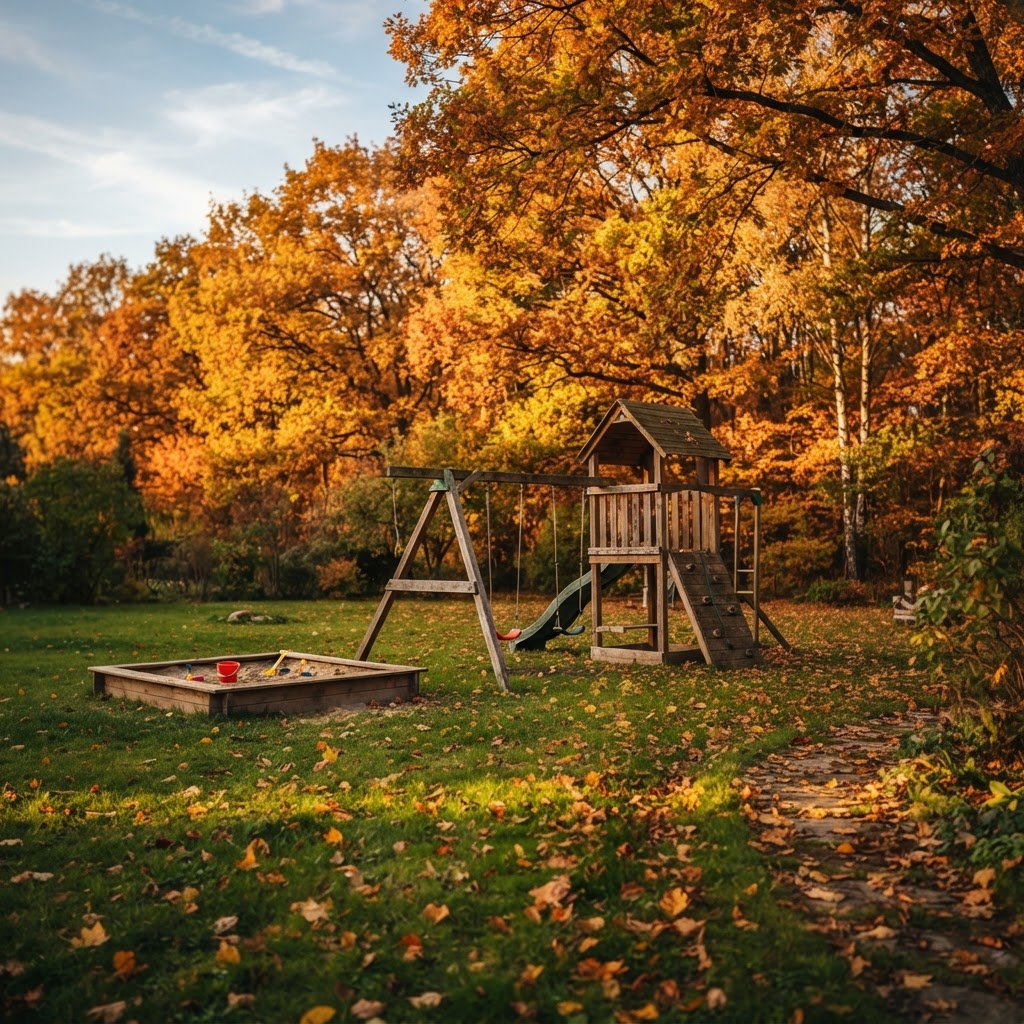
Inspect swings, slides, climbing frames, and trampolines regularly for loose bolts, rust, splinters, and wear. Ensure play equipment is on a soft surface — bark, rubber matting, or grass — rather than concrete or hard paving. Check that swings have adequate clearance in all directions and that the structure is anchored firmly to the ground.

Supervise young children on play equipment, particularly trampolines, which cause a significant number of childhood injuries. Teach older children basic safety rules — no pushing, no roughhousing near equipment, one person on a swing at a time.

Sun and Heat

Outdoor safety includes protection from the elements. Ensure there is shaded area in the yard where children can retreat from direct sun. Apply sunscreen before outdoor play, and reapply after swimming or heavy sweating. Provide easy access to drinking water, and encourage children to drink regularly, particularly during active play in hot weather.

Be aware of heat illness signs — excessive tiredness, headache, dizziness, nausea — and bring children indoors during the hottest part of the day in peak summer.

Emergency Readiness

Keep a basic first aid kit accessible, and ensure all family members know where it is. Have emergency numbers saved in phones and posted near outdoor areas. If you have a pool, know CPR. Teach children what to do if they encounter a stranger, an unfamiliar animal, or a situation that feels unsafe. A family that has thought through emergencies responds better when one occurs.

Freedom Within Boundaries

The goal of outdoor safety is not to eliminate risk entirely — that is neither possible nor desirable. Children learn by exploring, climbing, getting dirty, and occasionally falling. The goal is to remove the hazards that cause serious injury and to create a space where freedom and play can happen within reasonable, well-considered boundaries. Do the safety work, then step back and let the yard be what it should be: a place of joy, discovery, and healthy outdoor life.