
What Routines Actually Do for Families
Routines are often misunderstood as rigid schedules that constrain family life. In practice, the opposite is true. Routines reduce the number of decisions a family has to make each day, which frees up emotional energy for the things that actually matter — conversation, play, rest.
For children, routines provide predictability, which is the foundation of security. A child who knows that dinner is followed by bath, bath is followed by stories, and stories are followed by sleep does not need to negotiate or worry about what comes next. The routine holds them.
Routines are not the absence of spontaneity. They are the structure that makes spontaneity possible.
The Anchor Points: Morning, Meals, Bedtime
Every family benefits from three anchor routines — one at the start of the day, one in the middle, and one at the end. These are the structural pillars that hold the rest of family life together.
The morning anchor does not need to be elaborate. It needs to be consistent: where backpacks go, when breakfast happens, what the order is. The content matters less than the predictability.
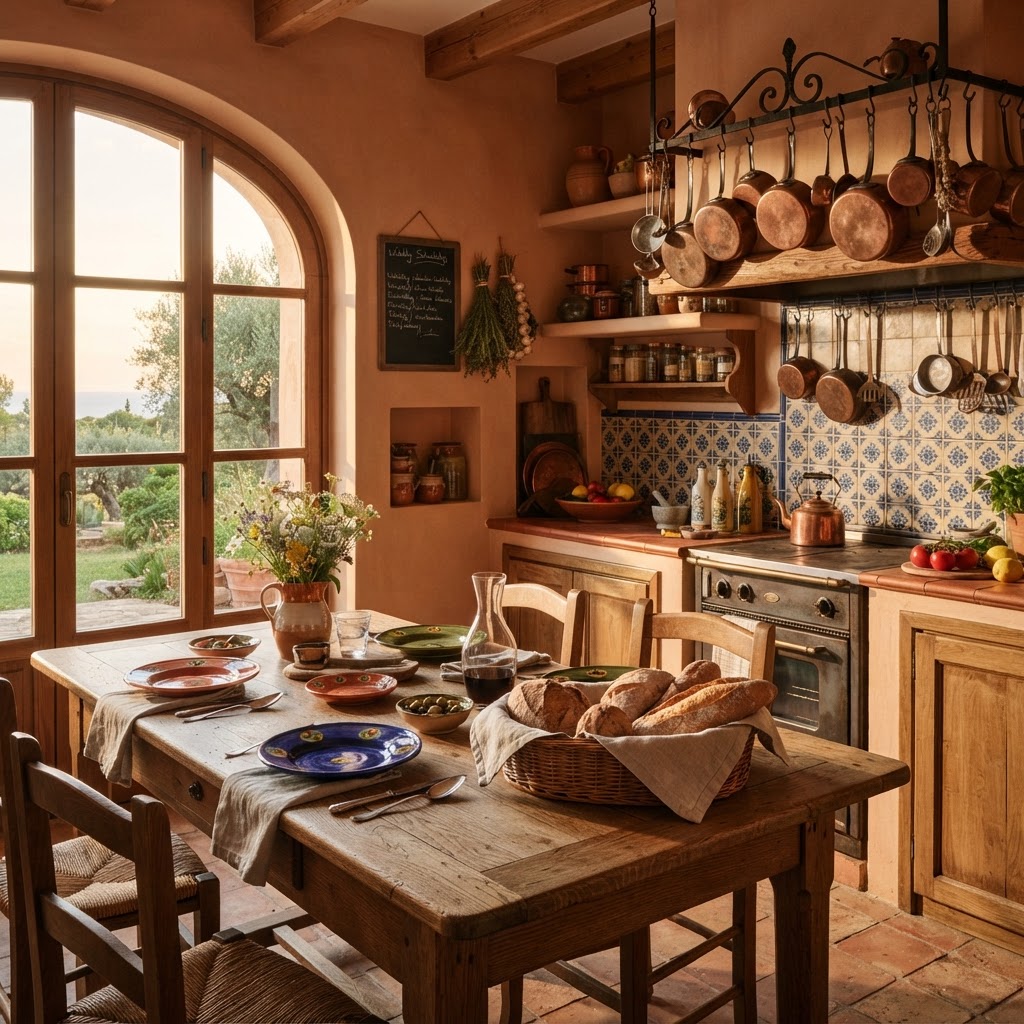
The meal anchor is the single most powerful routine a family can establish. Not because of the food — because of the gathering. Families that eat together regularly, even simply, build connection that no other activity replicates.
The bedtime anchor is where the day is processed and closed. For young children, this is the story and the lights-out ritual. For older children, it might be a brief check-in. For adults, it is the signal that the working day has ended.
The Family Meeting
One routine that most families skip but should not: a weekly family meeting. Not a tribunal. Not a complaint session. A brief, structured check-in where everyone shares what is happening this week, what they need, and what they are looking forward to.
This is where the family operates as a unit rather than a collection of individuals sharing an address. It is where schedules are coordinated, problems are surfaced early, and every member — including children — practices the skill of being part of a household.