
Vol. 1 · No. 37 · FreeSeptember 10

THE COUNTIO CHRONICLE

The World's Growing Library of Actionable Knowledge
Travel·Guide·Travel
Intermediate7 min read

July 2026 · Volume 1 · Issue 29

Making the Most of National Parks

National parks are more than scenic destinations. Making the most of them means engaging deeply, staying overnight, and respecting the ecosystem.

Published July 18, 2026
national parksoutdoor travelnature travelpark guide

National parks are often treated as photo opportunities — drive in, photograph the vista, drive out. But they are more than scenery. They are living systems, historical records, and sources of experiences that no city can provide. The traveler who engages deeply with a national park discovers something that a quick stop can never reveal.

Making the Most of National Parks

More Than Scenery

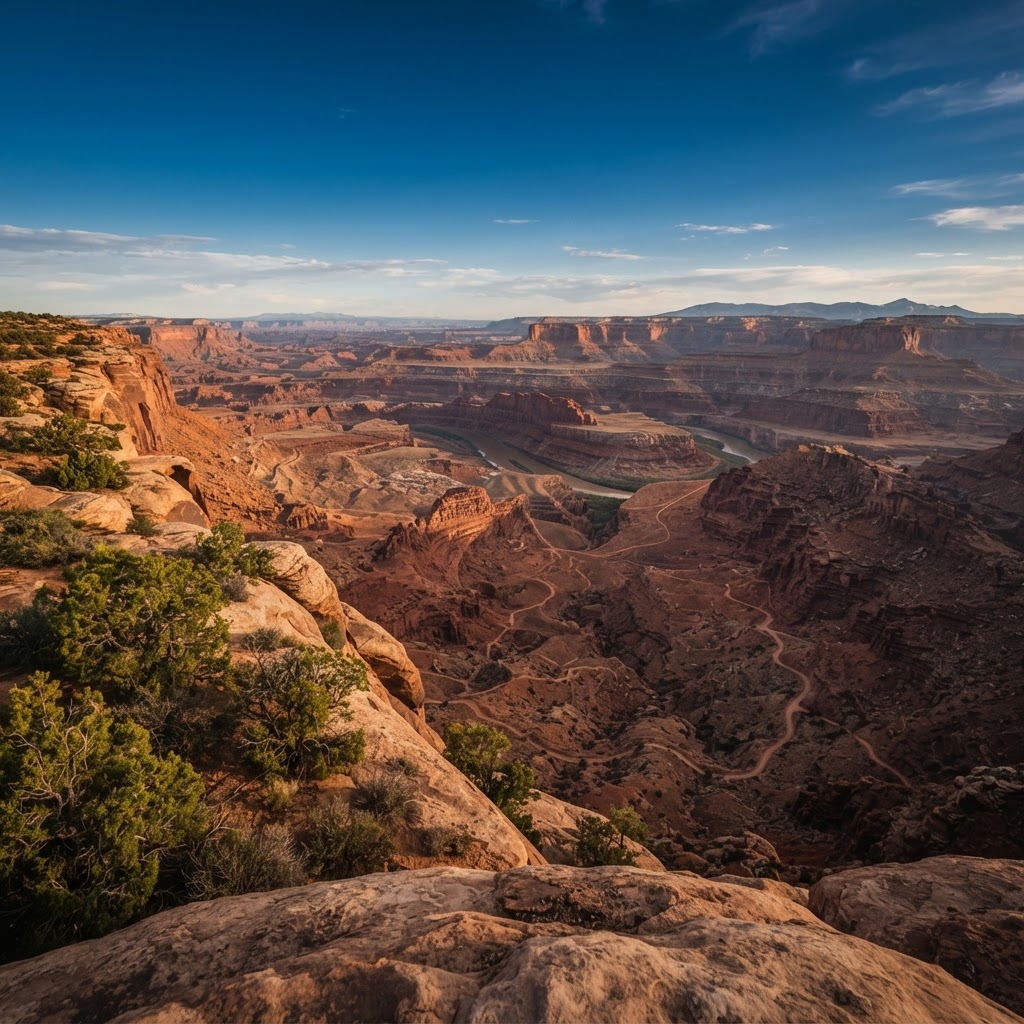
National parks are often treated as scenic destinations — places to drive through, photograph, and check off. But they are more than landscapes. They are living systems, historical records, and opportunities for experiences that no city can provide. The traveler who treats a national park as a photo opportunity misses the depth that makes these places extraordinary.

Making the most of a national park means engaging with it on its terms. It means spending time, not just passing through. It means preparing for conditions that can be demanding. It means respecting ecosystems that are both fragile and powerful. The park is not a backdrop for your trip — it is the experience itself.

A national park is not a place you visit. It is a place you enter — and what you find depends on how deeply you go.

Plan for the Park, Not the Photograph

Research the park before arrival. Understand its geography, its ecosystems, and its seasonal variations. Know what trails are open, what permits are required, and what conditions to expect. A national park is not a controlled environment — weather changes, wildlife is present, and cell service is often nonexistent. Preparation is not optional; it is essential for both safety and enjoyment.

Choose trails and activities that match your fitness, experience, and available time. The most popular trail is not always the best — it is simply the most accessible. Less-traveled trails often offer more solitude, more wildlife, and a deeper sense of the park's character. Balance the must-see viewpoints with experiences that take you beyond the parking lot.

Slow Down and Stay

The greatest enemy of the national park experience is the day trip. Driving in, taking the short trail, photographing the viewpoint, and driving out gives you a postcard impression of a place that deserves far more. If possible, stay overnight — in a lodge, a campsite, or nearby accommodation. A park at dawn and dusk is a different place than a park at midday. Wildlife is more active. Crowds are thinner. Light is more dramatic. The experience is deeper.

Time changes your relationship with a landscape. After a few hours, you see the obvious. After a day, you notice the details. After multiple days, you begin to understand the systems — how the water flows, where the animals move, how the light changes across the valley. This understanding is what transforms a visit into an experience.

The park does not reveal itself to the hurrying traveler. It reveals itself to the one who stays.

Respect the Place

National parks are protected for a reason. They are ecosystems that have taken millennia to develop and that can be damaged in minutes. Follow the principles of leave-no-trace: pack out everything you pack in, stay on designated trails, do not approach or feed wildlife, and respect closures and restrictions. These rules are not bureaucratic — they preserve the park for the next visitor and for future generations.

Respect also means understanding your impact as a visitor. Popular parks face pressure from overtourism. Visit during less-crowded times if possible. Consider lesser-known parks that offer similar experiences with fewer crowds. The goal is not just to see the famous parks but to support the system that protects all of them — by being a visitor who adds to the park's preservation rather than its degradation.

A national park, properly experienced, is one of the most profound travel experiences available. It connects you to natural systems, geological time, and a scale of beauty that puts human concerns in perspective. Enter deeply, stay long, and leave with more than photographs.