
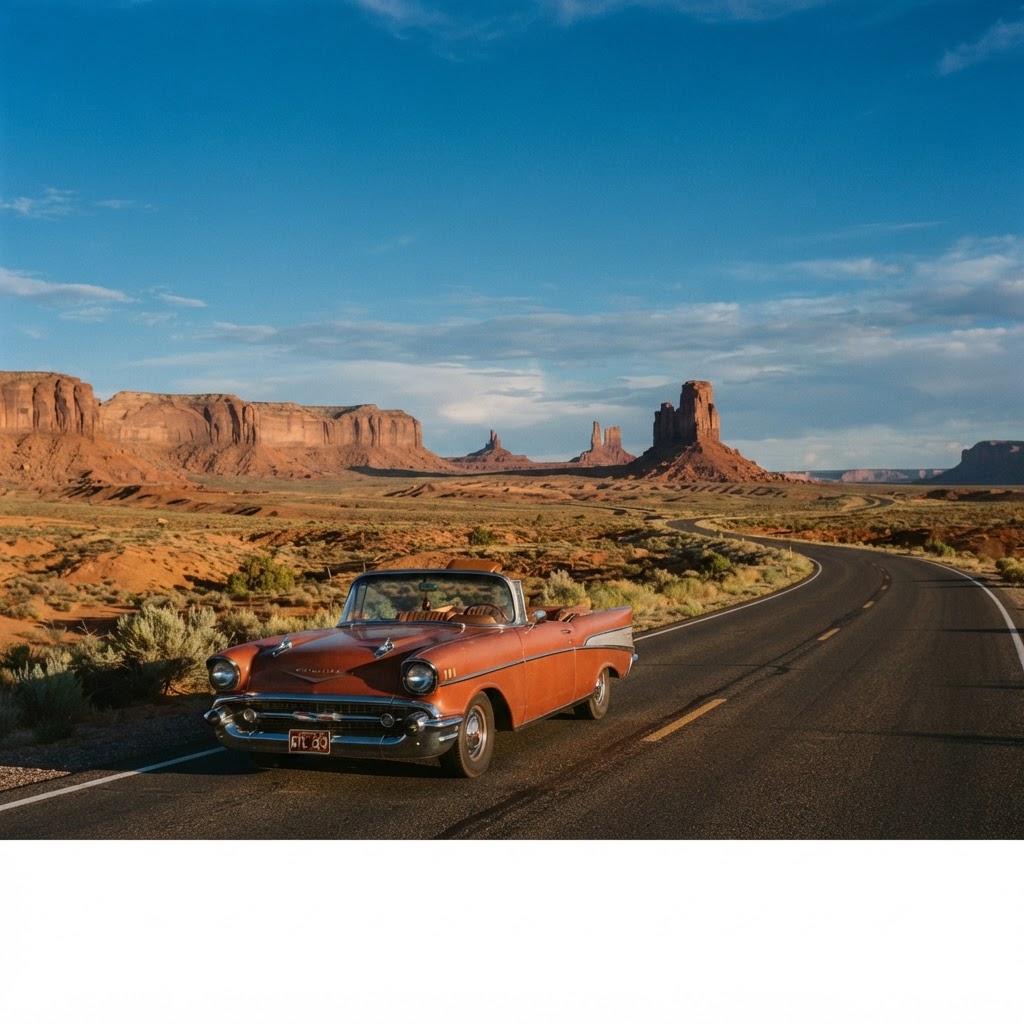
The Journey Is the Destination
A road trip is different from other forms of travel. It is not just a way to get somewhere — it is an experience in itself. The freedom of the open road, the ability to stop wherever curiosity leads, the rhythm of driving through changing landscapes: these are what make road trips uniquely rewarding. But this freedom requires planning to be enjoyable rather than chaotic.
Road trip planning is not about filling every hour with stops. It is about creating a framework that allows for spontaneity. The best road trips have enough structure to keep you moving and enough flexibility to follow the signs that look interesting, take the detour that promises something unexpected, and stop for the view that was not in the guidebook.
A road trip is not a route. It is a series of decisions made with the freedom to change them.
Plan the Framework
Start with the essentials: your starting point, your destination, and how many days you have. Then identify the key stops along the way — not every possible attraction, but the few that genuinely interest you. These anchors give your trip shape without overloading it. Between them, leave space for discovery.
Research driving conditions for your route. How long are the driving segments? Are there tolls, and how are they paid? What are the fuel options, and how far between gas stations? Are there sections with limited services where you should stock up in advance? Understanding these logistics prevents the stress of running low on fuel in the middle of nowhere.
Balance Driving and Experience
The most common road trip mistake is trying to cover too much ground. Eight hours of driving leaves little time or energy for experiencing the places you are driving through. A sustainable pace is four to six hours of driving per day, with the rest of the time for stops, exploration, and rest. This pace keeps the journey enjoyable rather than exhausting.