
Vol. 1 · No. 37 · FreeSeptember 9

THE COUNTIO CHRONICLE

The World's Growing Library of Actionable Knowledge
Travel·Editorial·Travel
Beginner7 min read

July 2026 · Volume 1 · Issue 29

Making Time for Unexpected Discoveries

The best travel experiences are unplanned. Making time for them means building white space into your itinerary and following curiosity over schedule.

Published July 18, 2026
travel discoveriesspontaneous traveltravel philosophyflexible travel

The most memorable travel moments are almost never the ones you planned. They are the wrong turn, the chance conversation, the festival you stumbled into. These discoveries cannot be scheduled — but they can be made possible by leaving space for them.

Making Time for Unexpected Discoveries

The Best Experiences Are Unplanned

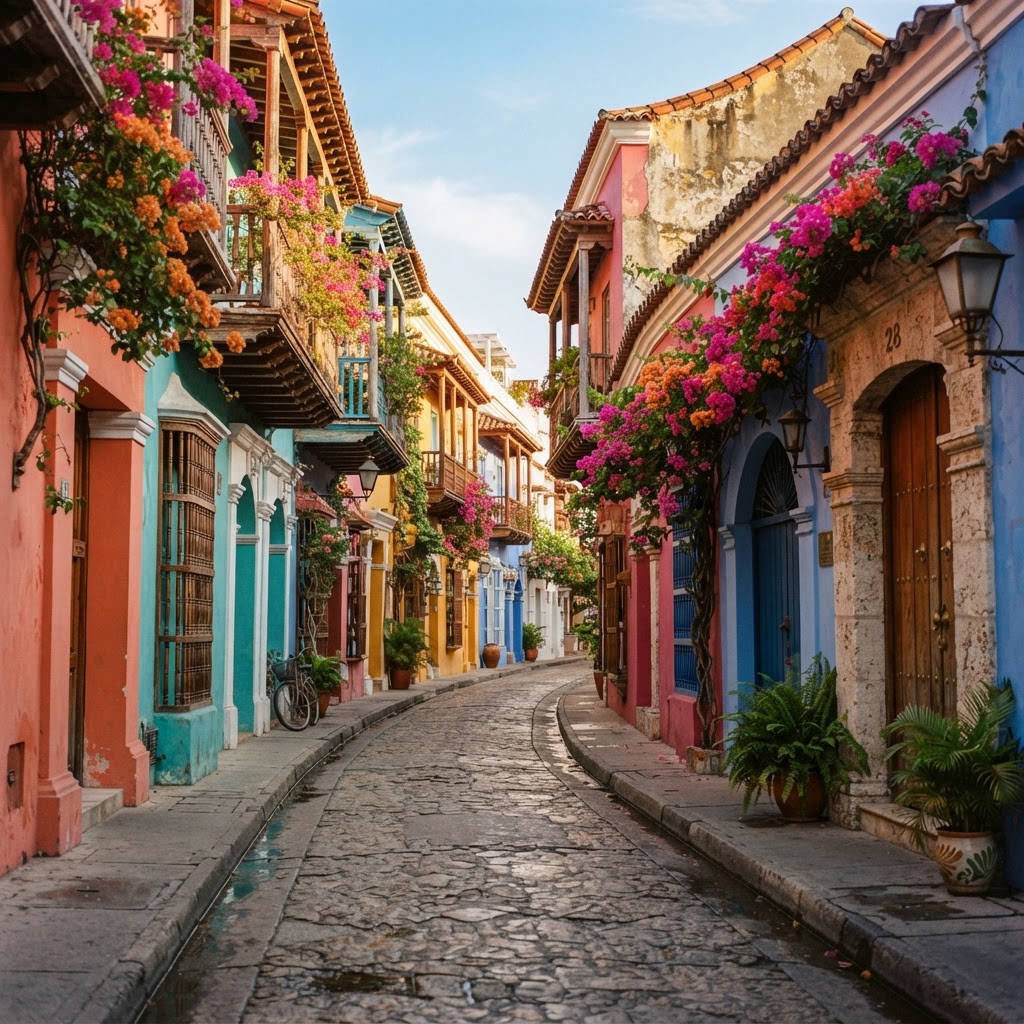
The most memorable travel moments are rarely the ones you planned. They are the wrong turn that led to a hidden café, the conversation that started with a shared glance, the festival you stumbled into by accident. These unplanned discoveries are what make travel transformative — and they require something that many itineraries do not allow: empty space.

Making time for unexpected discoveries is not about leaving your itinerary blank. It is about building in enough flexibility that when something interesting appears, you can follow it. The traveler whose schedule is packed has no room for serendipity. The traveler who leaves gaps creates the conditions for the experiences that no planning could have produced.

The best travel stories begin with a detour. The worst travel stories are the ones that never happened because there was no time.

Follow Your Curiosity

Unexpected discoveries begin with curiosity — the willingness to follow a question rather than a plan. What is down this street? What is that sound? Where are those people going? These impulses, followed, lead to the experiences that define a trip. They cannot be planned because they are responses to what is happening in the moment.

This requires a shift in how you think about travel. Instead of asking what you should see, ask what you are curious about. Instead of following a list, follow your attention. This approach does not guarantee great experiences — but it creates the conditions for them. And it is far more rewarding than executing a plan that someone else made.

The Art of the Detour

A detour is a deliberate deviation from your plan. It is not an accident — it is a choice to follow something interesting rather than something scheduled. The detour might be five minutes or five hours. It might lead to a dead end or to the best experience of your trip. The point is not the destination — it is the willingness to leave the planned path.

Detours require a particular mindset. You must be willing to be late, to miss something scheduled, to not know where you are going. This is uncomfortable for travelers who find security in planning. But the discomfort is the point — it is the feeling of being open to what the world offers, rather than closed in by what you have scheduled.

Planning creates the structure. The detour creates the story.

Protecting White Space

The practical key to unexpected discoveries is white space — time in your itinerary that is intentionally unscheduled. This is not wasted time. It is the time when serendipity happens. Build it into every day: an unscheduled afternoon, an open evening, a morning with no plan. This white space is what absorbs the delays, the discoveries, and the experiences that you could not have anticipated.

White space also creates rest. Travel is stimulating, and the constant input of new experiences can be exhausting. Time with no plan is time to process, to reflect, to recover. The traveler who fills every hour arrives home depleted. The traveler who leaves space arrives home enriched — not just by what they saw, but by what they experienced in the gaps between seeing.

Making time for unexpected discoveries is ultimately about trusting the journey. Planning is important — it creates the structure that makes travel possible. But the experiences that live in memory are the ones that happened in the spaces between the plan. Leave those spaces open, and the journey will fill them in ways no itinerary could have predicted.