
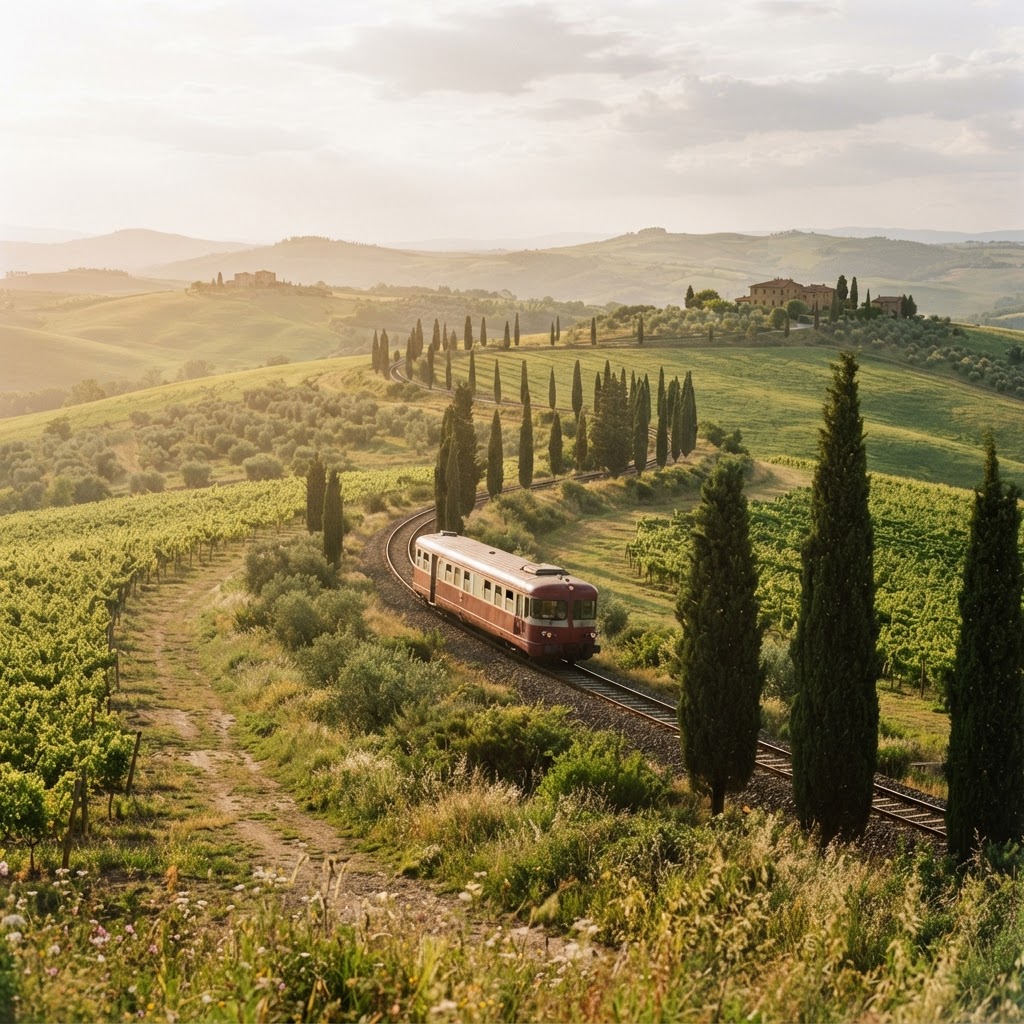
Two Philosophies of Travel
Slow travel and fast travel are not just different paces — they are different philosophies. Fast travel is about coverage: seeing as many places as possible, collecting experiences, maximizing the return on every travel day. Slow travel is about depth: staying longer in fewer places, engaging more deeply, and trading breadth for intimacy. Neither is objectively better. Each serves a different purpose at a different time in a traveler's life.
The mistake is not choosing one over the other — it is doing so without intention. Fast travel done deliberately can be exhilarating. Slow travel done mindlessly can be boring. The question is not which is better but which is right for you, right now.
Fast travel teaches you how much the world holds. Slow travel teaches you how much a single place holds.
The Case for Fast Travel
Fast travel has its virtues. It exposes you to diversity — different landscapes, cultures, cuisines, and rhythms in a compressed timeframe. It is ideal for the traveler with limited time who wants a broad overview of a region. It creates energy and momentum — the constant novelty of new places can be exhilarating.
Fast travel also has real costs. It is exhausting. The constant movement — packing, transit, check-in, unpacking — consumes time and energy that could be spent experiencing. It produces superficial impressions: you see many places but know none of them deeply. And it can blur together — after a week of city-hopping, the memories compress into an indistinguishable sequence of hotels and trains.
The Case for Slow Travel
Slow travel is the antidote to the coverage mentality. By staying longer in fewer places, you develop a relationship with a destination that a quick visit cannot provide. You find the rhythms of daily life. You return to places and see them change. You meet people and see them again. The destination becomes not a place you visited but a place you briefly lived.