
Vol. 1 · No. 37 · FreeSeptember 9

THE COUNTIO CHRONICLE

The World's Growing Library of Actionable Knowledge
Travel·Guide·Travel
Beginner7 min read

July 2026 · Volume 1 · Issue 29

Understanding Public Transportation Abroad

Public transportation is the fastest way to understand a city. Learn the system, navigate with confidence, and move like a local.

Published July 18, 2026
public transportationtransit tipscity traveltravel tips

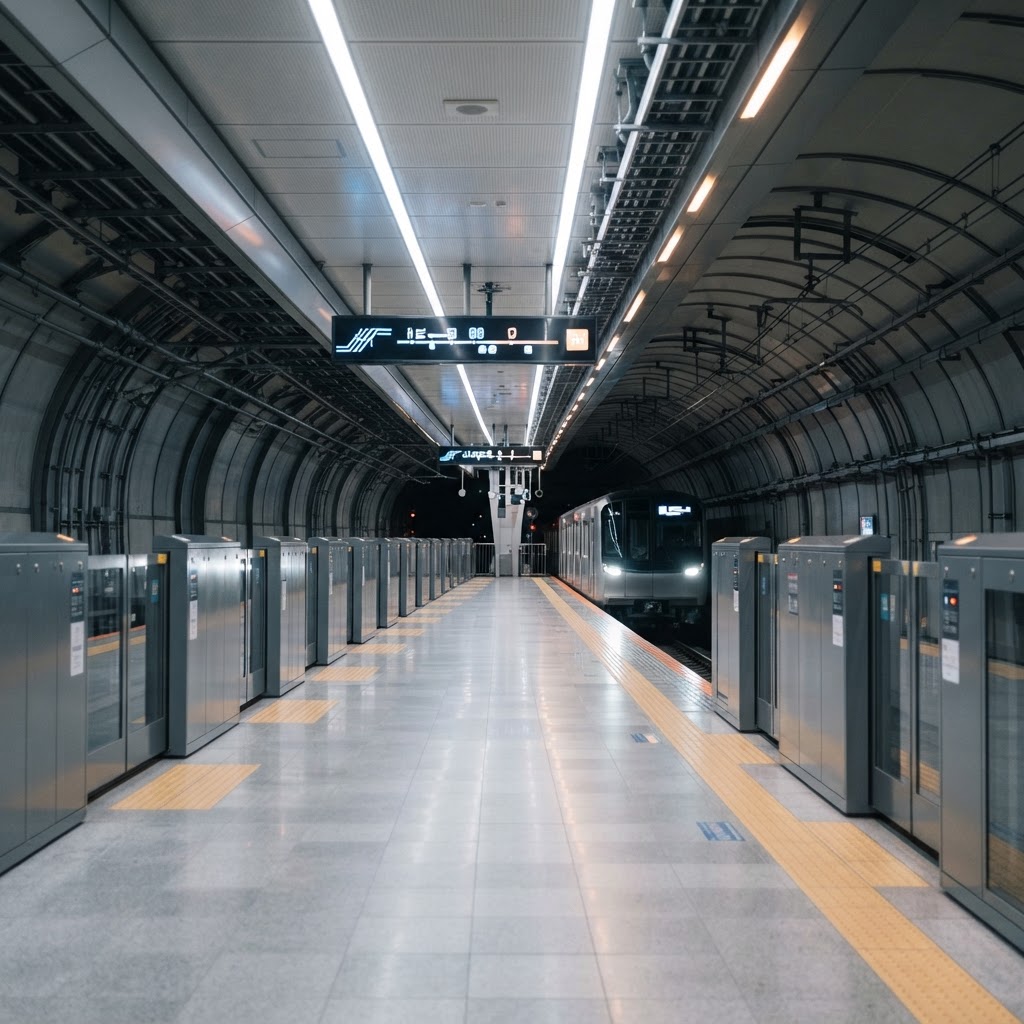
Public transportation is the circulatory system of a city. It is how locals move, and using it is the fastest way to understand a place. The traveler who only uses taxis sees a city as destinations. The traveler who uses the metro sees it as a living system.

Understanding Public Transportation Abroad

The Local's Advantage

Public transportation is the circulatory system of a city. It is how locals move, and using it is the fastest way to understand a place's geography, rhythm, and character. The traveler who only uses taxis or ride-shares sees a city as a series of destinations. The traveler who uses public transportation sees it as a connected, living system.

Navigating public transportation abroad can feel intimidating — unfamiliar routes, payment systems, and norms. But this intimidation is almost always unfounded. Public transportation systems, even in unfamiliar cities, follow predictable patterns. Understanding these patterns turns a source of anxiety into a tool for exploration.

The traveler who masters the metro sees a city no taxi can show them. The metro is where a city's daily life rides.

Learn the System

Before using a public transportation system, take ten minutes to understand it. What are the main lines or routes? How does payment work — single tickets, day passes, or reloadable cards? Where do you buy tickets? Are there apps that show real-time schedules? This basic research eliminates the confusion that makes the first ride stressful.

Most systems have route maps and apps available in English. Download the official transit app for your destination — it will show routes, schedules, and service disruptions. Have a backup plan in case your phone dies: carry a paper map or know the key stops. Technology makes transit easier, but understanding the system makes you self-sufficient.

Navigating With Confidence

Once you understand the system, using it is straightforward. Identify your starting point and destination on the route map. Determine which lines serve both and whether you need to transfer. Note the direction of travel — most systems use terminal stations to indicate direction. Board, ride, and exit at your stop.

Observe local norms. In some cities, passengers queue in orderly lines. In others, boarding is more fluid. Some systems prioritize letting passengers exit before boarding; others are more chaotic. Follow the locals — they know the unwritten rules that keep the system functioning. These small adaptations show respect and prevent the awkward moments that mark you as a confused tourist.

Public transportation is not just a way to get around. It is a way to see how a city lives.

Safety and Awareness

Public transportation is generally safe, but it requires the same situational awareness as any public space. Keep valuables secured and close to your body. Be aware of your surroundings, particularly in crowded cars or busy stations. Know your route before boarding so you are not distracted by your phone. Trust your instincts — if a situation feels uncomfortable, move to a different car or wait for the next train.

Also understand that public transportation is a shared space. It is where commuters go to work, students go to school, and residents go about their daily lives. Respect the space — keep your voice low, your bags contained, and your feet off the seats. These courtesies are universal, and following them marks you as a considerate traveler rather than a disruptive tourist.

Mastering public transportation abroad transforms your relationship with a city. You move like a local, see neighborhoods that tourists never reach, and experience the daily rhythm of urban life. It is one of the most practical skills a traveler can develop — and one of the most rewarding.