
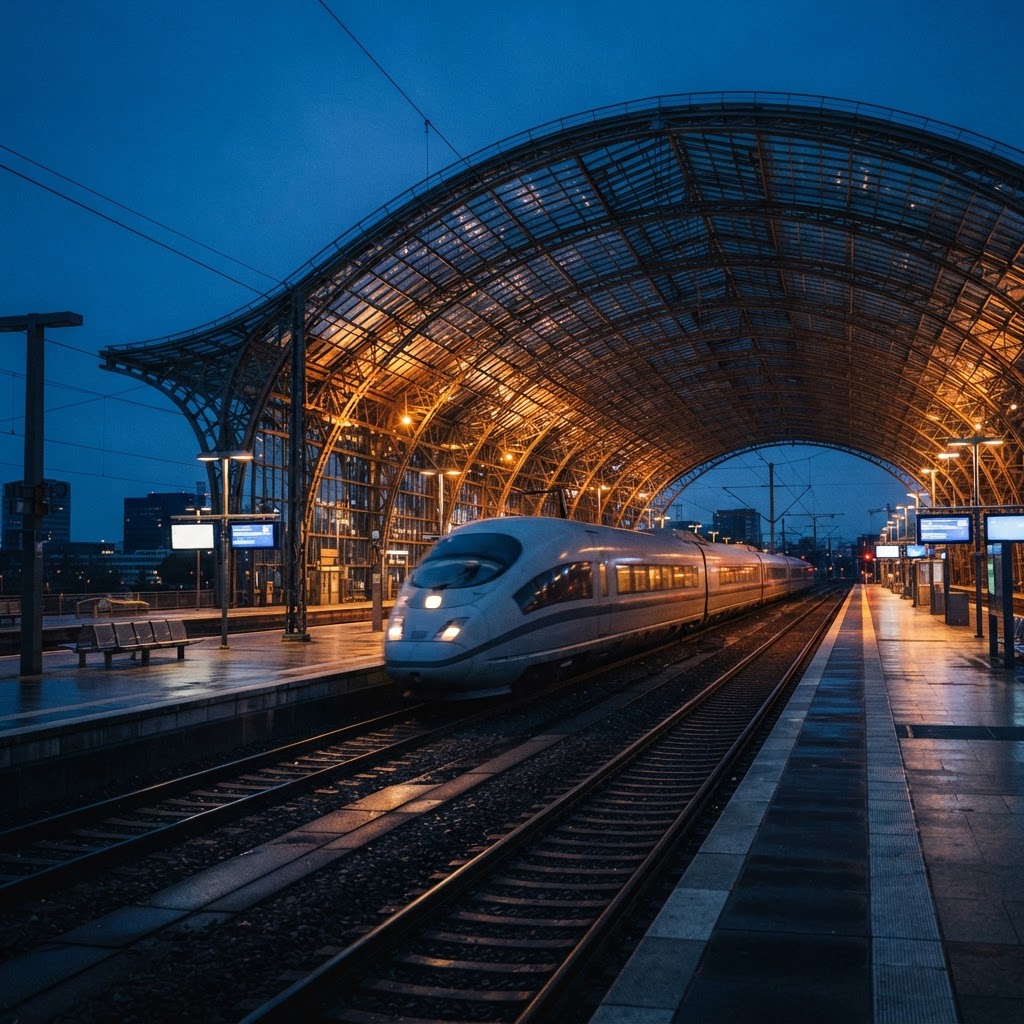
The Romantic and the Practical
Train travel occupies a unique place in the imagination. It evokes romance — the Orient Express, the Trans-Siberian, the night train to somewhere distant. This romance is real, but it coexists with practicality. Trains are often the most efficient, comfortable, and environmentally responsible way to travel between cities. Understanding how to use them well combines the romance with the practical.
Train travel differs from flying and driving in ways that matter. There is no airport security theater. There is no traffic. The stations are in city centers, not outskirts. The scenery is part of the experience, not something glimpsed from 35,000 feet. And the rhythm of train travel — boarding, settling, watching the world pass — is its own form of meditation.
A flight gets you there faster. A train gets you there differently. The difference is the experience.
Understanding the Systems
Rail systems vary significantly by country. Some have high-speed networks that connect major cities in hours. Others have regional systems that serve smaller towns. Some require reservations; others are first-come, first-served. Some have first and second class with meaningful differences; others have a single class. Understanding the system you are using is essential for a smooth journey.
Research ticket types before purchasing. Many systems offer advance fares that are significantly cheaper than same-day tickets. Others have rail passes that make sense for multi-trip itineraries. Understand the difference between reserved and unreserved seating, and whether your ticket includes a seat reservation or not. These details, understood in advance, prevent the confusion that turns a pleasant journey into a stressful one.