
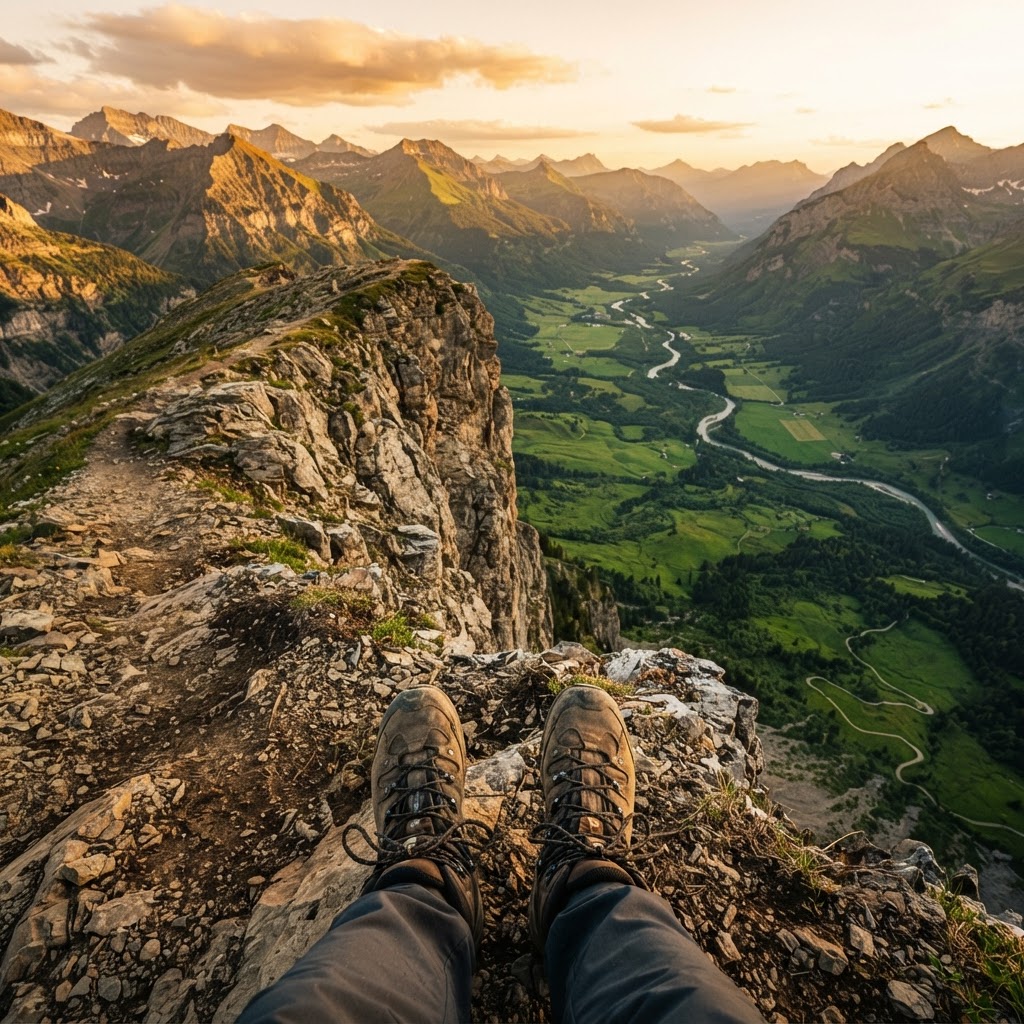
The Green Exercise Effect
The term green exercise refers to physical activity performed in natural environments, and the research on its effects is remarkably consistent. Compared to the same activity performed indoors, outdoor exercise produces greater reductions in stress hormones, larger improvements in mood, better restoration of attention, and higher self-reported feelings of energy and vitality. These effects are not marginal. Studies have shown that outdoor exercise can reduce perceived effort, making the same workout feel easier — which means people are likely to exercise longer and more intensely when outdoors, without feeling they are working harder. The environment, in other words, is not just a setting. It is a performance enhancer and a mental health intervention, delivered simultaneously with the physical benefits of exercise.
A walk in the park is not the same as a walk on a treadmill. The treadmill moves the body. The park moves the body and restores the mind.
Vitamin D and Daylight
Outdoor activity provides exposure to daylight, which serves two critical functions. First, daylight exposure — particularly morning daylight — synchronizes the circadian rhythm, improving sleep quality, mood, and daytime alertness. Indoor exercise, particularly early or late in the day under artificial light, does not provide this benefit. Second, sunlight exposure enables the synthesis of vitamin D, a nutrient that is deficient in a large portion of the population and is essential for bone health, immune function, and mental wellbeing. While vitamin D can be supplemented, sunlight remains the most efficient source, and outdoor activity is the most natural way to obtain it. The benefits of daylight are not a side benefit of outdoor exercise. They are a core component of its health value.
The Activities That Work
Nearly any exercise can be performed outdoors, but certain activities are particularly well-suited to the outdoor environment and its benefits. Hiking provides the combination of cardiovascular exercise, varied terrain, natural beauty, and the mental restoration of being in nature. Walking — in parks, on trails, or even in urban green spaces — delivers the green exercise effect with minimal barrier to entry. Cycling combines transportation, exercise, and outdoor exposure. Outdoor swimming, running, and group sports all deliver the physical benefits of exercise along with the environmental benefits of being outside. The specific activity matters less than the fact of doing it outdoors. The key is finding an outdoor activity that is enjoyable enough to repeat — because, as with all exercise, consistency is what produces results.