
Food Is the Fastest Path to Culture
Food is the most accessible entry point into a culture. You can visit museums, walk historic sites, and attend cultural performances, but nothing connects you to a place and its people faster than eating what they eat. Food is daily life made tangible. It carries history, geography, values, and identity in every bite. The traveler who engages with food engages with the culture at its most fundamental level.
Food adventures are not about exoticism or bragging rights. They are about curiosity — the willingness to try what is local, to understand what is being served, and to appreciate the stories behind the dishes. This curiosity opens doors that remain closed to travelers who seek familiar food in unfamiliar places.
You can learn more about a culture from one market visit than from three museums. Food is where daily life, history, and identity meet.
Eat Where Locals Eat
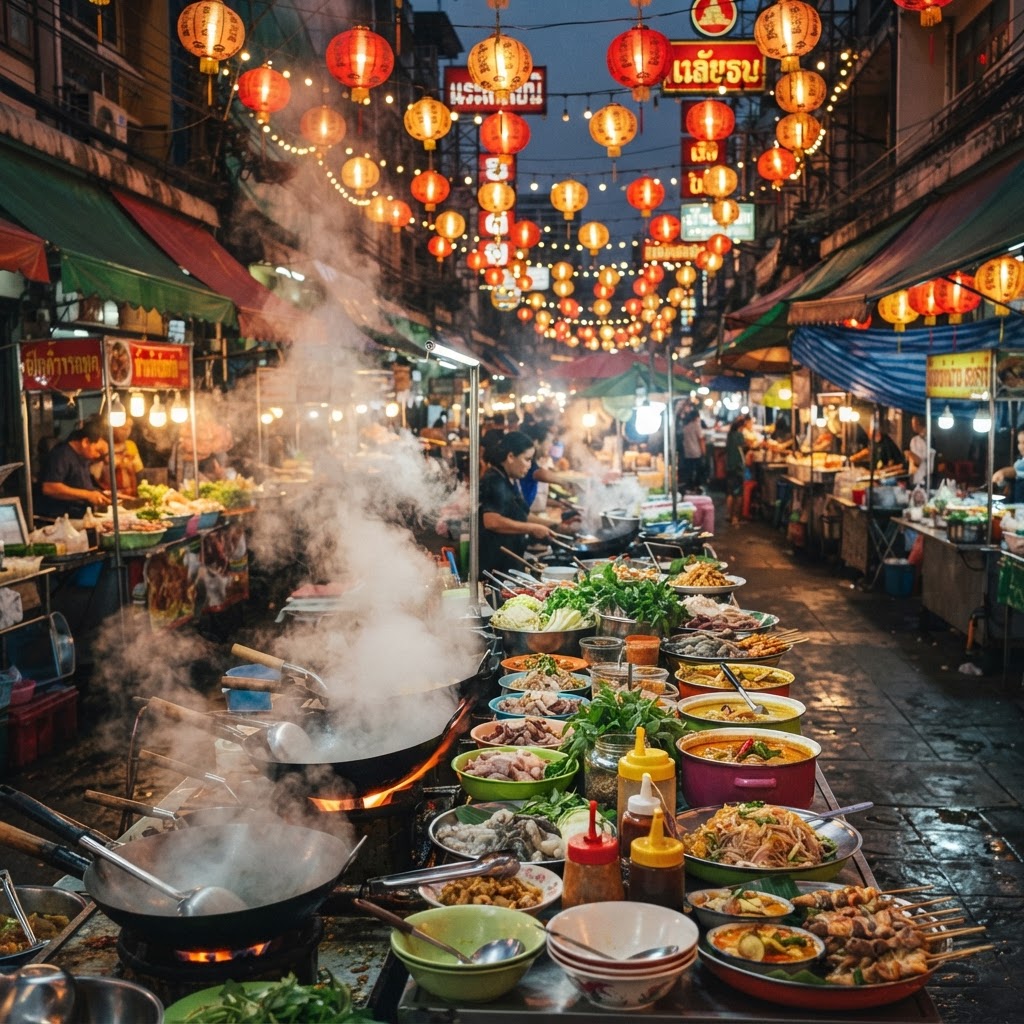
The best food in any destination is rarely at the restaurant with the English menu and the photographs. It is at the stall where the line is longest, the restaurant where no one is speaking English, the market where ingredients are sold rather than dishes. These are the places where food is made for people who care about taste, not for tourists who care about photos.
Follow the locals. A crowd of residents at lunchtime is a more reliable indicator of quality than any review. A market busy with shoppers is a market worth exploring. A restaurant where the cook knows the regulars is a restaurant that cares about its food. These signals are universal — they work in Bangkok, in Oaxaca, in Marrakech, in Bologna.
Understand Before You Judge
Every cuisine has dishes that seem strange to outsiders. Fermented fish, organ meats, insects, gelatinous textures. The instinctive reaction is often distaste, but this reaction closes doors that curiosity would open. Before judging a dish, understand it. What is its history? What role does it play in the culture? What does it taste like when approached without prejudice?