
The Simple Principles
Despite the noise, the core principles of healthy eating have not changed in decades. Eat mostly whole foods — foods that look approximately as they did in nature. Prioritize vegetables and fruits. Include adequate protein. Choose whole grains over refined. Favor healthy fats — olive oil, nuts, avocados, fish. Limit heavily processed foods, added sugars, and excessive alcohol. That is it. Not a diet. Not a protocol. A pattern. The specific foods within this pattern can vary endlessly based on preference, culture, budget, and availability. The principles remain.
You do not need to eat perfectly. You need to eat well most of the time, for the rest of your life.
The Problem with Rules
Diets built on rigid rules — no carbs, no sugar, no dairy, no eating after eight — are effective in the short term and unsustainable in the long term. They fail because they are binary: you are either on the diet or off it. The moment you break a rule, the diet is over, and the inevitable cascade of guilt, abandonment, and restart begins. A sustainable approach has no rules. It has defaults — foods you eat most of the time because they are available, enjoyable, and nourishing. Defaults allow for flexibility, indulgence, and the natural variability of real life without the collapse that rules produce.
Cooking as a Foundation
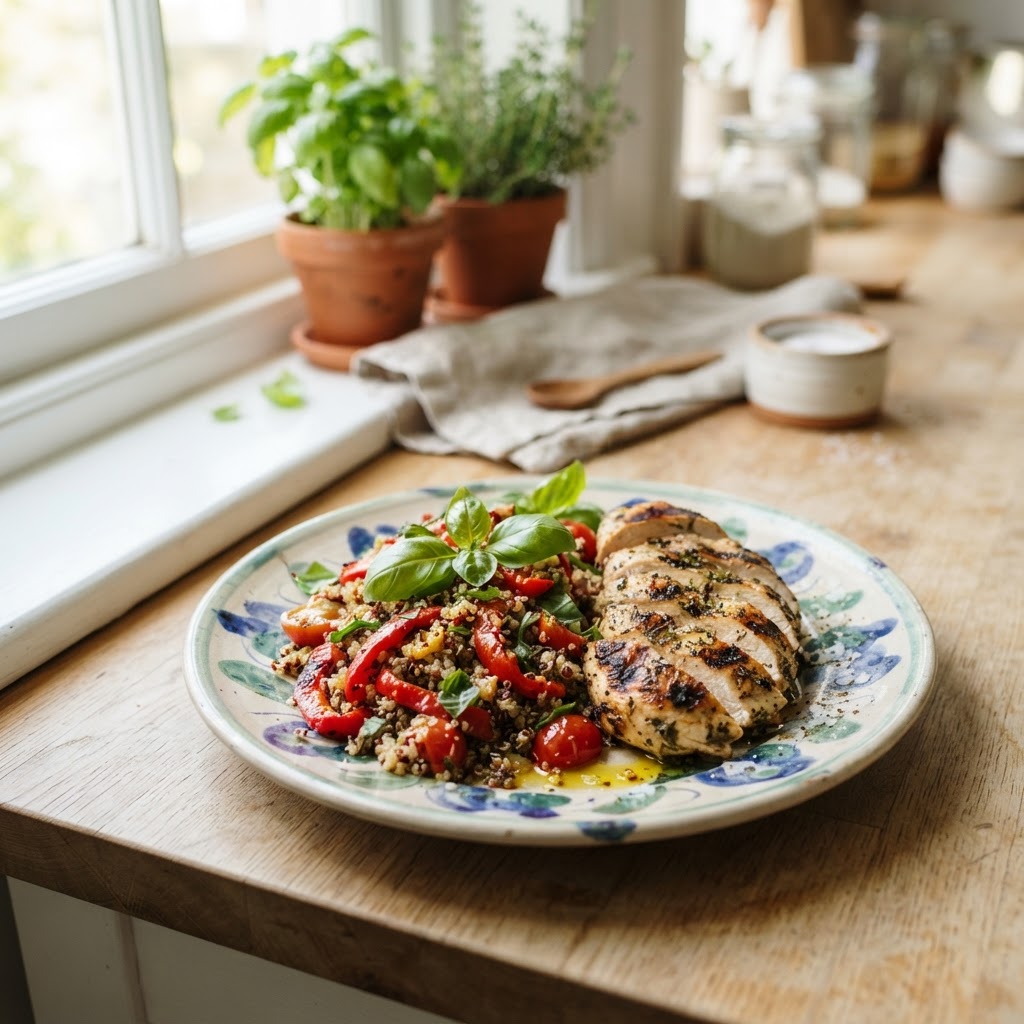
The single most effective thing you can do for your nutrition is to cook more of your own food. When you cook, you control the ingredients, the portions, and the quality. Restaurant and processed foods are engineered for palatability, not health — high in salt, sugar, and unhealthy fats. Cooking does not need to be elaborate. Simple meals — a protein, a vegetable, a grain — prepared at home, are consistently healthier than almost anything you can buy. The habit of cooking, more than any specific recipe or ingredient, is the foundation of eating well.