
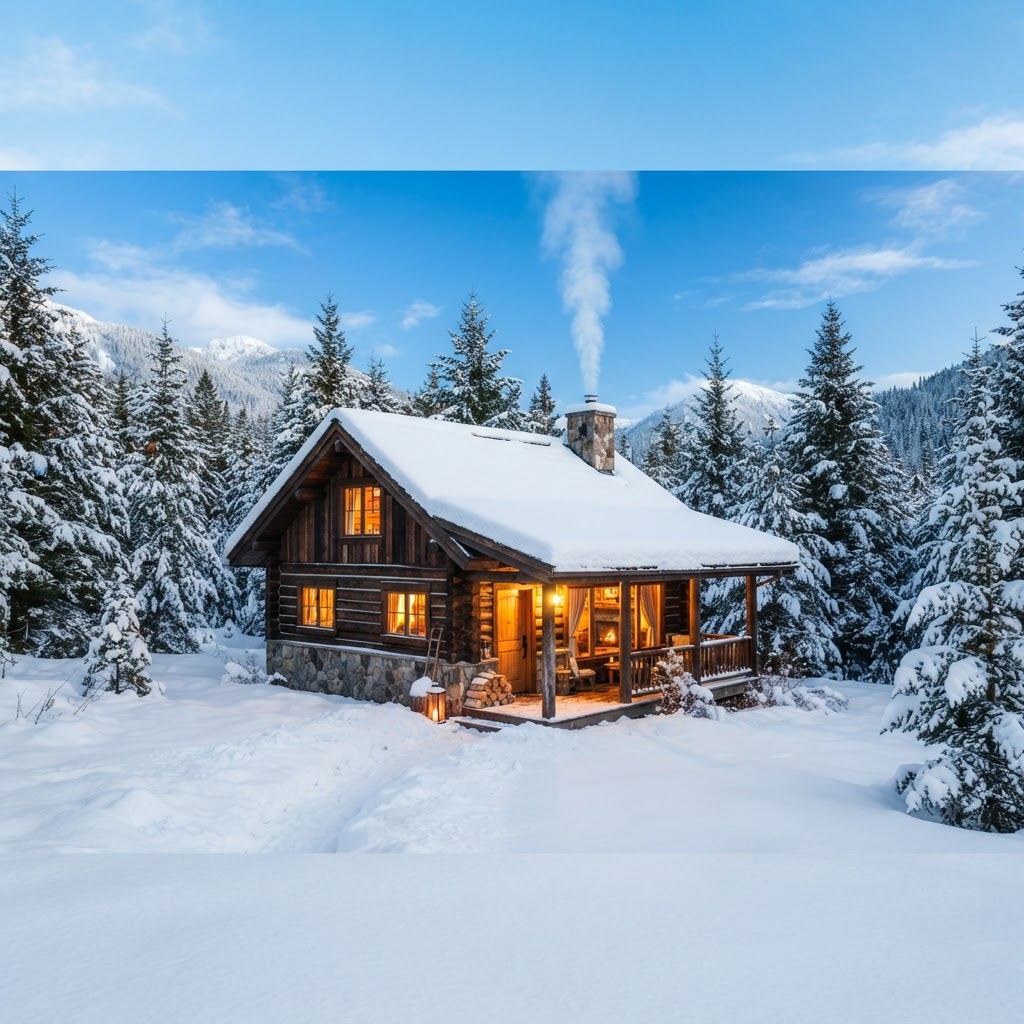
The Home
Winter preparedness begins with the home. The heating system, the insulation, the emergency supplies — these are the physical preparations that make the difference between a warm, comfortable winter and a cold, stressful one. The home that is prepared is a refuge. The home that is not is a source of stress.
The Body
Winter also tests the body. The colder weather, the shorter days, the reduced sunlight — these affect energy, mood, and health. The prepared person adjusts: the diet shifts to warming foods, the exercise moves indoors, the sleep schedule adjusts to the longer nights. The adjustments, made proactively, maintain the health and energy that winter would otherwise deplete.
The Mind
Finally, winter tests the mind. The season can produce isolation, lethargy, and the low-grade melancholy that the shorter days and colder weather produce. The prepared person anticipates this and builds in the countermeasures — social connection, meaningful indoor projects, the practices that maintain mood and motivation. Winter, prepared for, is not a season to endure. It is a season of its own kind of richness — the warmth, the reflection, the projects that the busier seasons do not allow. The preparedness is what makes the richness accessible.