
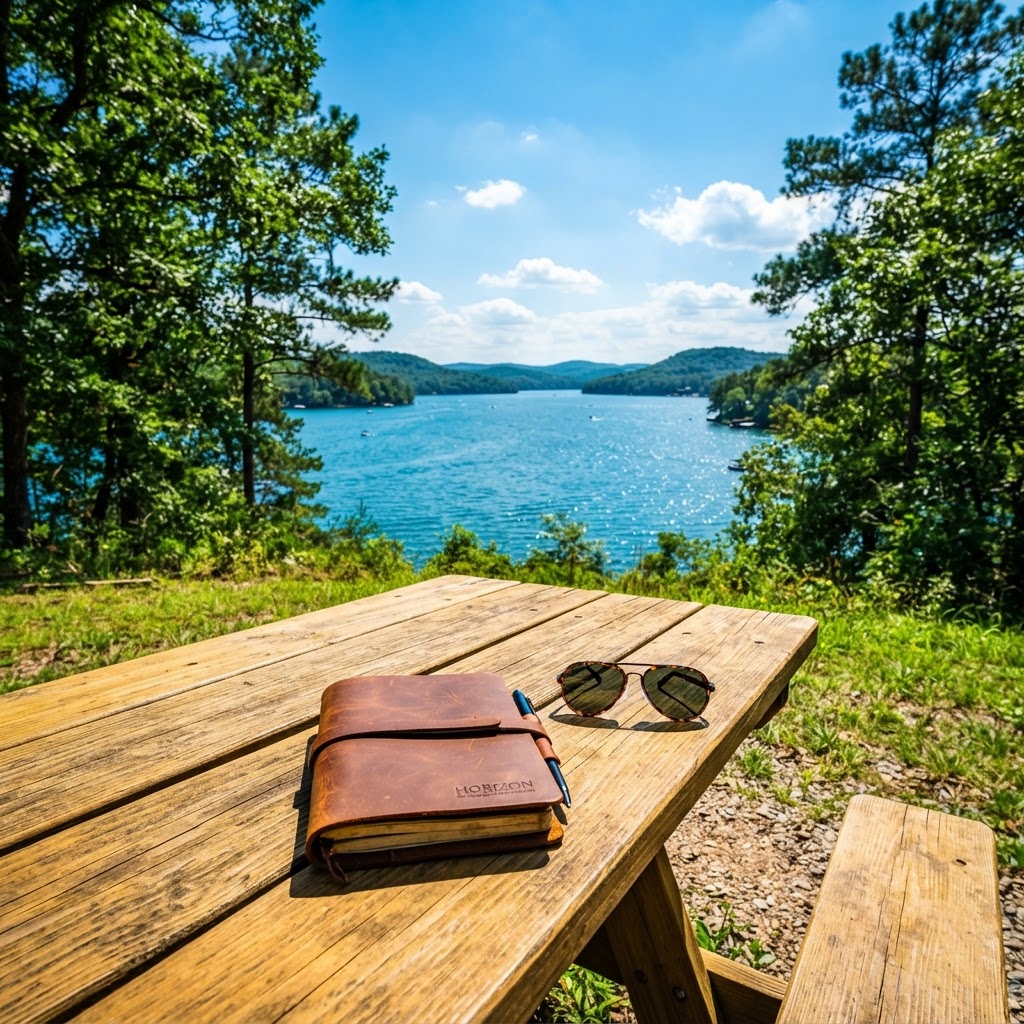
The Summer Advantage
Summer offers something that no other season does: time. The longer days provide more usable hours, and the slower pace provides more mental space. This combination makes summer the ideal time for the kind of planning that gets neglected during the busier months — the strategic thinking, the project initiation, the goal-setting that requires space and energy.
What to Plan
Summer planning should focus on three areas: experiences, projects, and goals. Experiences — the trips, the adventures, the time with people — should be planned deliberately, because the unplanned summer often passes without the experiences that make it memorable. Projects — the home improvements, the creative work, the personal initiatives — benefit from the summer's expanded time. Goals — the quarterly objectives, the habit changes, the skill development — can be initiated in summer and sustained into autumn.
The Balance
The key to summer planning is balance. The plan should create structure without eliminating the spontaneity that makes summer enjoyable. Plan the big things — the trips, the projects, the goals — and leave room for the unplanned moments. The summer that is fully planned feels like work. The summer that is fully unplanned feels wasted. The balance is the art, and the art, once found, makes summer both productive and restorative.