
Why this matters more than you think
In the days and weeks after a loss, you will be asked for documents repeatedly — by funeral homes, banks, insurance companies, government offices, and attorneys. Having them gathered in one place saves time, reduces stress, and prevents the sinking feeling of searching for something you cannot find while under pressure.
You do not need to do this all at once. But starting early, even with a single folder, makes everything that follows easier.
What to look for
The documents most often needed after a death fall into a few categories:
Legal documents: Will, trust documents, power of attorney, birth certificate, marriage certificate, divorce decree, military discharge papers (DD-214).
Financial documents: Bank statements, investment accounts, retirement account statements, life insurance policies, tax returns from recent years, mortgage or property documents, vehicle titles.
Personal documents: Social Security card, passport, driver's license, pre-planned funeral arrangements, organ donor registration.
Digital information: A list of online accounts, passwords (if shared), email access, social media account information.
Where to look
Documents are often in places that made sense to the person who kept them but may not be obvious to you. Check:
- Filing cabinets and desk drawers — the obvious places, but check thoroughly.
- A safe deposit box at the bank — if you know one exists, you will need a key and possibly a court order to access it.
- A home safe or lockbox.
- Digital files — check email, cloud storage, and password managers.
- With an attorney, financial advisor, or accountant who may hold original documents.
How to organize what you find
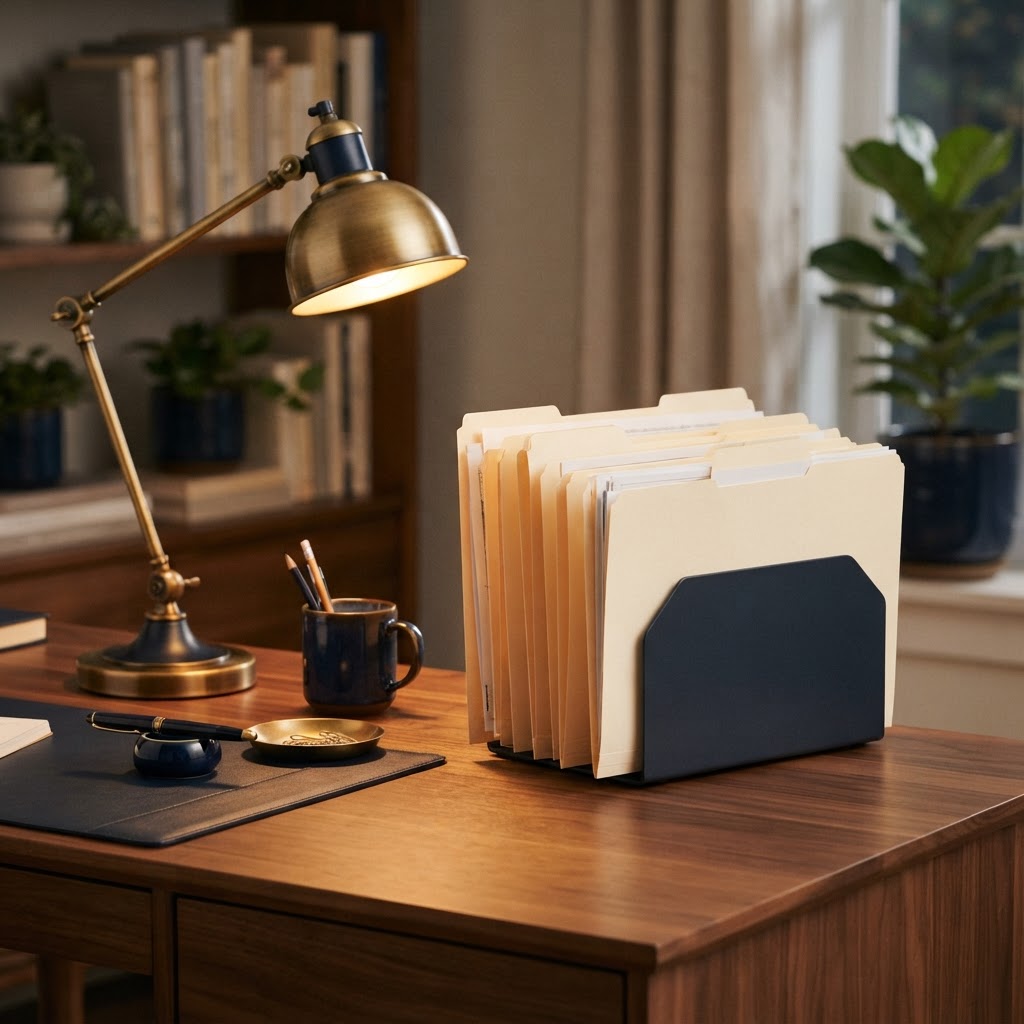
As you gather documents, sort them into categories. You do not need a complex system — simple folders or envelopes labeled by category are enough. Make copies of everything important, and keep the originals in a safe place.