
Travel Begins in the Mind
The common conception of a trip begins at departure — the moment you leave home, board the plane, and arrive at your destination. But this is a narrow understanding. Great trips begin long before departure. They begin in the imagination, in the research, in the anticipation. They begin in the weeks and months of preparation that shape not just the logistics but the experience itself.
The traveler who treats preparation as a chore — something to get through before the real experience begins — misses one of the most rewarding phases of travel. The traveler who engages with preparation as part of the journey arrives with context, with curiosity, and with a depth of experience that no last-minute booker can replicate. Preparation is not the prelude to travel. It is the first act.
Anticipation is not waiting for the trip to begin. It is the trip beginning — in the mind, in the imagination, in the choices that shape the journey.
The Joy of Anticipation
Research shows that anticipation is often more pleasurable than the experience itself. The planning phase — imagining the places you will see, the foods you will taste, the experiences you will have — produces a sustained joy that the trip, with its realities and imperfections, cannot always match. This is not a reason to avoid the trip. It is a reason to savor the anticipation.
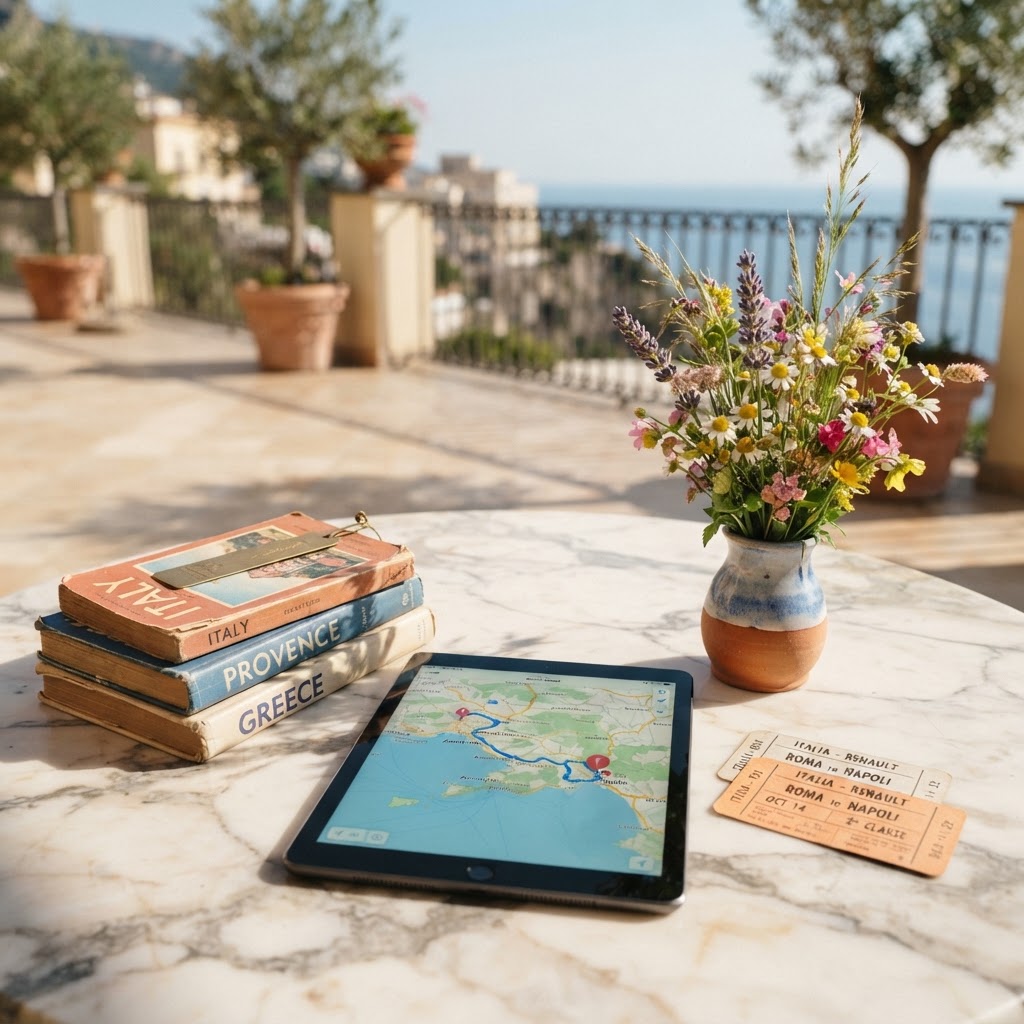
Engage with preparation as an experience, not a task. Read about the history and culture of your destination. Look at maps and imagine walking the streets. Watch films set in the place you are visiting. Try cooking a local dish. These activities extend the trip backward in time, allowing you to experience the destination before you even arrive. The traveler who does this arrives with a relationship to the place that the unprepared traveler cannot match.
Preparation Creates Depth
Preparation is not just about anticipation — it is about depth. The traveler who arrives with no context sees a city as a collection of streets and buildings. The traveler who arrives with understanding sees a city as a living system, with history, culture, and meaning layered beneath the surface. The same street, the same building, the same meal is a different experience depending on the context the traveler brings to it.