
Vol. 1 · No. 37 · FreeSeptember 9

THE COUNTIO CHRONICLE

The World's Growing Library of Actionable Knowledge
Health & Wellness·Editorial·Home Ownership
Beginner8 min read

Creating a Healthy Home Environment

Your home is not just where you live. It is the environment that shapes your sleep, your eating, your movement, and your stress — every single day.

Published July 18, 2026
home environmenthealthy homewellnessliving spacehealth

The home is the most overlooked determinant of health. Not because it is unimportant — it is arguably the most important — but because it is so familiar that it becomes invisible. The layout of your kitchen determines what you eat. The quality of your bedroom determines how you sleep. The light in your living spaces determines your circadian rhythm. The air quality, the clutter, the noise, the temperature, the presence or absence of plants, natural light, and space for movement — all of these shape your physical and mental health, not occasionally but continuously, every hour of every day. A healthy home is not one that is renovated or expensive. It is one that has been intentionally designed — in small, practical ways — to support the health of the people who live in it.

Creating a Healthy Home Environment

The Kitchen Shapes the Diet

The architecture of your kitchen is a dietary intervention. What is visible and accessible gets eaten; what is hidden or difficult does not. A bowl of fruit on the counter is eaten. Chips in the back of a high cabinet are not. A kitchen that makes cooking easy — with accessible tools, visible ingredients, and a clear workspace — produces more home-cooked meals. A kitchen that is cluttered, disorganized, or lacking in basic tools drives the default toward takeout and processed food. The single most effective dietary change available to most people is not a new diet. It is a reorganized kitchen — one that makes the healthy choice visible, accessible, and easy, and the unhealthy choice less so.

Your home is not a backdrop for your health. It is an active participant in it. Design it accordingly.

The Bedroom Shapes the Sleep

Sleep is the most important health practice, and the bedroom is its environment. A bedroom that is cool, dark, and quiet produces better sleep than one that is warm, light, or noisy. The presence of screens — televisions, phones, laptops — in the bedroom is one of the most reliable predictors of poor sleep quality, not because of the light alone but because they associate the bedroom with wakefulness and stimulation. A bedroom that is reserved for sleep — free of work, screens, and clutter — signals to the brain that this is a space for rest. The investment in a good mattress, blackout curtains, and a cool temperature is not a luxury. It is a health intervention that pays dividends every night for decades.

Light and Air

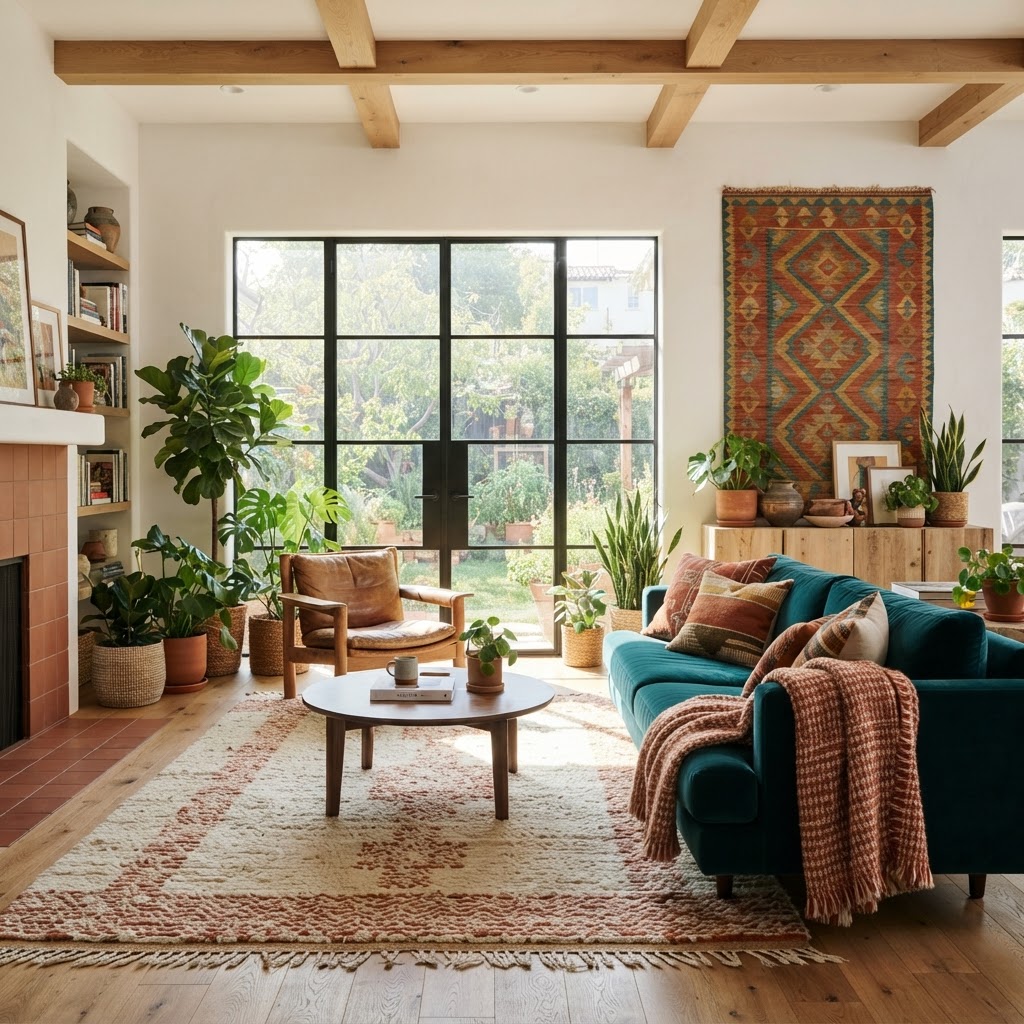
Natural light is not just pleasant. It is the primary signal that synchronizes the body's circadian rhythm. A home that maximizes natural daylight exposure — through window placement, unobstructed glass, and time spent near windows — produces better sleep, mood, and daytime alertness. A home that is dark during the day and artificially lit in the evening inverts this signal. Similarly, air quality matters. Indoor air can be more polluted than outdoor air, particularly in homes with poor ventilation, synthetic materials, or cooking without extraction. Opening windows regularly, using air purifiers if needed, and incorporating plants — which modestly improve air quality — are simple interventions that affect the air you breathe for hours every day.

Space for Movement

A home that has space for movement — a clear floor area for stretching, a corner for a yoga mat, a place for a few weights or a bike trainer — makes exercise accessible in a way that requiring a trip to the gym does not. The barrier to exercise is often not motivation but friction. A home that reduces that friction — by having a visible, accessible space for movement — makes exercise more likely. This does not require a home gym. It requires a dedicated corner, kept clear, where movement is invited. The home that has space for movement produces more movement. The home that does not, does not.

The Calm Environment

Beyond the physical, the home shapes mental health through its atmosphere. Clutter has been shown to increase stress and reduce the ability to focus. Noise — from traffic, neighbors, or appliances — elevates stress hormones. A home that is organized, quiet, and visually calm provides a daily environment that supports mental recovery rather than demanding it. This is not about interior design or expense. It is about intention — the choice to create, within whatever space and budget you have, an environment that restores rather than depletes. The home is where you recover from the world. It should be designed to do so.

Your home is your most consistent health environment. You spend more time in it than anywhere else. The small, intentional changes you make to its design — the accessible kitchen, the dark bedroom, the natural light, the air quality, the space for movement, the calm atmosphere — are not minor. They are the architecture of your daily health. Design them well.

Continue Your Planning