
Vol. 1 · No. 35 · FreeAugust 28

THE COUNTIO CHRONICLE

The World's Growing Library of Actionable Knowledge
Travel·Guide·Travel
Beginner7 min read

July 2026 · Volume 1 · Issue 29

Border Crossings Explained

Border crossings are a routine procedure, not an interrogation. Learn the process, prepare documents, and approach immigration with confidence.

Published July 18, 2026
border crossingimmigrationtravel documentsinternational travel

Border crossings are a routine part of international travel, yet they remain a source of anxiety. This anxiety comes from uncertainty — not knowing what to expect or what questions will be asked. Understanding the process demystifies it. A border crossing is a procedure, not an interrogation, and it becomes stressful only when you are unprepared.

Border Crossings Explained

Crossing Borders Is a Process

Border crossings are a fact of international travel, yet they remain a source of anxiety for many travelers. This anxiety comes from uncertainty — not knowing what to expect, what documents are needed, or what questions will be asked. Understanding the process demystifies it. A border crossing is not an interrogation; it is a routine procedure that becomes stressful only when you are unprepared.

The key principle is that every border crossing follows a predictable process: present documents, answer questions, receive entry approval. The specifics vary by country, but the structure is consistent. Understanding this structure, and preparing for it, turns the border from a barrier into a checkpoint.

A border crossing is not a test of your worthiness. It is a procedure. Approach it as a procedure, and it becomes routine.

Documents and Preparation

Before reaching any border, ensure your documents are in order. Your passport must be valid for at least six months beyond your planned stay. Any required visas must be obtained in advance. Have proof of onward travel — a return ticket or a ticket to a next destination — readily accessible. Have your accommodation address available for immigration forms.

Research specific requirements for the country you are entering. Some require proof of sufficient funds. Some require specific vaccinations. Some require visas even for short stays. Others offer visa-free entry or visas on arrival. Knowing what is required prevents the delays and complications that arise from missing documentation.

At the Border

When you reach immigration, have your documents ready. Passport open to the photo page. Any forms completed. Boarding passes or onward tickets accessible. Being organized signals that you are a prepared traveler, which makes the interaction smoother for both you and the officer.

Answer questions honestly and concisely. Immigration officers typically ask about the purpose of your visit, duration of stay, and where you will be staying. Have clear, simple answers prepared. Do not volunteer information that is not asked for, but do not be evasive. The goal is to demonstrate that you are a legitimate visitor with clear intentions and the means to support yourself.

The officer is not your adversary. They are doing a job. Help them do it efficiently, and the process moves quickly.

Land Borders and Special Cases

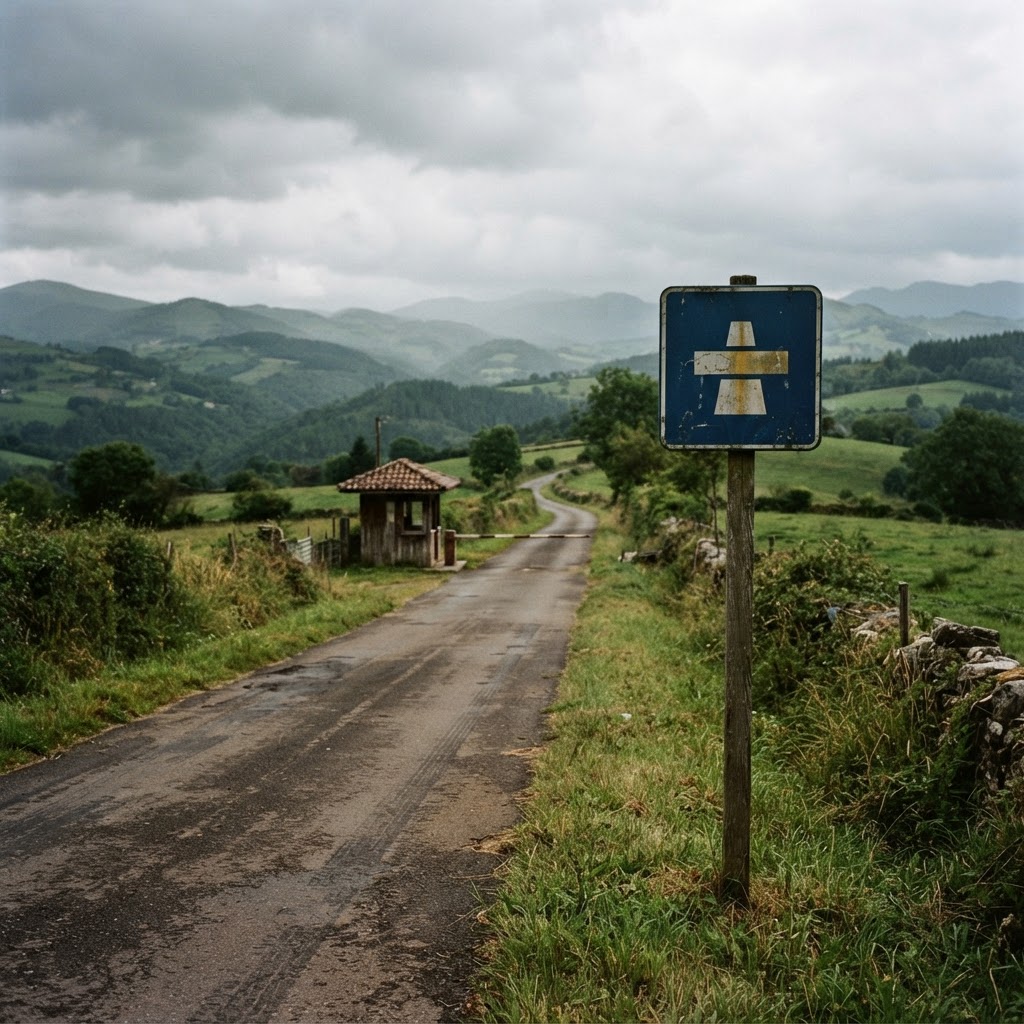
Land border crossings can differ from airport crossings. They may be less formal, with fewer facilities and less clear procedures. They may involve additional steps — vehicle inspections, customs checks, or health screenings. Research what to expect at specific land borders before you reach them.

Some borders have special considerations. Certain nationalities face different requirements or restrictions. Political situations can affect border procedures. Some borders are closed on certain days or have limited hours. Research current conditions, particularly for less-traveled or politically sensitive borders. Information from official government sources is more reliable than anecdotal reports.

Border crossings, properly understood and prepared for, are a routine part of international travel. They are not obstacles but checkpoints — procedures that, when approached with preparation and patience, take minutes rather than causing stress. Prepare your documents, know what to expect, answer honestly, and the border becomes what it should be: a line you cross on your way to the experience beyond it.